
If the loneliness is about not feeling known or having nobody to talk to.
Being around people is not the same as having somebody who knows your life. You can have colleagues, family or group chats and still feel as though there is nobody you would naturally call after a difficult day.
Start by working out whether you lack close friendship, honest conversation, emotional connection inside a relationship or a wider support network. The right next step changes depending on the missing layer.
If certain times or places make the loneliness much worse.
Night, weekends and living alone can expose a social gap that daytime structure hides. Working from home can create a similar problem by removing dozens of tiny interactions that used to happen automatically.
The practical response is usually not to fill every hour. It is to create recurring anchors before the difficult window arrives and give the outside world a reliable place in your week.
If friendship itself has started to feel like evidence that you do not belong.
Being left out, seeing established groups everywhere or having a small network can make every slow reply and cancelled plan feel much bigger than the event itself. Loneliness raises the stakes because fewer other relationships balance the disappointment.
Look at patterns rather than one moment, communicate directly where the friendship matters and build more than one route to belonging so a single group does not control your whole social life.
If a life transition removed the social structure you used to rely on.
Graduation, a breakup or friends moving into serious relationships can change your social world without anybody deliberately rejecting you. Shared housing disappears, couple schedules take over and the routines that used to create contact stop happening automatically.
Keep the old relationships that still work while building local, recurring connection around the life you have now. A new adult social structure usually has to be created more deliberately than the one you had before.
If you want connection but feel too drained, rusty or far behind to start.
Wanting friends and feeling exhausted by socialising can exist at the same time. After isolation, ordinary conversation can also feel less automatic than it used to.
Lower the difficulty rather than waiting for perfect confidence: short plans, recurring online contact, familiar gaming sessions, the same class or group, and small invitations that can happen again. Your first signs of progress are familiar names and repeated conversations, not instant best friends.
Products can support a routine. They cannot solve a people problem.
Selected guides include affiliate recommendations only when a product genuinely supports one practical part of the advice: a reflective book, a boundary resource or something that helps structure a difficult evening. The recommendation is secondary to the answer.
Pages where the real need is human support, relationship safety or rebuilding a network deliberately stay product-free. Lifted Spirits earns trust and conversions by solving the visitor's problem first, not by forcing a shopping link into every article.
Where community fits — and where professional support needs to take over.
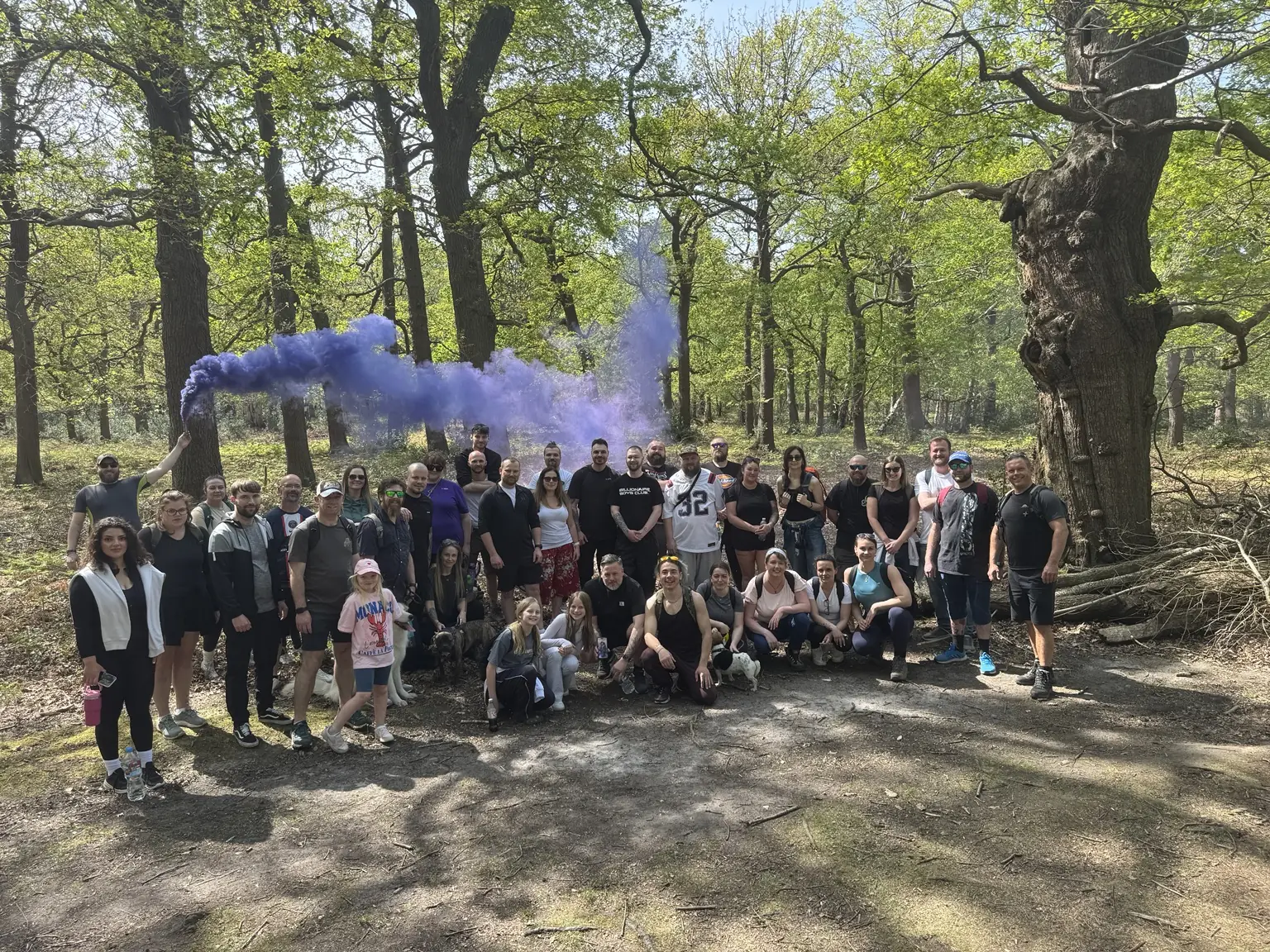
Lifted Spirits is an 18+ friendship and peer-support community. It can create ordinary connection, shared activity and people who understand difficult periods. It does not diagnose or treat depression, anxiety or any other mental health condition, and it is not an emergency service.
NHS Every Mind Matters provides current guidance on loneliness and the NHS mental-health service explains routes to professional help. Community and healthcare can sit alongside each other without pretending they do the same job.