
Recognise that graduation removes repeated contact, not just a place.
At university you can see friends without planning weeks ahead. After graduation, living arrangements and work schedules spread people out. The same friendships can therefore feel much quieter even when nobody has fallen out.
Understanding the structural change helps you stop reading every reduction in contact as rejection.
Keep the university friendships that still work in their new form.
Some friendships survive through fewer but more intentional calls, visits, trips or group messages. Others fade naturally. You do not need every old relationship to stay identical for it to remain meaningful.
Choose the people you genuinely want in your life and create a realistic rhythm rather than relying on spontaneous contact that distance no longer allows.
Build a local social layer that belongs to your adult life now.
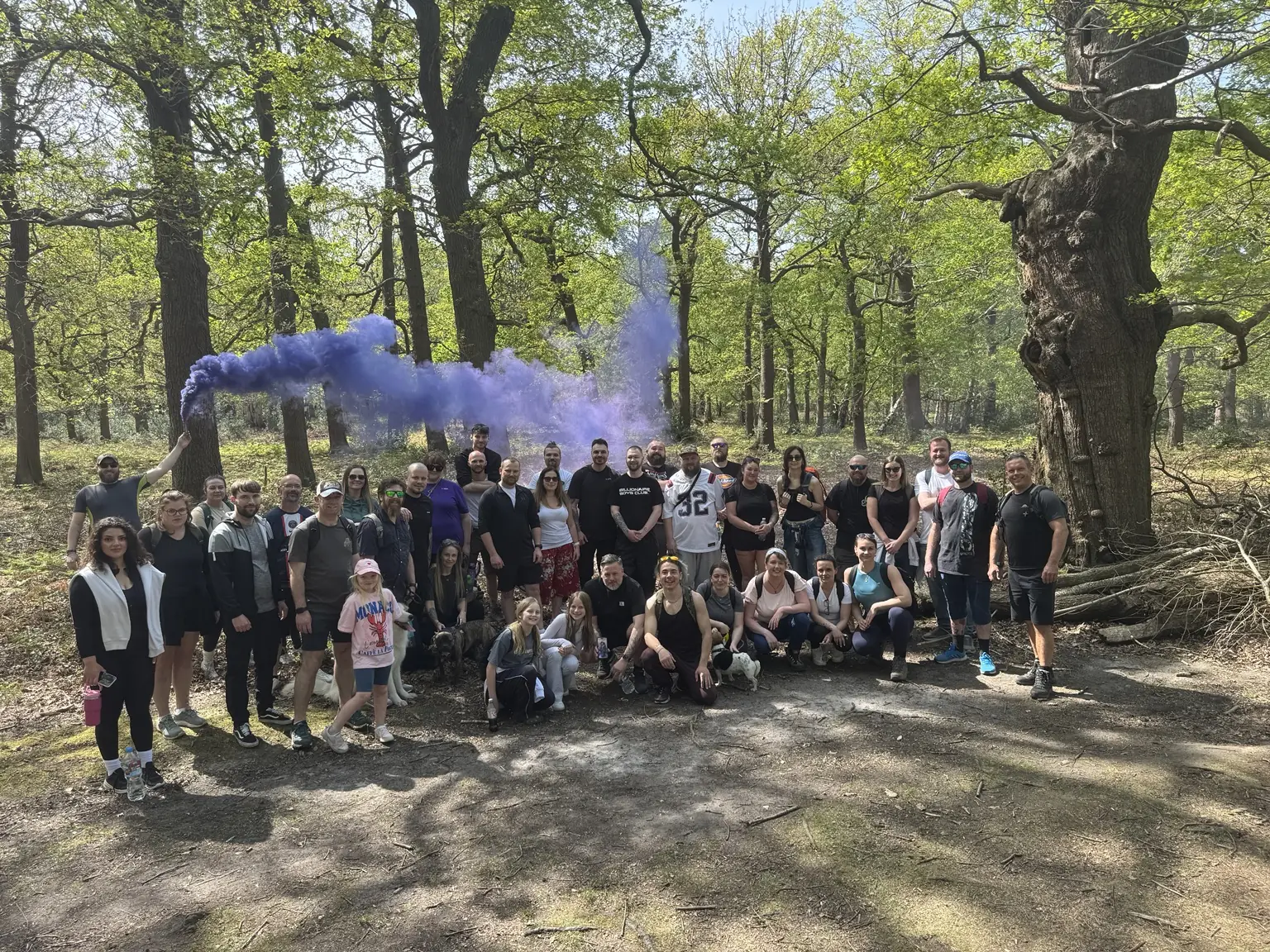
A new job may provide colleagues but not automatic friendship. Add environments based on your interests: sport, gaming, classes, volunteering, walking groups, local communities or regular events.
The key feature is repetition. Adult friendship becomes easier when the same people have a reason to recognise each other again.
Do not expect one work friend to replace an entire university network.
University may have given you housemates, course friends, society friends and nights out all at once. A single workplace rarely reproduces that variety.
Build several smaller social routes instead of concluding that adult life is permanently less connected because one environment does not provide everything.
Use online familiarity as a bridge if a new city feels socially blank.
Joining a community or gaming space can let you recognise people before deciding whether to attend something in person. That can reduce the pressure of walking into a room where every face is new.
Move at a pace that works for you, but prioritise mutual participation over passive scrolling if your goal is real friendship.
Get support if the transition is affecting more than your social life.
Graduation can involve work pressure, moving, identity changes and mental health difficulties as well as loneliness. Community can help with social connection but cannot diagnose or treat a health condition.
Use NHS, GP or other qualified support if your mental health is persistently worsening.