
Working from home can remove dozens of tiny interactions you barely noticed before.
A workplace contains background contact: saying morning, making tea beside somebody, asking a quick question, hearing a joke, walking to lunch or simply being around familiar people. None of those moments is a close friendship, but together they make a day feel socially inhabited.
When home becomes the workplace, those moments disappear unless you deliberately replace them. Video meetings may cover tasks without creating the informal contact that made colleagues feel familiar. That is why you can be busy, productive and still feel unusually disconnected by the end of the week.
Do not wait for your job to provide the whole solution if the job no longer includes people physically around you.
Some employers create social calls or office days, but your social life does not have to depend entirely on company policy. If remote work suits you, build a separate layer of contact that belongs to your own life and survives a job change.
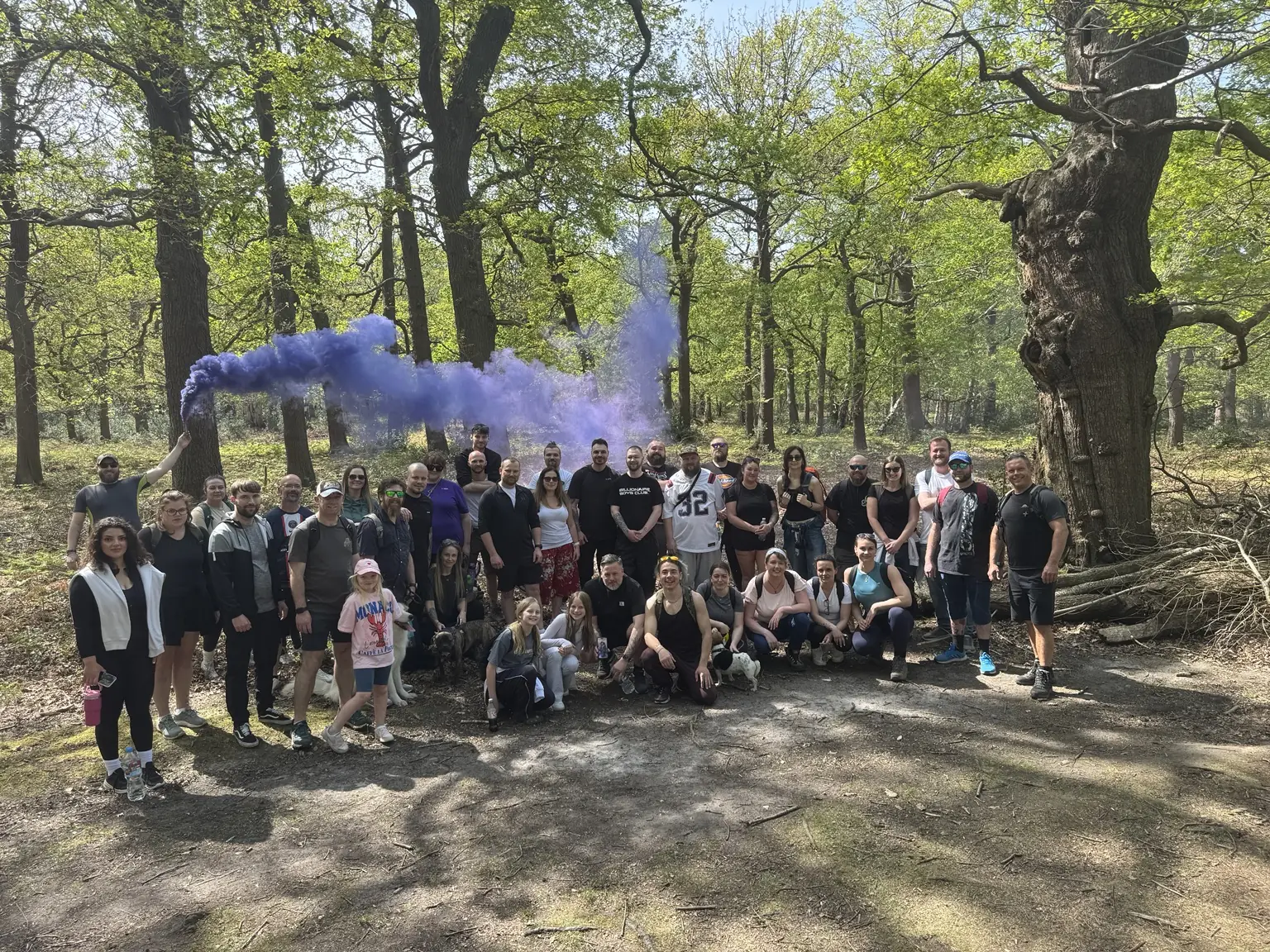
Choose one or two repeatable things outside work: a gym class at the same time, volunteering, a walking group, evening class, community plan, gaming night or coffee shop you regularly work from. The important feature is repetition, because recognition grows when the same people appear again.
Use location changes to break the feeling that every part of life happens in one room.
If you work, eat, relax and scroll in the same place, the day can lose clear edges. Moving part of your workday to a library, coworking space or café can create background human presence even when you are not there to make friends immediately.
Pick somewhere you can return to rather than chasing novelty. Familiar staff, regular customers and a predictable routine can make the outside world feel more connected to your week. A short walk before or after work can also create a transition that makes it easier to do something social afterwards.
Turn one remote colleague relationship into something slightly more human if the fit is there.
Remote colleagues can remain names in boxes unless somebody creates continuity beyond the meeting agenda. If you naturally get on with someone, ask how something they mentioned went, stay on for two minutes after a call or suggest a coffee when you are both near the same place.
Do not force intimacy at work or assume colleagues want friendship. The point is simply to allow a promising relationship to have a little more space than task updates. Some friendships begin through work even when the work itself happens online.
Protect after-work energy for connection instead of spending the entire day in low-level digital contact.
Remote work can blur the end of the day. You close a laptop after hours of messages and calls feeling socially saturated but not emotionally connected. That can make another conversation feel exhausting even though loneliness appears later in the evening.
Create a clear finish where possible. Step away from work chat, move your body, eat, then choose a form of contact that feels different from another work call. A walk with somebody, gym session, gaming with friends or real-world group can give your brain a stronger change of context.
Do not assume moving back to an office is the only answer to loneliness.
For some people, more office time genuinely helps. For others, the office contains people but not the kind of connection they are missing. Loneliness is subjective, and the NHS notes that people can feel lonely even while surrounded by others.
Ask what is actually absent: casual contact, close friendship, shared hobbies, reasons to leave home or people nearby for spontaneous plans. Then build for that missing layer. The right answer may be hybrid work, but it may equally be a stronger life outside work.
If working from home is part of broader withdrawal or worsening mental health, get support for that too.
Sometimes remote work is not the cause of isolation but makes it easier to stay withdrawn when anxiety, depression or another difficulty is already present. A community can give you reasons to connect, but it cannot assess why leaving home or seeing people has become difficult.
Use appropriate professional support if your mental health is persistently affecting daily life. Alongside that, ordinary recurring contact can help stop every day becoming work followed by recovery in the same space.