
Weekends remove the background contact that can hide loneliness during the week.
A job, commute, school run or regular weekday routine can provide brief contact without requiring you to organise it. You may speak to colleagues, customers or familiar faces all day. When that structure disappears, it can reveal how little social contact exists outside those settings.
The NHS notes that some people experience loneliness at particular times rather than constantly. If your difficult window is predictable, that is useful information. You can design around Friday night, Saturday afternoon or Sunday evening instead of treating the whole problem as vague and permanent.
Stop making Saturday morning the moment you decide whether the weekend will contain people.
Last-minute planning is hard when you already feel rejected or low. By the time you message somebody at 2pm, they may have plans, and a normal ‘sorry, busy today’ can land like proof that everybody has a life except you.
Move the decision earlier. On Wednesday or Thursday, ask one person about coffee, a walk, gaming, watching something or training. Look for a recurring group before the weekend arrives. Planning earlier does not guarantee company, but it gives other people a realistic chance to say yes.
Give the weekend anchors even when nobody is available.
A completely open day can become a long negotiation with yourself: get up or stay in bed, cook or order food, go out or scroll, message somebody or wait. A few fixed anchors reduce that drift. They also create places where familiar contact can eventually happen.
An anchor might be a Saturday gym session, Sunday walk, morning coffee somewhere familiar, volunteering shift, class, gaming session or family call. The point is not productivity. It is giving the day shape so loneliness is not the only thing determining what happens next.
Choose at least one weekend activity that puts you near repeatable social contact.
Solo activities can be enjoyable and are not a failure. But if every coping strategy keeps you alone, the social part of the problem never gets new information. Add one activity where other people are likely to appear repeatedly, even if you barely speak the first time.
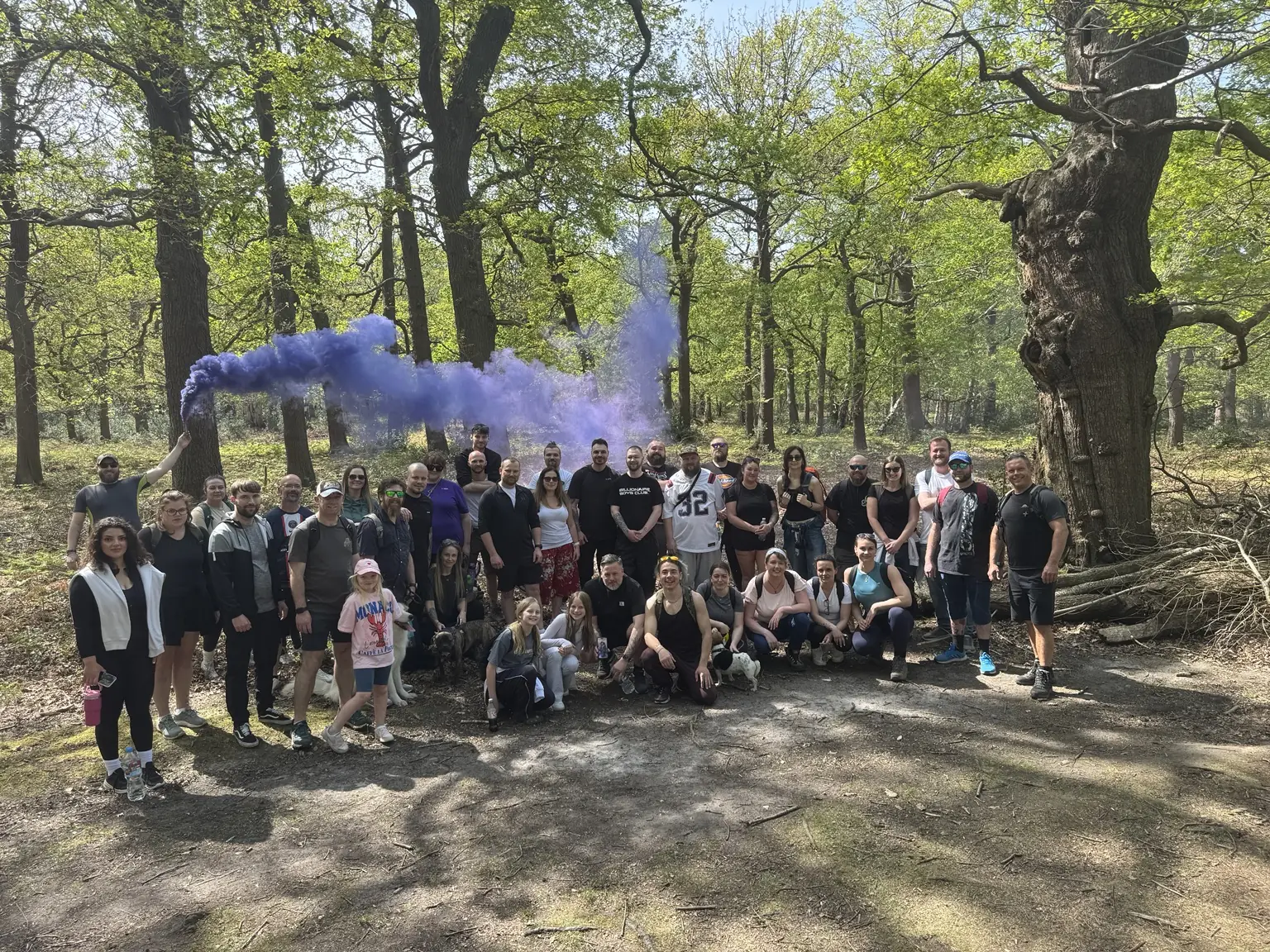
A walking group, casual sports session, volunteer shift, community meet-up, hobby group or regular online gaming session can work because it has a next occurrence. The first visit does not need to cure loneliness. It only needs to make the second visit less unfamiliar.
Be careful with the social-media version of everybody else’s weekend.
Weekend feeds concentrate visible plans: nights out, couples, families, trips and group photos. You are comparing your entire quiet evening with selected moments from hundreds of other people. That can make a normal lonely spell feel like social exclusion on a massive scale.
If scrolling reliably makes the evening worse, change the environment rather than trying to win an argument with every post. Put the phone in another room while you cook, game with somebody, watch a film, go for a walk or message one real person directly. Direct contact gives you more useful information than spectatorship.
A recurring community can reduce the pressure to invent a social life from scratch every Friday.
One reason weekends become exhausting is that every plan feels like a fresh sales job: who can I ask, what can I suggest, will they say no? A community, club or recurring group creates existing activity you can opt into rather than requiring you to organise everything yourself.
Lifted Spirits uses online community, gaming and real-world plans so members can recognise people before every weekend becomes another cold start. You can join free, see where you naturally fit and use the online side even on weekends when travel or in-person plans are not realistic.
Get extra support if weekends are when your mental health becomes unsafe or unmanageable.
Loneliness can be painful, and quiet periods may be when difficult thoughts feel louder. Lifted Spirits is not an emergency or clinical service. If you are in immediate danger, use emergency help; if your mental health is persistently worsening, contact appropriate NHS or professional support.
Community is most useful when it is allowed to be community: people to talk to, shared activities, friendship and reasons to reconnect. It should not be made responsible for providing treatment or crisis care that requires trained services.