
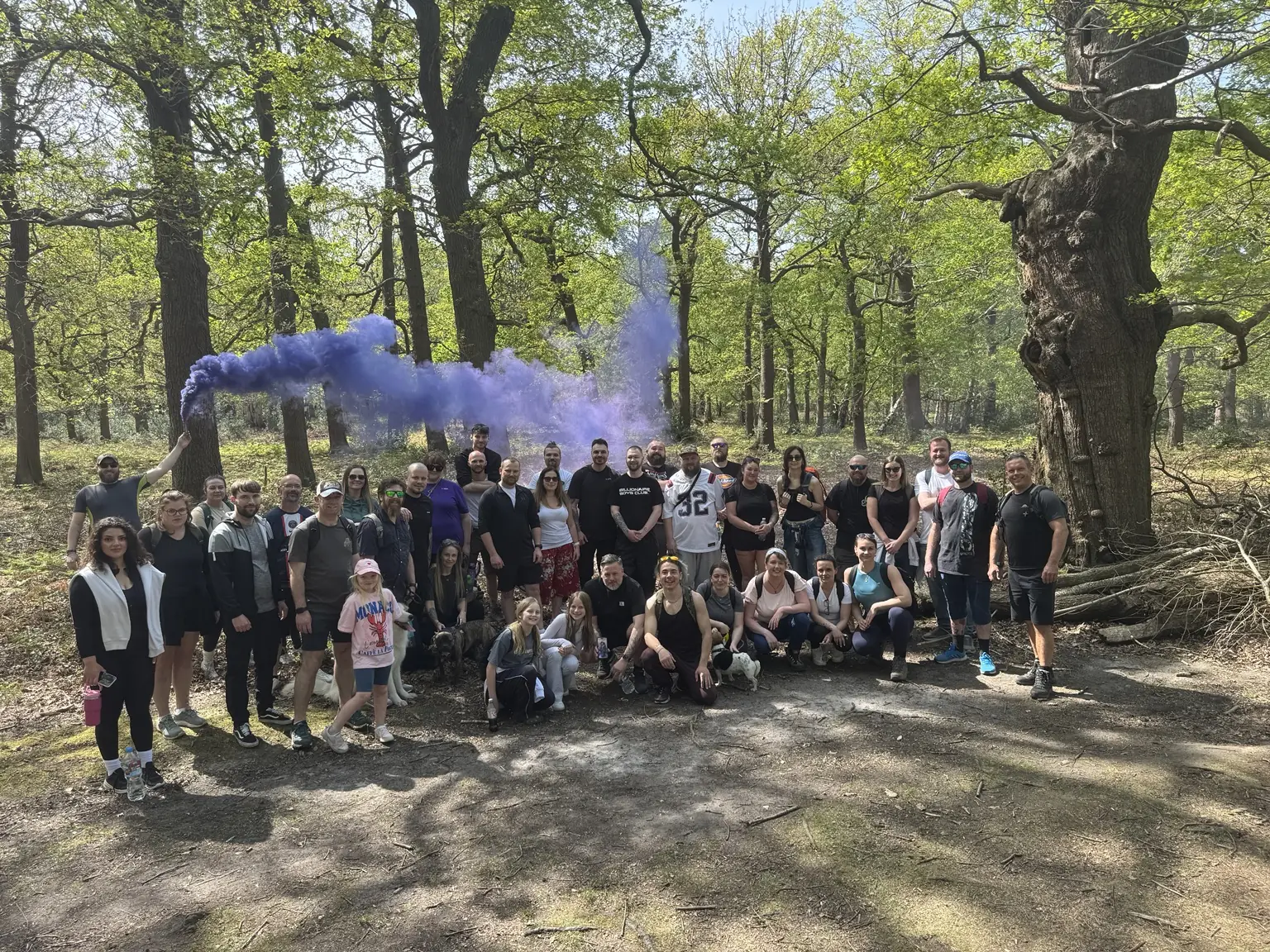
Loneliness can be about the quality of connection, not the number of people nearby.
The NHS describes loneliness as subjective and personal. Its Every Mind Matters guidance separates different experiences, including social loneliness, emotional loneliness and the feeling of being alone even while you are with people. That is why a crowded room does not automatically solve it.
If most of your contact stays at the level of work tasks, memes, quick messages or polite conversation, your week can look socially busy without giving you much emotional closeness. You do not need to dismiss those relationships; you may simply need somewhere that allows more honesty, repetition and shared experience.
Notice where you are performing instead of connecting.
Sometimes the lonely part is not that nobody speaks to you. It is that you rarely feel able to say what you actually think, ask for support, admit that your weekend was quiet or show the interests and experiences that matter to you. Constantly editing yourself can make contact feel thin even when other people like you.
You do not need to tell everybody everything. Try identifying one relationship where it feels reasonably safe to be five percent more real: answer a question honestly, mention something you genuinely care about, ask a follow-up question that goes beyond logistics or suggest doing something outside the usual context.
Turn repeated small talk into one slightly deeper thread.
Close friendship usually does not appear because one conversation became instantly profound. It grows because ordinary contact keeps creating chances to learn more about each other. If you already see the same person regularly, you have an advantage: familiarity is already there.
Pick up something they mentioned last time. Ask how the interview went, whether they finished the game, how their move is going or if they still fancy that walk. Remembering small details signals interest and gives the conversation continuity. Over time, continuity is what makes somebody feel less like a person you happen to know and more like somebody in your life.
Shared activity can create connection without forcing emotional intensity.
If direct ‘let’s talk about our feelings’ conversations are not natural for you, do not make that the only route to closeness. Walking, gaming, training, quizzes, volunteering, cooking, watching sport or any repeatable shared activity can create the side-by-side time where friendship develops more naturally.
The activity is useful because it gives you a reason to meet again. Repeated contact lets conversations deepen without either person having to announce that this is now a serious friendship. Choose something you could realistically repeat rather than a one-off event that leaves you back at zero afterwards.
Online contact can help, but passive scrolling is not the same as being known.
Online spaces can provide real friendship, especially when the same people return and conversations move beyond public reactions. The difference is participation. Watching other people interact may reduce boredom without reducing the sense that you are outside everybody else’s life.
If an online community feels safe enough, try moving one step from consumption to contribution: reply to something specific, join the same gaming session twice, recognise somebody by name or continue a conversation privately when both people want to. The goal is not constant posting; it is creating a few threads of mutual recognition.
Do not use other people’s visible social life as evidence that you are uniquely failing.
You normally see other people at the point where the plan already exists: the birthday photo, the group holiday, the Friday drinks. You do not see the awkward first conversations, the unanswered messages, the months of repeated contact or the friendships that look close online but feel distant in private.
Treat comparison as incomplete information. A more useful measure is whether your own week contains more chances for the same people to become familiar. One recurring activity, one person you message again and one place where you can be more yourself may do more than chasing a picture of a huge social circle.
Use professional support as well if loneliness is tied to persistent mental health difficulties.
Loneliness is not a diagnosis, and Lifted Spirits does not diagnose or treat mental health conditions. NHS guidance notes that severe or long-lasting loneliness can sit alongside difficulties such as anxiety, low mood or depression. If your mental health is deteriorating, getting appropriate professional help matters.
Community can still be part of your life while you use qualified support. The two do different jobs: healthcare can address mental health needs, while friendship and peer community can create ordinary human contact, shared interests and reasons to keep showing up around other people.