
Expect socialising to feel less automatic after a long quiet period.
Skills and confidence can feel rusty when they have not been used. You may overthink pauses, struggle to know when to speak or feel tired after a conversation that once seemed easy. That does not mean you have permanently lost the ability to connect.
Treat the first few interactions as reacclimatisation rather than an exam. Your goal is to gather new experience: I can leave the house, I can speak to somebody, I can be quiet for a moment without disaster, I can come back another time. Confidence usually follows evidence rather than appearing before it.
Start with exposure to people before demanding friendship from yourself.
If a group event feels too large, begin with environments where you are around people without needing to perform: work from a café, train at the same time, go to a class, walk somewhere busy or join an online voice channel while doing an activity.
The purpose is not to pretend strangers are friends. It is to make the presence of other people normal again. Once that baseline feels easier, small interactions become less like a leap from complete isolation.
Choose one recurring place rather than collecting one-off social challenges.
A new venue, new group and new activity every week keeps you in permanent first-meeting mode. That can be exhausting. Returning to the same environment lets recognition build even if the first visit is quiet.
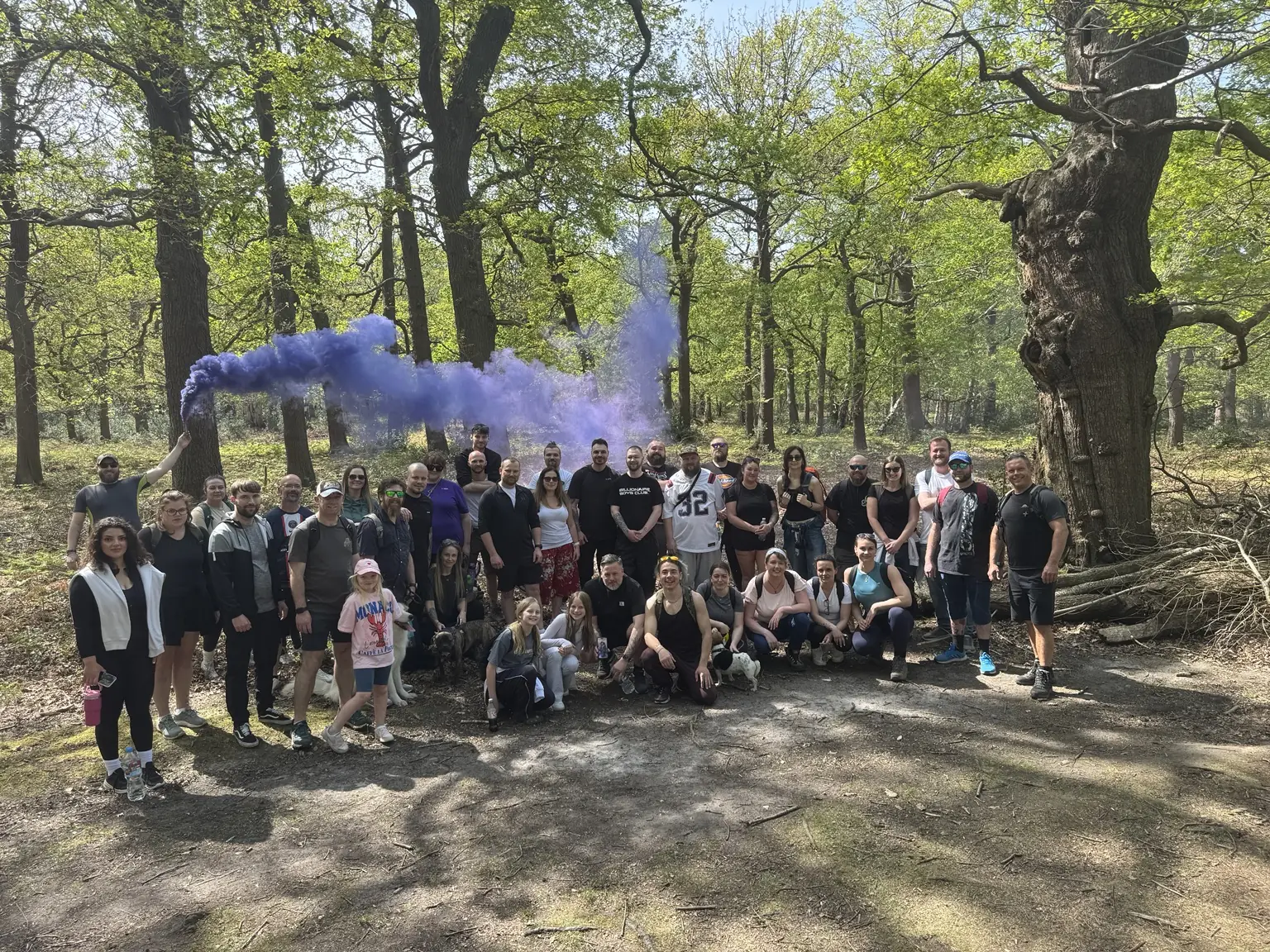
Pick something you could tolerate repeating for four to six weeks. A walking group, gym class, volunteer role, gaming session, hobby group or community event series can work. The second attendance already contains one useful difference: you know how the place works.
Give yourself a tiny interaction target that does not require instant charisma.
‘Be sociable’ is too vague. ‘Say hello to the organiser’, ‘ask one person how long they have been coming’, ‘reply to one message’ or ‘stay in voice chat for fifteen minutes’ is measurable. Small targets make it possible to finish a social step even if you still feel awkward.
Do not increase the target every time. Repetition at the same level can be useful. The aim is for ordinary contact to stop feeling novel before you make it more difficult.
Plan your exit so attending does not feel like getting trapped.
When you have been isolated, a plan can feel bigger if you imagine being stuck for hours. Decide your transport, know roughly when you can leave and give yourself permission to make the first attempt short. A forty-minute visit can be a successful restart.
Leaving early is different from never arriving. If you show up, learn the environment and speak to one person, you have information to use next time. You can extend later when the setting is familiar rather than demanding maximum endurance on day one.
Use online familiarity as a bridge if arriving somewhere alone is the biggest barrier.
For some adults, the hardest moment is walking into a place where every person is unknown. An online-first community can reduce that uncertainty. You can recognise names, speak through shared interests or game together before deciding whether to attend anything in person.
Lifted Spirits is designed to support that progression. You can remain online, build one-to-one familiarity and choose real-world plans later. Exact attendance details stay inside the member community, so public discovery does not turn into unknown people arriving at private member plans.
If isolation is being maintained by significant anxiety or low mood, use professional support too.
There is a difference between feeling rusty and being unable to socialise because a mental health condition is significantly affecting your life. Community can provide opportunities for contact, but it cannot assess or treat the reason socialising has become difficult.
NHS guidance on mental wellbeing includes connecting with other people as one part of wellbeing, and its loneliness guidance links to additional support. If anxiety, depression or another difficulty is persistent or severe, use professional care alongside gradual social rebuilding.