
A breakup can remove your closest connection and your everyday social routine at once.
You may lose the person you messaged first, the person beside you at weekends, mutual plans months ahead and a whole set of automatic conversations. That can leave ordinary moments strangely empty even when you know the relationship needed to end.
NHS Every Mind Matters includes break-ups among life events that can contribute to loneliness. Recognising the social loss does not minimise the emotional grief. It simply explains why ‘just move on’ can feel impossible when large parts of your week have also disappeared.
Do not make contact with your ex the only available cure for an empty evening.
When loneliness spikes, messaging the person who used to fill that space can feel like the fastest route to relief. Sometimes contact is appropriate; sometimes it restarts a cycle that is keeping both people stuck. The important thing is to create other routes for the need underneath the urge.
Before the difficult evening arrives, identify who else you can message, where you can go, what activity gets you out of the same physical space and what online community is available. You are not replacing one person with another. You are reducing the amount of your entire support system that sits behind one phone number.
Rebuild friendships that became quieter during the relationship without demanding they instantly return to where they were.
Relationships can change how much time you give friends. If you drifted from people, shame may stop you contacting them because you feel you only appear now that you are single. A straightforward message is usually better than pretending nothing happened.
You can say that you realise you went quiet and would like to catch up if they are open to it. Some friendships will restart quickly; others may have changed. Let the other person have their own feelings about the gap, and build from the relationship that exists now rather than the one you remember.
Create one routine that is yours rather than inherited from the old relationship.
The hardest times are often predictable: the evening you used to spend together, the Sunday morning routine, the place you always went or the friend group that now feels complicated. A new recurring activity gives that part of the week a different identity.
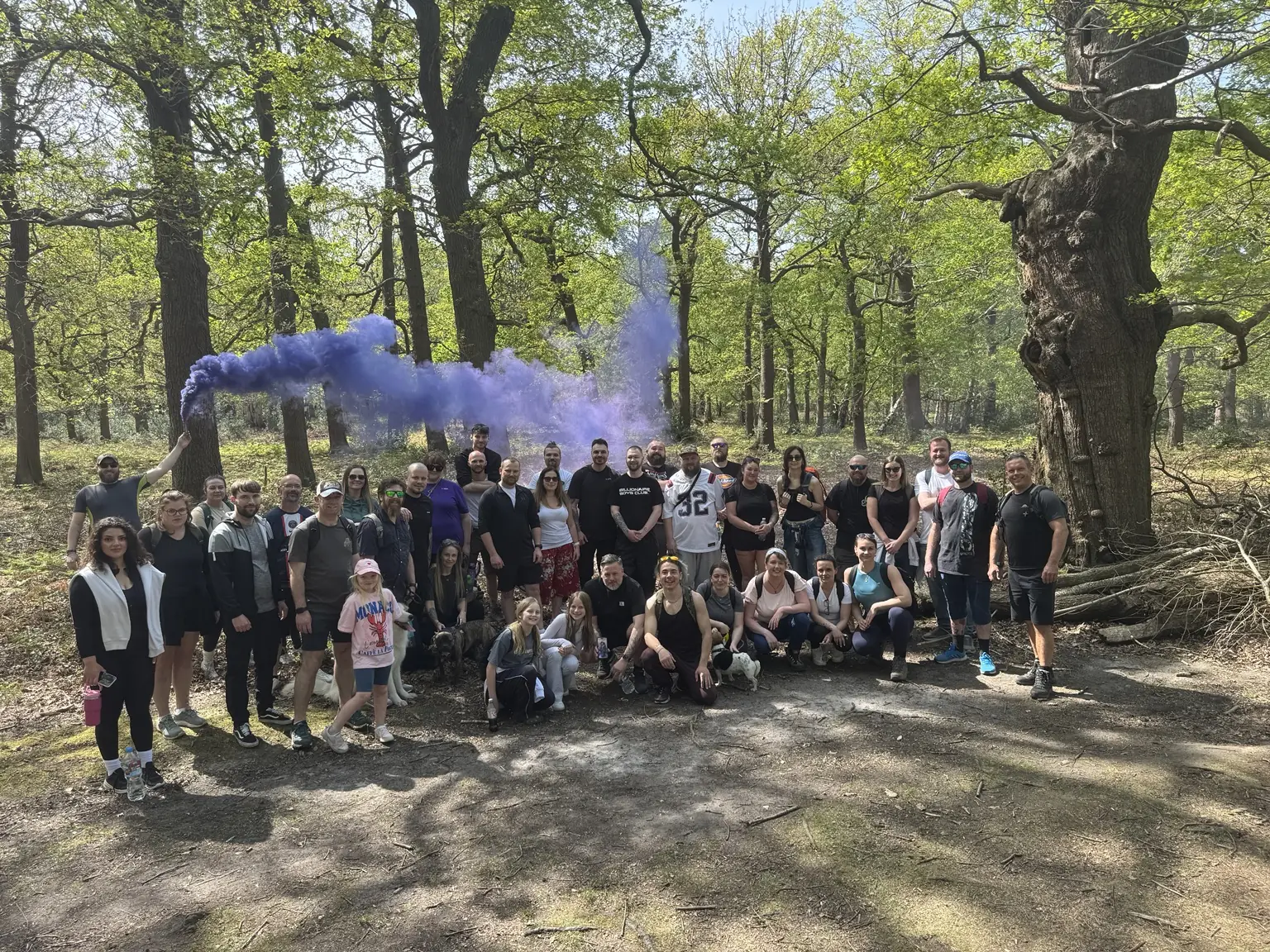
Choose something with repeat potential: training, a class, volunteering, a walking group, gaming night or community plan. It does not need to be symbolic or transformative. It needs to belong to your current life and give you a reason to encounter other people again.
Shared friends can stay complicated, so build social options that do not depend on somebody choosing sides.
Mutual friends may care about both of you. They may feel awkward inviting one person, may avoid discussing the breakup or may not provide the level of support you hoped for. That can create a second layer of rejection on top of the relationship ending.
Protect your dignity by allowing shared friendships to find their own shape while also creating independent connections. New friendships do not erase the past; they reduce the pressure on every mutual friend to become your whole post-breakup social life.
A new romantic relationship is not the only route out of post-breakup loneliness.
Dating can be part of life when you are ready, but using a new relationship as the only replacement for lost companionship can leave the same structural problem underneath: one person carrying almost all of your social and emotional connection.
Platonic friendships, family relationships, community and shared activities give your life more than one source of belonging. That can make future relationships healthier too, because being partnered no longer has to mean being socially dependent on one person for everything.
Get professional support if the breakup is seriously affecting your ability to cope.
Breakups can trigger intense distress, and loneliness can make it harder to regulate when there is nobody nearby who knows what is happening. Lifted Spirits is a peer community, not therapy or crisis care. If you are struggling to function, feel unsafe or your mental health is deteriorating, use qualified support.
Community can still matter alongside professional help. Having ordinary conversations, shared interests and plans can remind you that your identity is bigger than the relationship that ended, while clinical needs remain with the services trained to handle them.