
Start with the problem that actually sounds like your life.
‘Anxiety’ is too broad to be useful on its own. The experience can show up as fear before plans, blanking in conversation, cancelling at the last minute, replaying everything afterwards or wanting friendship while avoiding the people who might provide it.
These guides separate those situations because the useful next step is different for each one. They are written for adults looking for practical ways to make social life more manageable, not as a replacement for diagnosis or treatment.
If the hardest part happens before you even leave the house.
Anticipatory anxiety can make a plan feel exhausting before it begins. Your mind fills in missing information, your body reacts to imagined social threat, and cancelling offers immediate relief. That can create a cycle where the thing you wanted becomes the thing you repeatedly avoid.
The two guides below go deep on the build-up and cancellation loop, including smaller commitments, practical uncertainty reduction and how to protect relationships without pretending anxiety has no impact.
If the difficult part is being seen, speaking or worrying what people thought.
Social anxiety can pull attention inward: how you sound, where you are looking, whether you seem awkward, whether a pause means the other person is bored. That self-monitoring can make conversation harder and then feed hours of post-event analysis.
These guides cover fear of judgement, conversation starters that use context rather than confidence, and the difference between what actually happened and what anxiety inferred afterwards.
If isolation has made the next social step feel even bigger.
Anxiety and loneliness can reinforce each other. Avoiding social situations may reduce anxiety immediately while also reducing familiarity, support and recent evidence that you can handle interaction. After enough time alone, ordinary socialising can feel unusually effortful.
The goal is not instant transformation. It is to rebuild contact through small, repeatable experiences and stop measuring success only by whether you felt calm.
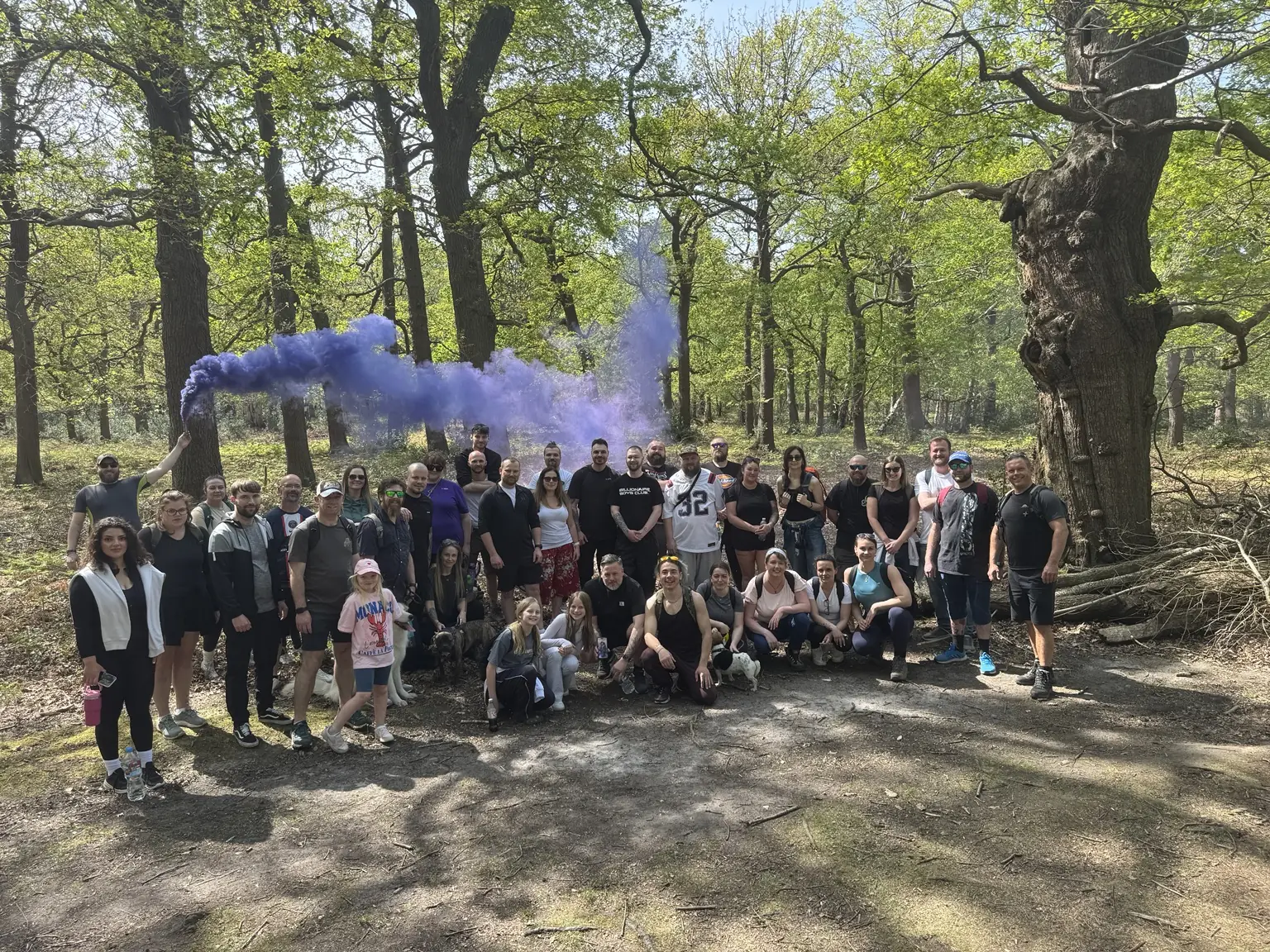
If you want to try a real-world event but going alone is the barrier.
Arrival is often the highest-uncertainty part of an event: you do not yet know the room, the people or what happens first. A good plan reduces that uncertainty before you travel and gives you one simple job when you arrive instead of asking you to ‘just mingle’.
Lifted Spirits also lets members become familiar with the community online before choosing a real-world meet-up. Exact future attendance details stay member-only, so public pages help people discover the community without turning into instructions for unknown people to show up.
You are not the only person who wants ordinary friendship and support at the same time.
A published Lifted Spirits analysis of 5,415 completed profiles found that 81.0% selected genuine friendships and 47.8% selected emotional support. The question was multi-select, so these needs overlap. This is not an anxiety statistic and it is not a UK population estimate; it is a limited public headline from the Lifted Spirits community sample.
The point is not to give away the deeper intelligence behind the community. It is to show something simple and human: people can be struggling and still mainly want ordinary friendship, plans, shared interests and people they can relate to.
Where Lifted Spirits fits, and where it does not.
Lifted Spirits is an 18+ friendship and peer-support community. It can give you lower-pressure routes into people through Reflections, shared interests, relatable member discovery, chats, gaming and real-world meet-ups. It does not diagnose anxiety, provide therapy or replace professional care.
The NHS says social anxiety is more than shyness when it becomes persistent and affects everyday life, confidence or relationships. If anxiety is controlling significant parts of your life, use qualified healthcare support alongside any community connection you choose to build.