
Loneliness · adult friendship · social connection

Why can loneliness feel so much heavier at night?

Night removes a lot of the structure that carries you through the day. Work ends, messages slow down, other people seem to disappear into partners or families and there is more space for comparison and rumination. The useful goal is not to eliminate every quiet evening. It is to stop the same empty window repeating without any plan for connection, comfort or tomorrow.

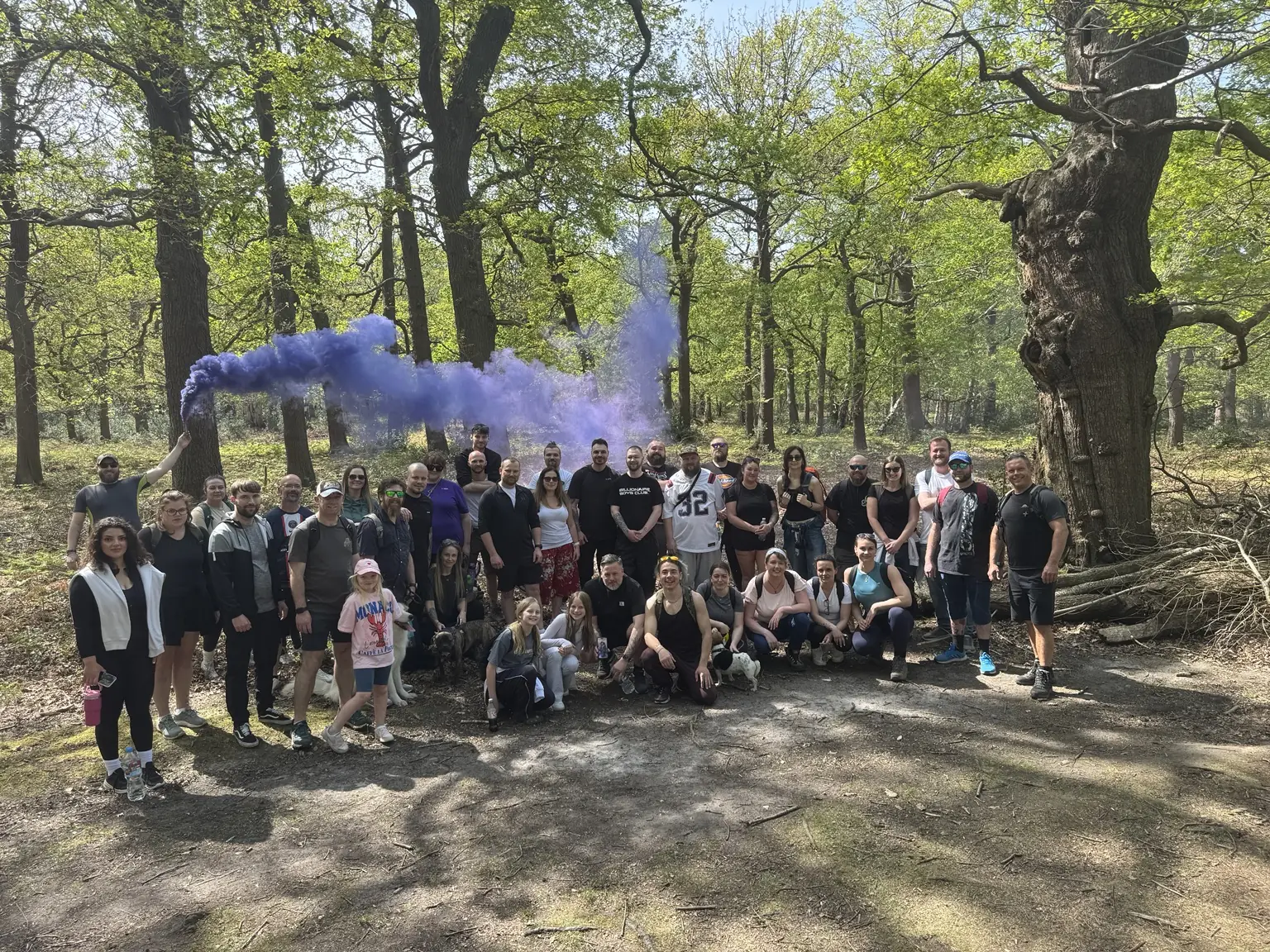
Real Lifted Spirits community members connecting in person
Lifted Spirits combines online community, shared interests and real-world connection. Public editorial imagery uses real community photography where it fits rather than staged or generated meet-up scenes.
Name the windowNight loneliness has a pattern
Plan earlierDo not wait until 10pm to solve it
Build repeatsRecurring contact beats random rescue
01

Night often exposes the social gap that daytime activity hides.

A busy day can contain colleagues, errands, notifications and background noise without providing much real closeness. When those layers disappear, the difference between activity and connection becomes obvious.

Treat that as information rather than proof that something is wrong with you. Ask what the evening is missing: conversation, shared activity, somebody who knows how your day went, or simply a reason not to spend four hours scrolling alone.

02

Make the plan before the lonely part of the evening begins.

If the difficult window usually starts after dinner, waiting until then means you are planning from the point where energy and confidence are already lower. Put one anchor in place earlier: a scheduled game, call, walk, class, recurring community event or message thread you know is likely to continue.

The anchor does not need to fill the whole night. Its job is to interrupt the sense that the evening is an endless blank space and create one predictable point of contact.

03

Separate wanting company from needing constant stimulation.

Sometimes the urge to keep scrolling, checking messages or refreshing apps is partly an attempt to feel socially connected. It can create activity without the relief of actually being known by somebody.

Try choosing one active form of connection before passive consumption: reply properly to one person, join a live conversation, play with the same people again or arrange something for tomorrow. Then let the rest of the evening be quieter without treating quiet as failure.

04

Use shared activity when direct conversation feels like too much pressure.

You do not have to manufacture a deep conversation every night. Gaming, watching something together, walking, training or joining a regular online event can create companionship without asking either person to produce constant emotional intensity.

Repeated shared activity matters because it gives the relationship somewhere to go next. Familiarity can develop through ordinary nights, not only through serious talks.

05

Do not compare your private evening with somebody else’s visible highlight.

Night-time social media can make it look as though everybody else is at dinner, on holiday, in a relationship or surrounded by friends. You are seeing selected moments, not the full social reality of their week.

A better measure is whether your own week contains more chances for connection than it did a month ago. One recurring group and one person you speak to consistently can matter more than chasing the appearance of a permanently busy life.

06

Get additional support if night loneliness sits alongside persistent low mood, anxiety or worsening mental health.

Loneliness can overlap with mental health difficulties, but a friendship community cannot diagnose or treat them. If nights are becoming consistently hard to manage or your mental health is deteriorating, use appropriate professional support alongside the work of rebuilding connection.

The NHS provides current guidance on loneliness and mental health services. Community can add human contact without being asked to replace healthcare.

OPTIONAL PRACTICAL SUPPORT

An optional tool for one part of this problem

These recommendations support a specific routine, reflection or boundary problem discussed above. They cannot solve loneliness and they are not a substitute for human connection or professional care.
The Boy, the Mole, the Fox and the Horse by Charlie Mackesy book cover
AFFILIATE RECOMMENDATION

The Boy, the Mole, the Fox and the Horse — Charlie Mackesy

Recommended because it matches this page's specific problem, not because buying something is a substitute for support, professional care or doing the underlying work.

See product on Amazon
AFFILIATE RECOMMENDATION

Kindle Paperwhite

Recommended because it matches this page's specific problem, not because buying something is a substitute for support, professional care or doing the underlying work.

See product on Amazon

Affiliate disclosure: these product links are paid affiliate links. As an Amazon Associate I earn from qualifying purchases. Recommendations are editorial choices and do not guarantee a particular outcome.

Important distinction

Community support and products are not mental health treatment.

Lifted Spirits can provide friendship, peer community and practical routes into social connection, but it does not diagnose or treat mental health conditions and is not an emergency service. Products on selected pages are optional aids for one practical part of the problem, not a treatment for loneliness. Use NHS, GP or other qualified professional support when health needs go beyond community connection.

Read our community and safety terms

Common questions

Useful answers before you move on.

Why do I only feel lonely at night?

Night often removes daytime structure and background contact, leaving more space to notice what is missing. That does not make the feeling less real; it suggests that evening structure and recurring contact may be useful targets.

Should I message people when I feel lonely at night?

You can. Specific, ordinary contact is usually easier than waiting until the feeling becomes overwhelming. A simple reply, invitation or plan for the next day can be enough to create continuity without turning one person into your entire support system.

Can gaming or online communities help with night loneliness?

They can provide genuine social contact when the same people return and interaction is mutual. Repeated participation is usually more useful for connection than passive scrolling or constantly entering new anonymous spaces.

Start at your own pace

Your nights do not have to keep depending on somebody remembering to invite you.

Join Lifted Spirits free and create recurring evening contact through conversations, gaming, shared interests and people you can recognise again tomorrow.

Create your free account