
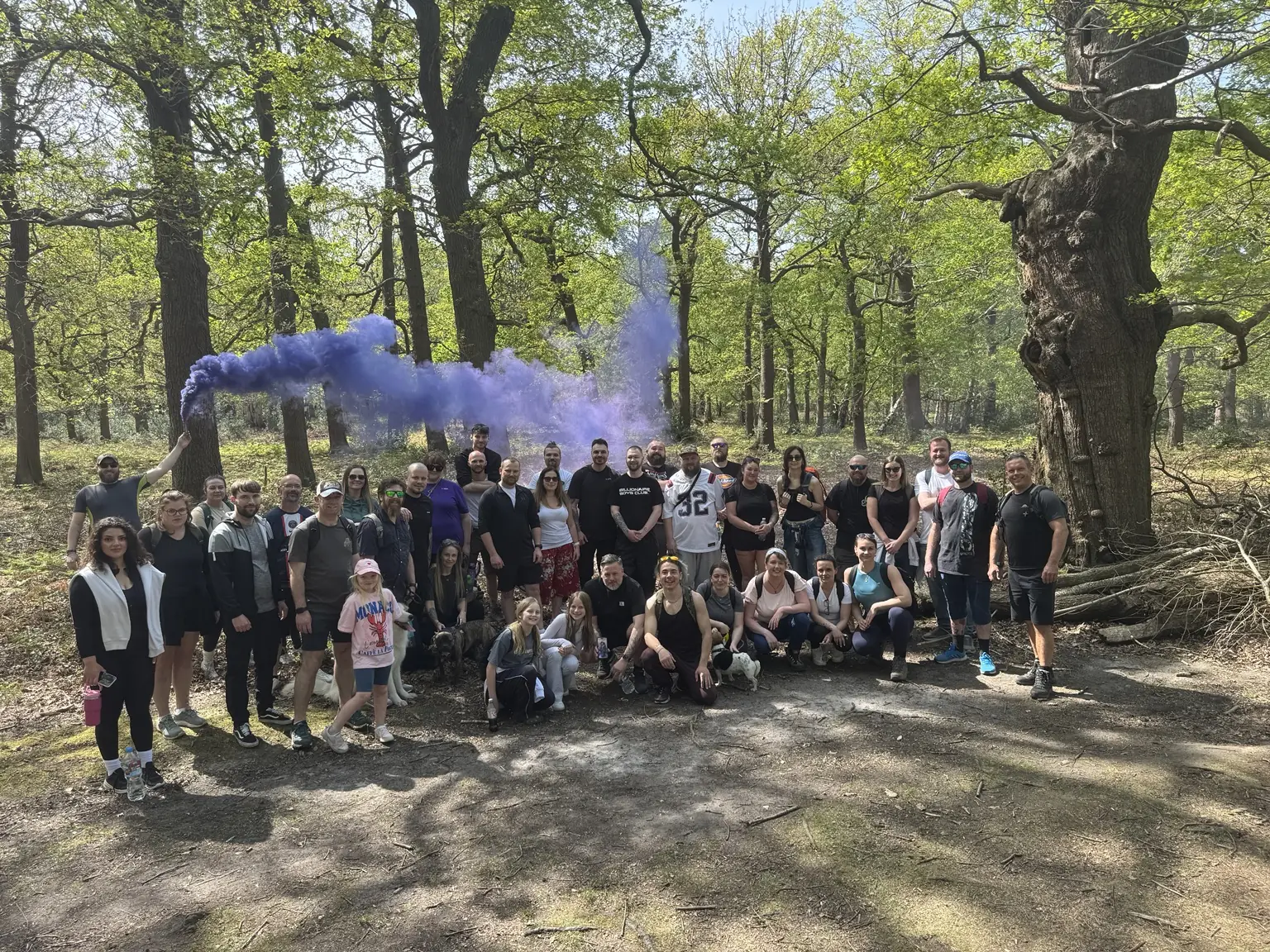
Begin by putting recurring social contact into the week before you worry about a friendship group.
If your calendar contains no environment where the same people appear, friendship has very few chances to start. Choose one or two recurring contexts first. They can be small: a class, walking group, volunteer shift, sports session, gaming night, community event or regular place you work or train.
Do not choose ten. You need enough repetition for recognition. Going to the same thing four times often creates more useful familiarity than attending four unrelated events where every person is new.
Use a two-lane approach: one online route and one route that can become local or in person.
Online community can give you contact on quiet evenings and lets you meet through interests or shared experiences without travel. Real-world activity gives you physical routines and local familiarity. They do not have to compete.
An online friendship may stay online and still be real. It may also make a later event easier because you recognise people first. A local acquaintance may become somebody you message online between plans. Multiple routes make your social life less dependent on one format.
Your first metric is recognition, not best friends.
At the beginning, progress can look unimpressive from the outside: you know three names, somebody says hello first, you have one person to sit beside or you get invited into the next game. Those are important changes because they reduce the cold-start problem.
Closeness needs accumulated context. Track whether more people recognise you and whether interactions continue from last time. Those are leading indicators that a social network is beginning to exist.
Follow up while the interaction is still recent instead of hoping another meeting happens by accident.
If you had a decent conversation, give it somewhere to go. Send the link you discussed, ask how the thing went, say you are going again next week or suggest a small plan connected to the shared interest.
Follow-up does not need to be intense. It tells the other person you are open to continuity. If they reciprocate, repeat. If they repeatedly give nothing back, move on without turning one mismatch into a judgement on your ability to make friends.
Make invitations specific enough to answer and small enough to repeat.
‘We should hang out’ sounds friendly but creates no plan. Try ‘I’m grabbing coffee after the class next Tuesday, fancy joining?’ or ‘want another game Thursday night?’ Specific invitations reduce uncertainty for both people.
Keep early plans easy. A huge day out creates more pressure and more scheduling friction. Short repeatable plans build history faster because saying yes does not require somebody to reorganise their whole week.
Build a social life that is not destroyed by one person being busy.
When you start from very little contact, one promising friendship can quickly become the entire plan. That puts enormous pressure on the relationship and makes normal unavailability feel like abandonment.
Keep more than one social thread alive. They do not all need to be close: a gaming group, one local friend, a family relationship, a class and a community can together create a more resilient week than depending on one person for every form of connection.
Use wellbeing and professional support alongside social rebuilding when you need them.
The NHS includes connecting with other people among its five steps for mental wellbeing, but connection is not a substitute for healthcare. If anxiety, depression, grief or another health problem is making daily life difficult, get appropriate support while you rebuild social routines.
Lifted Spirits can provide peer community, friendship opportunities, gaming and meet-ups. It cannot promise that joining will create instant close friends, and it should not be used as treatment or crisis care.