
Anticipatory anxiety can make tomorrow feel like it is happening now.
You may start running the event in your head hours or days early: who will be there, where you will sit, what if you go quiet, what if everyone already knows each other, what if you cannot leave easily. None of those things has happened, but your body can still respond to the imagined threat.
NICE guidance on social anxiety specifically includes anticipatory processing when clinicians assess what is maintaining a person's difficulties. In ordinary language, that means the build-up itself can be part of the problem rather than only what happens once you arrive.
The plan often feels bigger because your brain is filling gaps with worst-case details.
Uncertainty gives anxiety space. ‘Dinner with some people’ contains dozens of unanswered questions. Exactly where? How many people? Can I arrive separately? What happens first? How long is it? Can I leave without making a scene? If you are already anxious, those missing details can turn into imagined problems.
Reducing uncertainty is not cheating. Ask for the address when appropriate, know how you are getting home, decide roughly how long you want to stay and identify one person you can message when you arrive. The aim is to remove avoidable decisions so your attention is not split between logistics and social pressure.
Do not make the decision about attending at the exact moment anxiety is loudest.
If your usual pattern is ‘feel anxious at 5pm, cancel at 5:05pm, feel immediate relief’, the cancellation decision is happening under maximum pressure. One practical alternative is to create a rule earlier in the day: unless I am genuinely unwell or something important changes, I will at least travel there and reassess after ten or twenty minutes.
That is not a rule to ignore your limits. It is a way of separating a values-based decision from a panic-based one. Sometimes you will still leave early. The useful difference is that anxiety does not automatically get the final vote before you have any new information.
Make the first ten minutes easier instead of trying to solve the whole evening.
The mind often treats a two-hour social plan as one giant task. Break it down: get dressed, leave the house, arrive, find one person, say hello, get a drink or join the activity, stay for ten minutes. You only need to do the current step.
This is consistent with NHS self-help guidance that suggests breaking challenging situations into smaller parts and gradually facing feared situations. The goal is not to guarantee you feel calm; it is to make the next step specific enough that you can actually do it.
- NHS Every Mind Matters: facing your fears
- Decide your transport before the day if possible.
- Know who or what you are looking for when you arrive.
- Give yourself one tiny social target, such as saying hello to one person.
- Plan an exit route so staying feels like a choice rather than a trap.
Be careful with the relief you feel after cancelling.
Cancelling can feel incredible for ten minutes because the anticipated threat disappears. That relief is real, but it can strengthen the habit: anxiety rises, cancellation removes it, so cancellation becomes more tempting next time. NHS Every Mind Matters notes that avoidance can reduce fear in the short term while making feared situations harder to face over time.
If you need to cancel, cancel honestly and reschedule in a way that is smaller rather than disappearing. A short coffee, online call, walk or one-to-one plan may preserve the relationship better than waiting for a day when you magically feel no anxiety at all.
Lifted Spirits can reduce the ‘I know nobody there’ part of the fear.
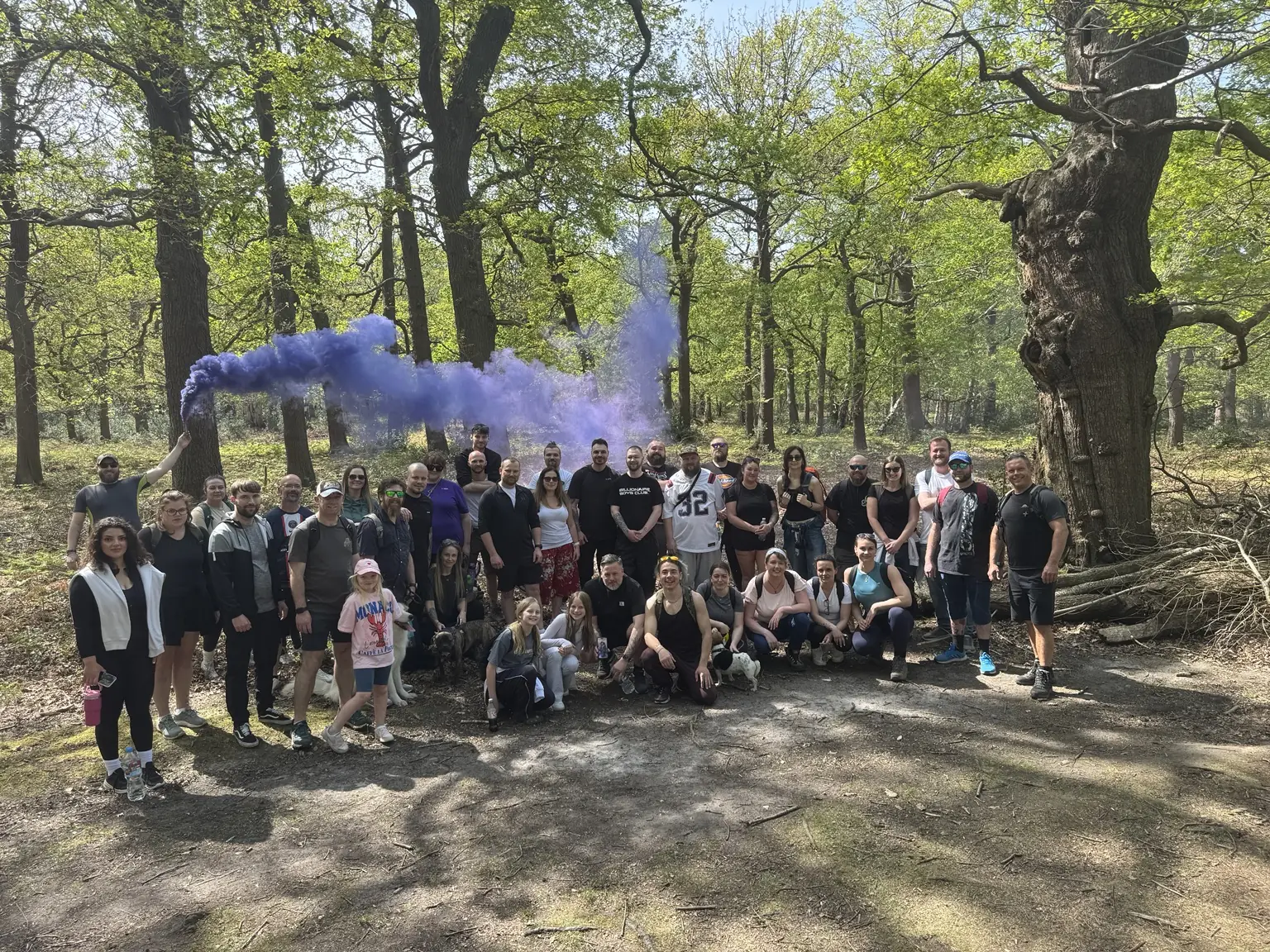
One of the hardest versions of a social plan is entering a place where every face is unknown. Lifted Spirits is structured so the online community can come first. You can see familiar names, join conversations or gaming sessions and get a sense of people before choosing a real-world plan.
For public meet-ups, exact attendance details stay inside the member community. That is partly a safety boundary, but it also means the useful social preparation happens in the same place: members can access the current plan and community context after joining rather than relying on a public listing and arriving cold.
When the build-up regularly controls your life, get more support.
If anxiety before social situations is persistent, distressing or causing you to avoid work, relationships or ordinary activities, professional support is appropriate. You do not have to wait until it becomes unbearable.
NHS Talking Therapies can support anxiety and social anxiety, and many adults in England can self-refer. Lifted Spirits can provide community and peer connection alongside that; it should not replace assessment or treatment.