
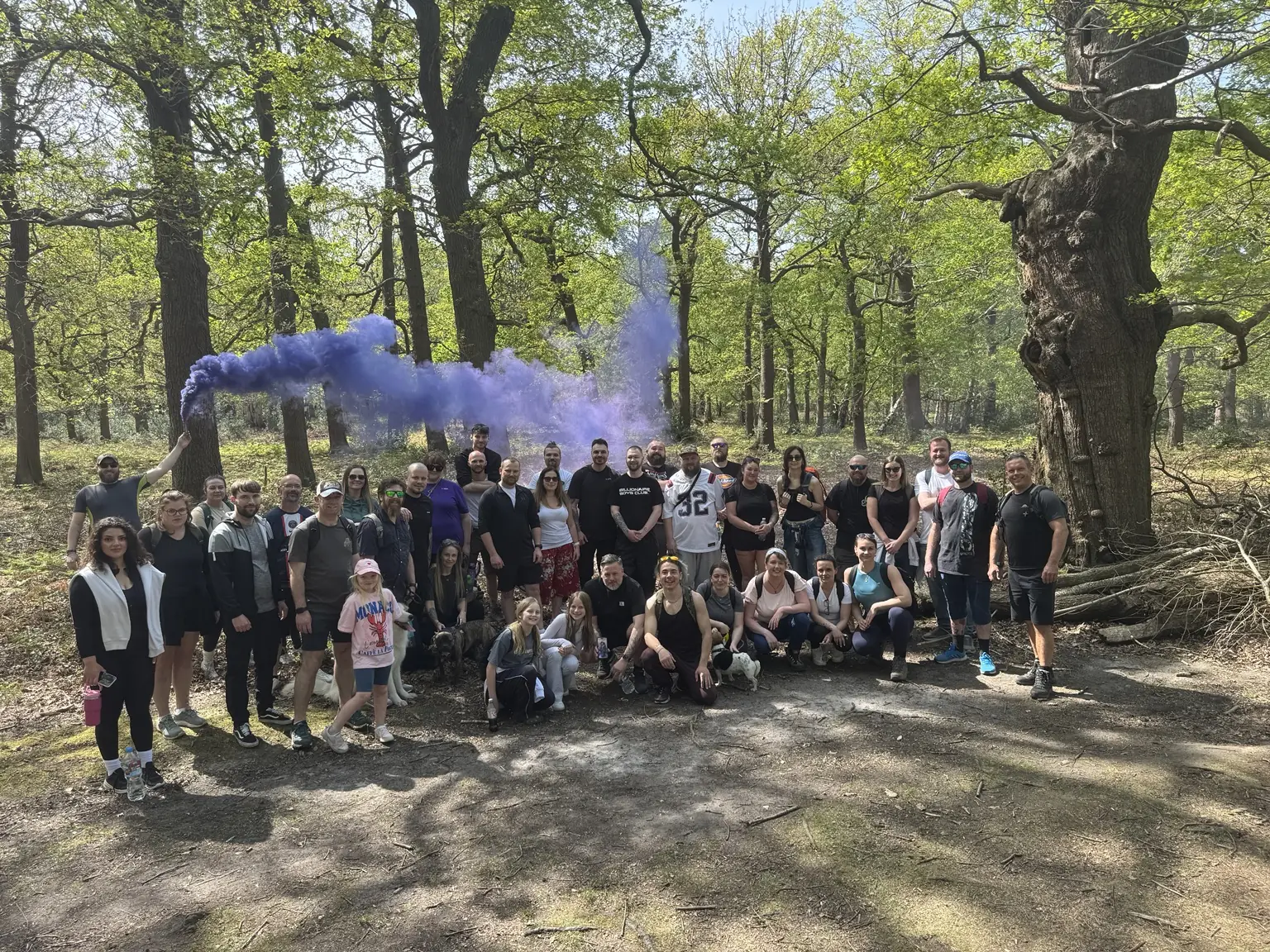
You can want people and still feel safer avoiding them.
Loneliness is not the same as simply being alone. You can spend time around people and still feel disconnected, or you can crave company while avoiding exactly the situations that might create it. Anxiety makes that contradiction understandable rather than irrational.
The short-term reward for avoidance is powerful: you do not have to risk judgement, awkwardness or uncertainty. The long-term cost can be a smaller social world, fewer recent positive experiences and more pressure on every future interaction to ‘go well’.
Isolation can make ordinary social skills feel rusty, which can then look like proof you should stay isolated.
After a long period with less social contact, conversation may require more conscious effort. You might struggle to think of things to say, tire more quickly or feel more self-aware. That does not necessarily mean you have become incapable of connecting; you may simply be out of practice.
The dangerous interpretation is ‘I was awkward, therefore I should not do this’. A more useful interpretation is ‘that felt unfamiliar because I have not done much of it lately’. Skills and comfort can return through repeated exposure to manageable situations.
The Lifted Spirits data shows friendship and support can be wanted by the same people.
In a published Lifted Spirits analysis of 5,415 completed profiles, 81.0% selected genuine friendships and 47.8% selected emotional support. These were multi-select options, so the figures overlap. The report is not an anxiety survey and it is not a UK population estimate, but it demonstrates an important community reality: wanting ordinary friendship and wanting understanding during a difficult period are not mutually exclusive.
That distinction matters because somebody who feels lonely or anxious may not want to join a space where they are treated only as a mental health problem. Sometimes the useful thing is to talk about what is difficult; sometimes it is to play a game, go for a walk or have a normal conversation with somebody who gets it.
Rebuild contact before demanding closeness.
If you feel deeply lonely, it is tempting to search for an immediate best friend. That makes every new person carry enormous expectations. Start earlier in the chain: regular contact, familiar names, shared interests, small replies, repeated sessions and simple plans.
Connection density matters. One person does not have to solve your loneliness. A healthier social world can contain acquaintances, gaming friends, people from a group, one or two closer friends and community spaces where you can show up without starting from zero.
- Choose one recurring online or offline environment.
- Respond to familiar people instead of constantly searching for brand-new ones.
- Use activities to create repeated contact without forcing intimacy.
- Let closeness develop from evidence rather than urgency.
Use gradual steps when anxiety is the reason you keep withdrawing.
NHS Every Mind Matters explains that avoidance can strengthen fear over time and recommends gradual exposure to feared situations. For social connection, that could mean moving from reading, to reacting, to messaging, to voice chat, to a short plan, rather than jumping from isolation straight into the hardest social situation you can imagine.
The pace should be realistic enough that you can repeat it. A single heroic social day followed by three weeks of withdrawal is usually less useful than a small amount of contact you can maintain.
How Lifted Spirits fits into the gap between isolation and a full social life.
Lifted Spirits is not designed to diagnose or treat anxiety. Its role is ordinary human connection: an 18+ community where adults can meet around shared experiences and interests, use gaming as a low-pressure route, read or post Reflections, message people and choose real-world meet-ups later.
That creates more than one entry point. If one-to-one conversation is too intense today, you can read. If meeting people is too much, you can game. If you want real-world plans, you can become familiar with the community first. The point is to stop making connection an all-or-nothing decision.
Professional help and community support solve different parts of the problem.
If anxiety is persistent or significantly affecting your daily life, relationships or ability to function, use professional support. NHS Talking Therapies accepts self-referrals for many adults with anxiety and depression in England.
A therapist can work with the anxiety itself. A community can help provide ordinary social opportunities and belonging. You do not have to choose one or the other.