
Start with what would genuinely ruin the day if you forgot it.
Water, personal medication, your phone, travel essentials and anything specifically required by the organiser come first. Those are more important than filling a bag with clever outdoor accessories you have never needed before.
Check whether the route has places to refill water or buy food rather than assuming it does.
Carry weather options instead of one outfit you are stuck with.
A spare or removable layer and suitable rain protection give you room to react when the temperature or weather changes. That is usually more useful than starting overdressed and carrying the heat around all day.
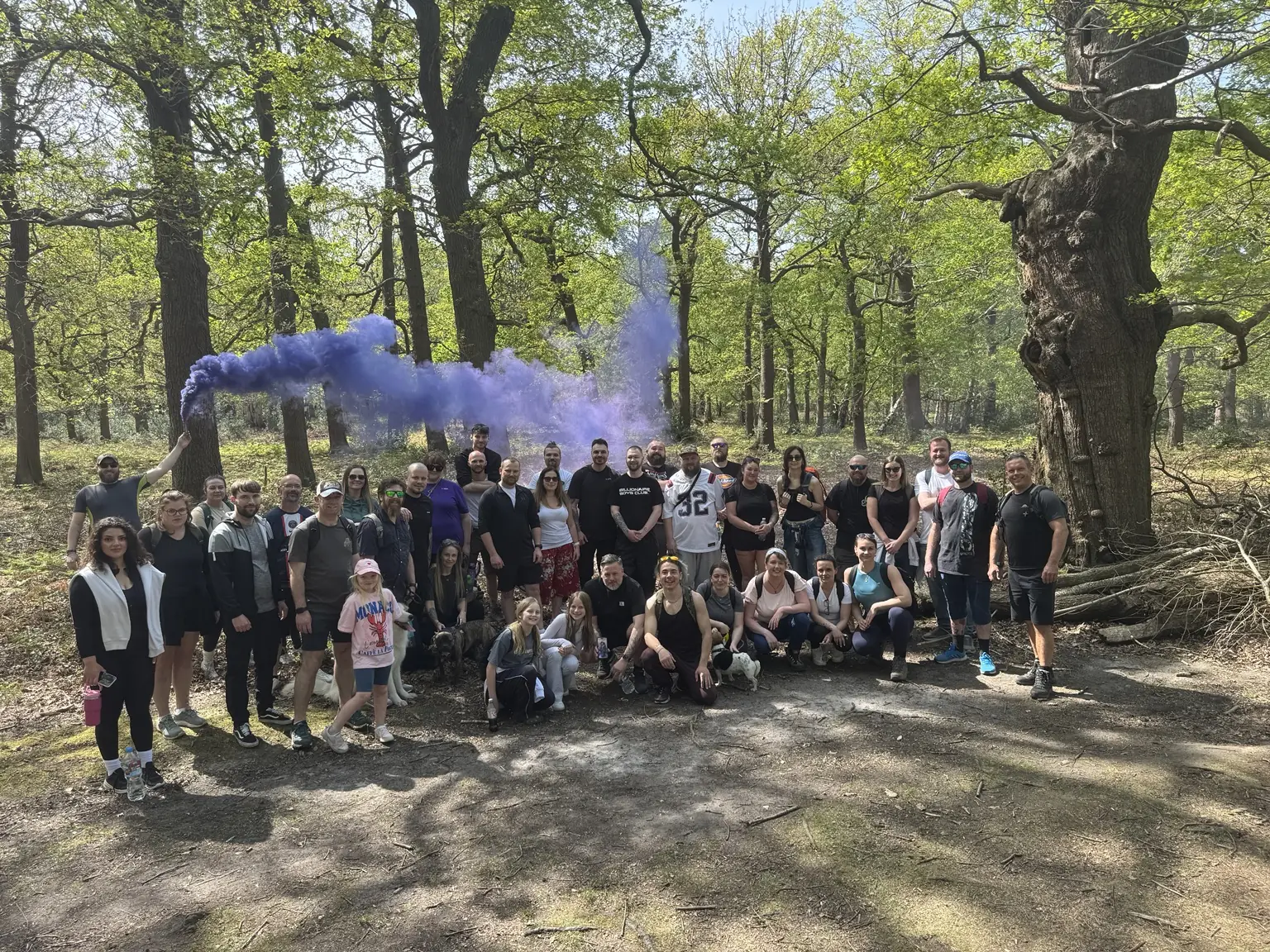
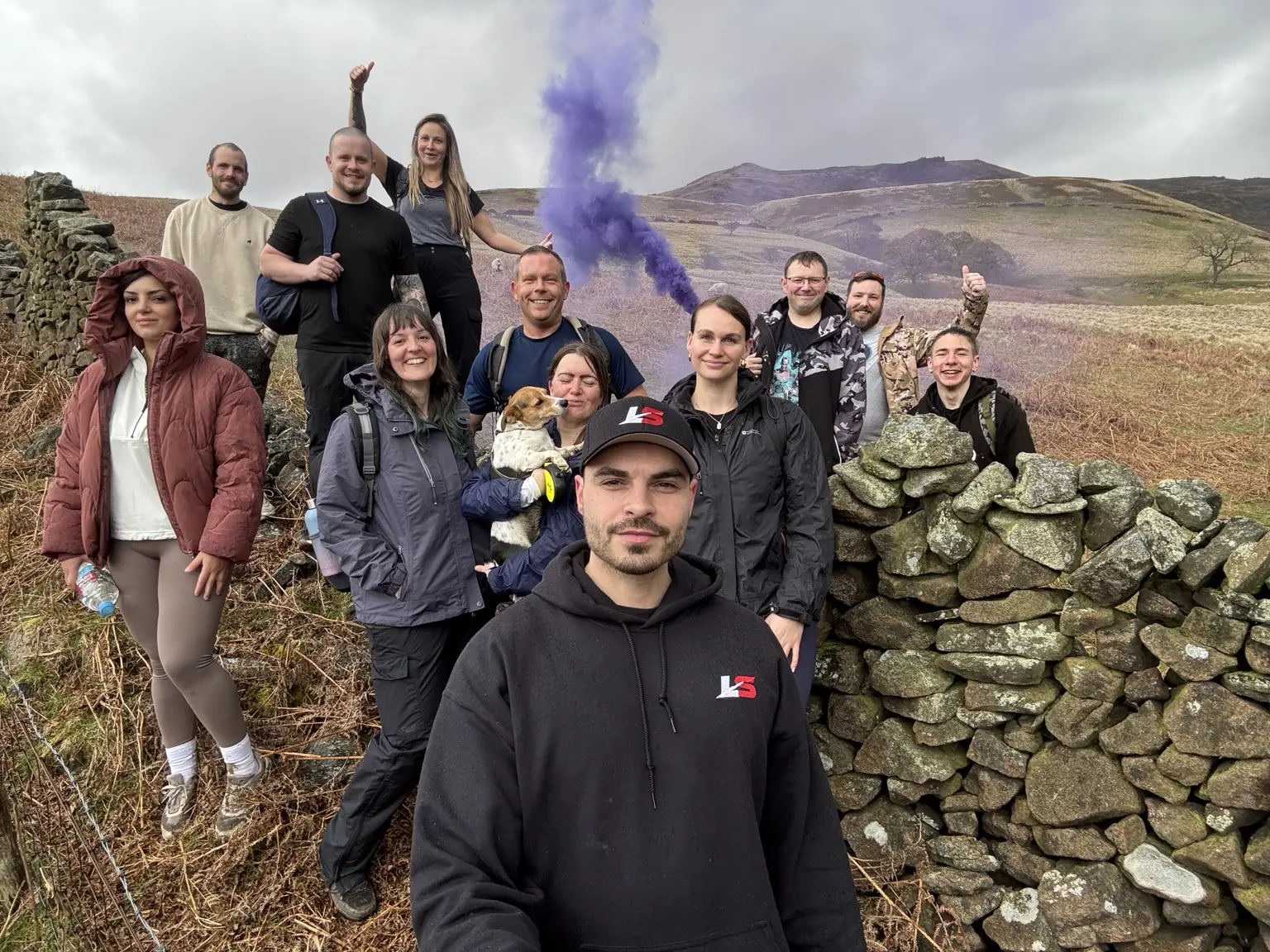
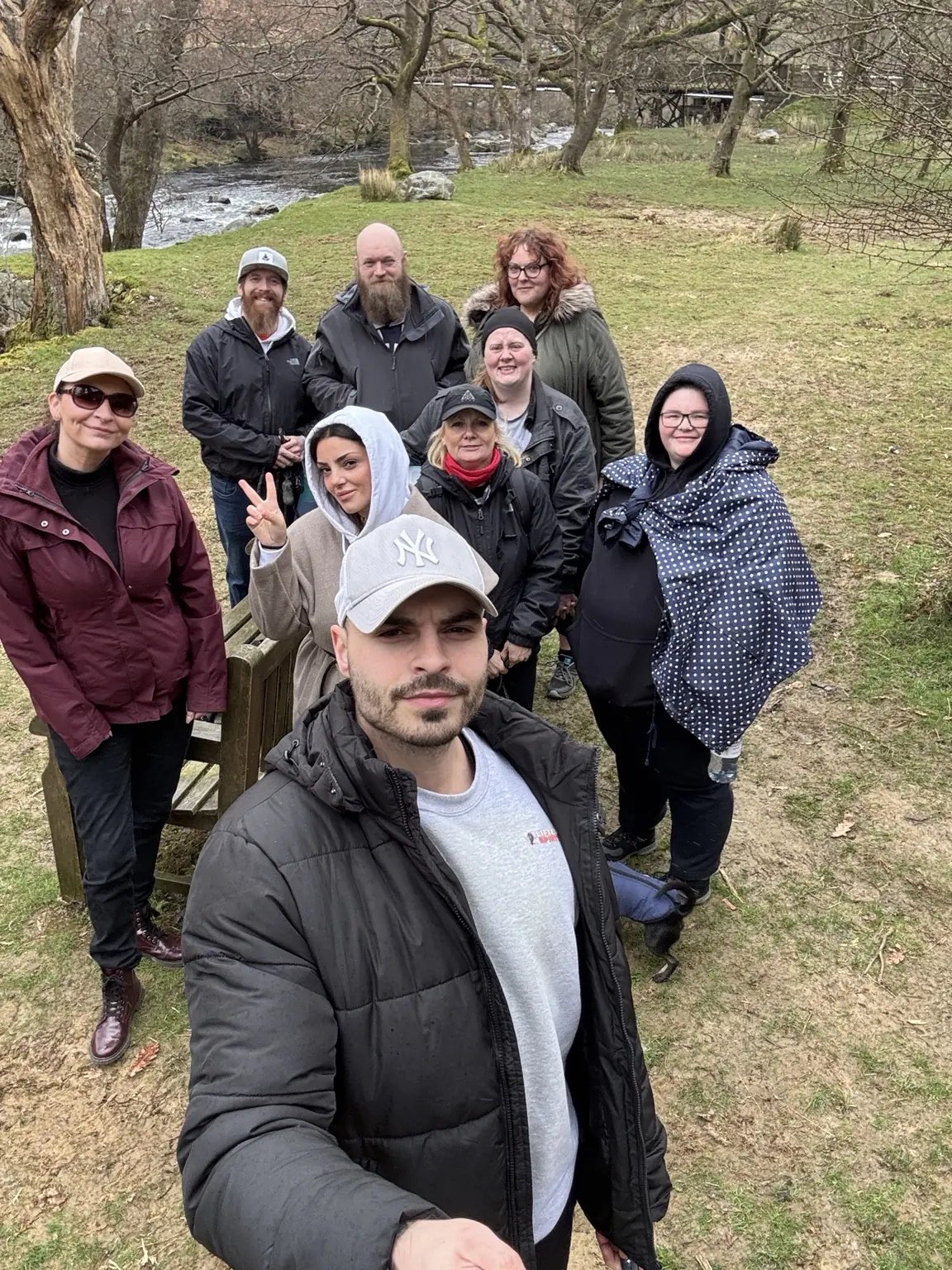
The photos above show why woodland, reservoir and open-hill days can need different choices even when they are all described as community walks.
Food should match the length and effort of the plan.
A short easy social walk may only need a snack. A longer day with more climbing can justify more food. Use the event guidance and your own normal needs rather than copying somebody else's hiking diet.
If the day includes a planned cafe, pub or meal stop, that changes what you need to carry too.
A small day bag is often enough when the checklist stays sensible.
You need enough room for the essentials and any layer you take off. A huge pack can encourage you to fill the space just because it exists.
A compact daypack makes more sense for most social day walks than buying a large hiking pack you will spend the whole day trying to fill.