
Start with the ground under your feet.
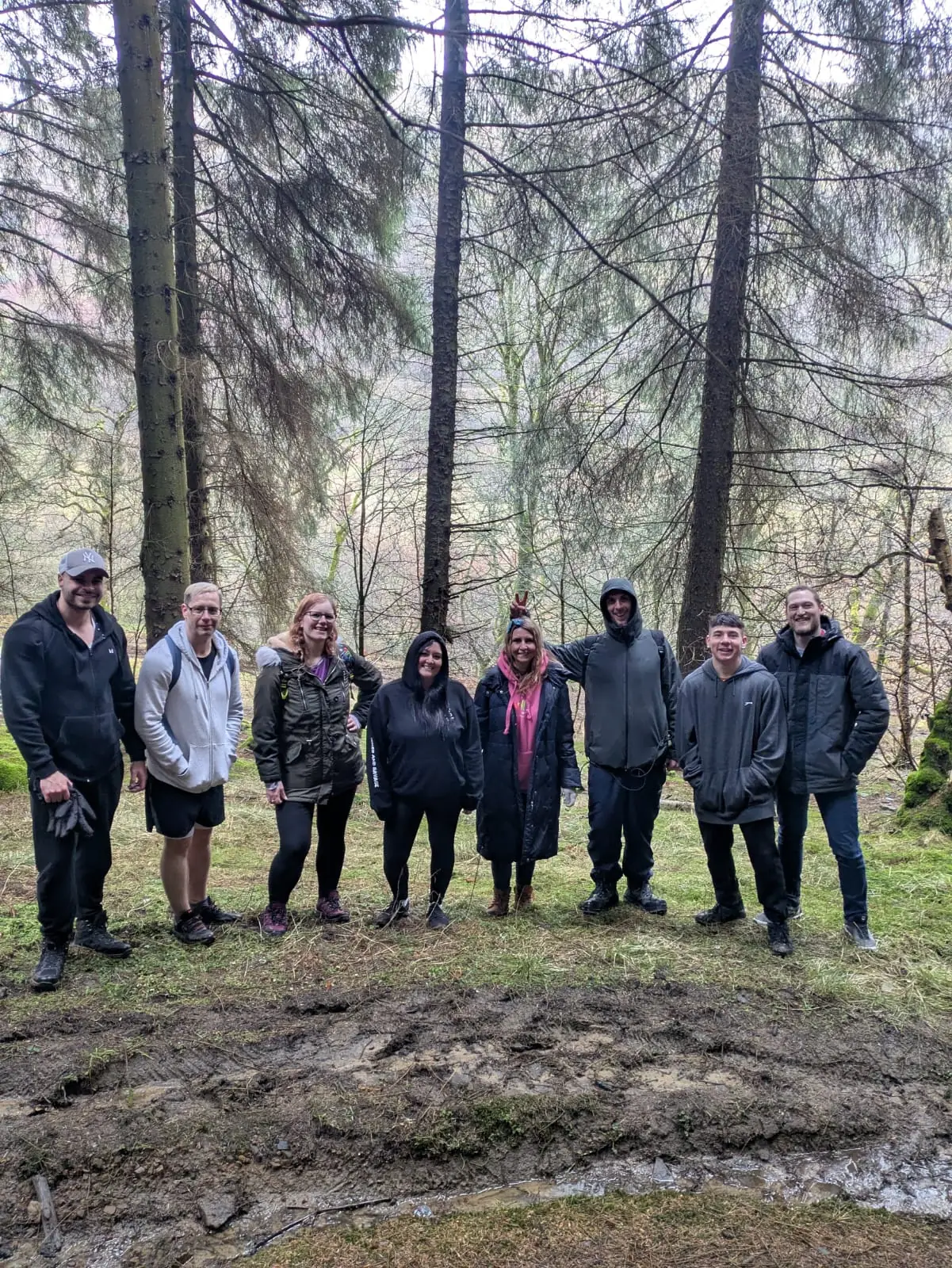
For a dry, flat and mostly paved social walk, comfortable trainers may be completely reasonable. Mud, loose rock, steep ground and wet grass increase the value of footwear with better grip and support.
Do not buy heavy boots simply because the event is outdoors. The useful question is whether your footwear is comfortable for the distance and appropriate for the surface you will actually be walking on.
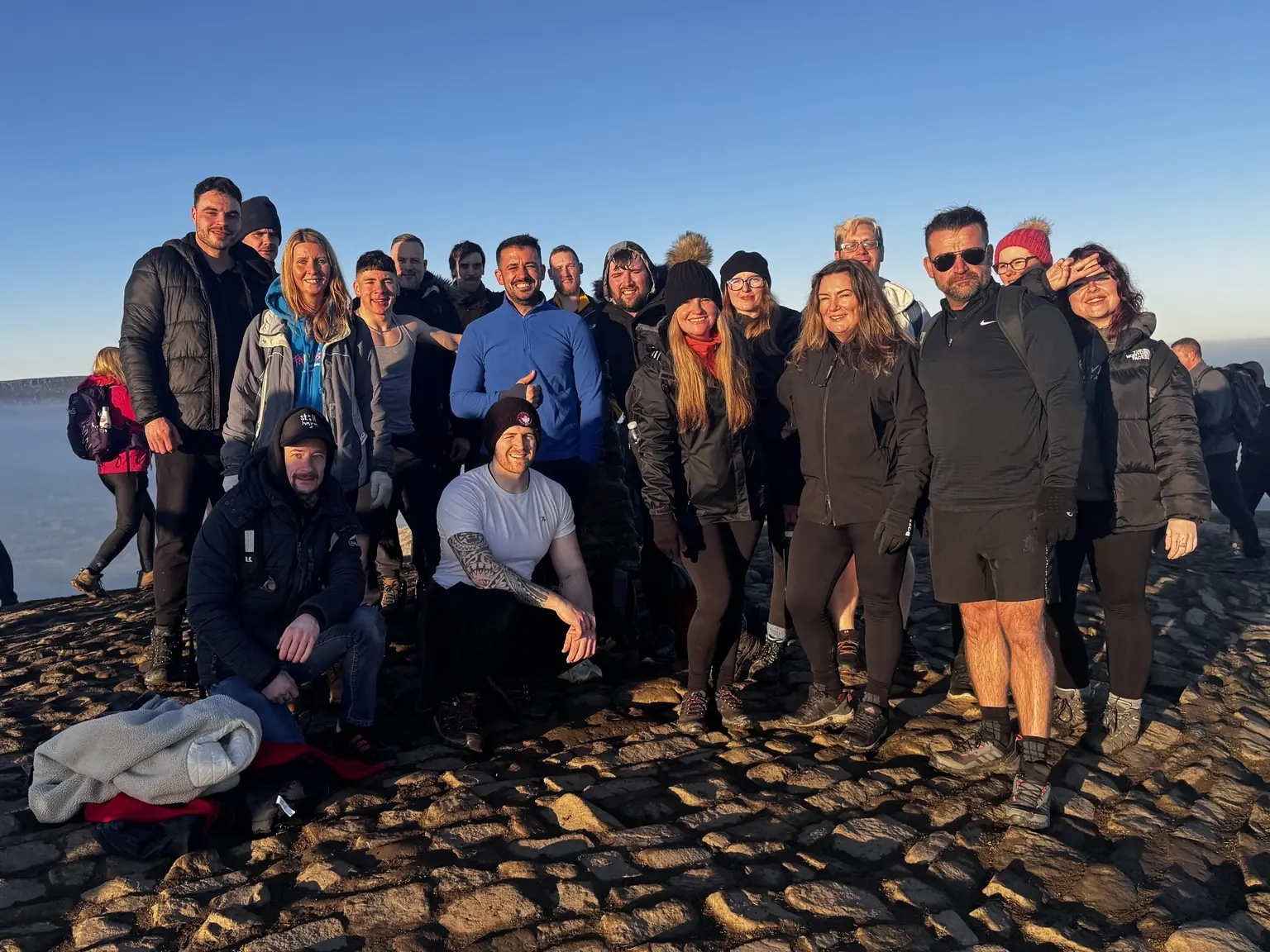
Use layers so you can change your mind halfway round.
A breathable base layer, a warmer layer when needed and a weather-resistant outer layer gives you more flexibility than one bulky item. You can remove or add a layer as the pace, wind and temperature change.
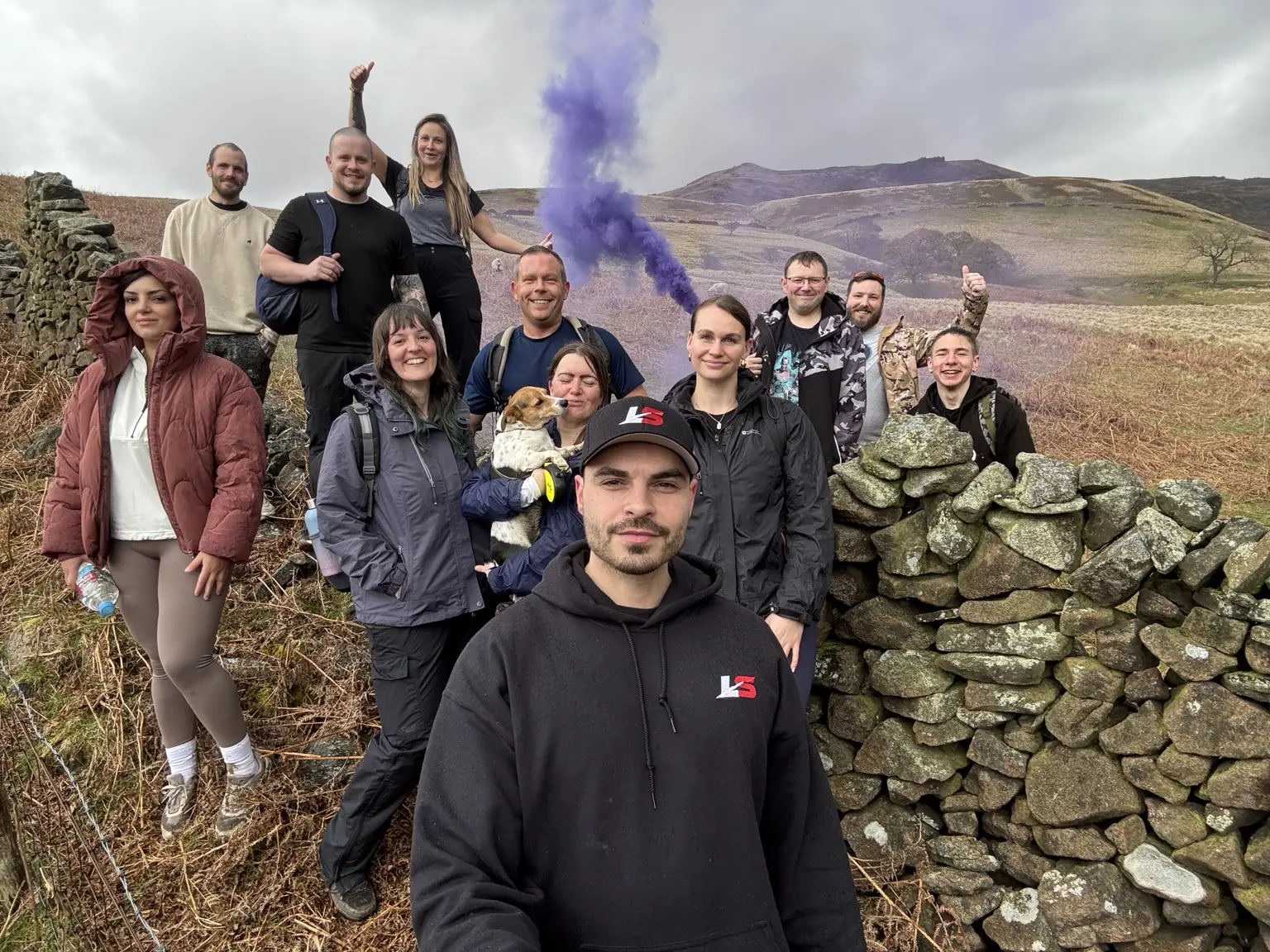
For exposed or changeable routes, a lightweight waterproof outer layer can be much more useful than carrying an umbrella while trying to walk with a group.
Bring a small bag for the boring things that make the day easier.
Water, any personal medication, a spare layer, weather protection and whatever food the event information recommends are usually more useful than filling a backpack with outdoor gadgets.
A bag also means you can take a layer off without tying half your wardrobe around your waist for the rest of the route.
Where spending more can make sense, and where it often does not.
If you expect to join regular muddy or hill walks, footwear and a reliable waterproof layer are the areas where better fit and durability can matter most. Buy for repeated use rather than for one photograph-worthy event.
You do not need a matching technical outfit to belong in a walking group. The useful kit is the kit that keeps you comfortable enough to take part in the specific route safely.