


Walking footwear · group walks · real route conditions

Walking shoes or boots? Choose for the route, not the hiking label

A social walk does not automatically require heavy boots. The useful choice depends on grip, fit, distance, mud, rock, weather and how much support you personally prefer. Start with the actual route, then buy only if your current footwear leaves a real gap.

Grip firstWet grass and rock expose poor soles quickly
Fit beats brandComfort over the real distance matters most
Buy for repeat useOne social walk rarely needs a whole new kit list
01

Trainers can be enough for easy, dry and mostly paved routes.

If the event is short, flat and on predictable surfaces, a comfortable pair of supportive trainers may be completely reasonable. The fact that people are meeting outdoors does not automatically turn the day into a technical hike.

The point is to match the shoe to the ground. If your normal footwear already gives you enough comfort and grip for the route, there is no prize for buying heavier boots.

02

Mud, loose ground and wet rock change the decision.

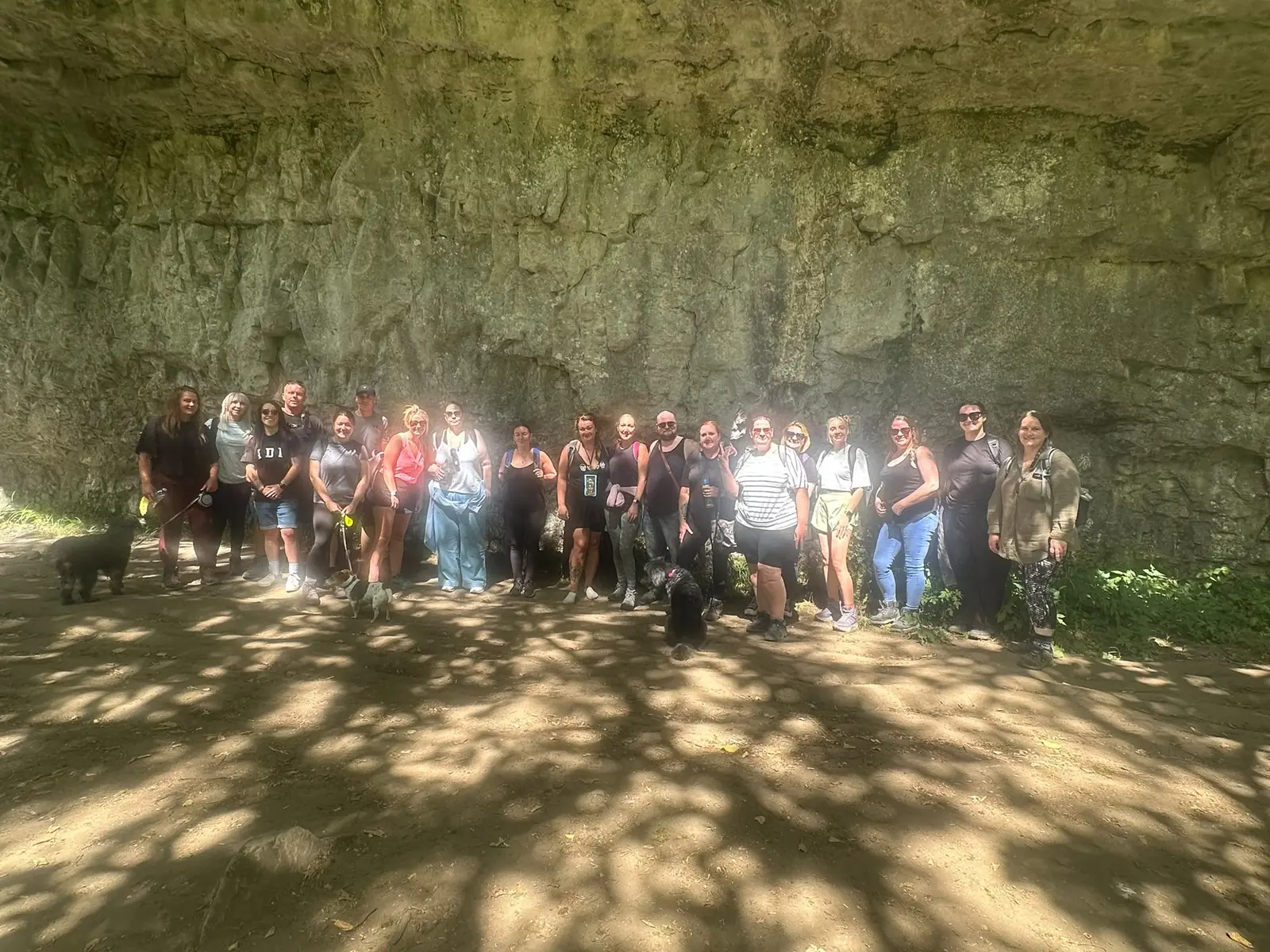
The Ladybower, Chee Dale and Peak District photos above show why generic 'walking outfit' advice can be useless. Mud and rock ask much more of a sole than a pavement does.

For those conditions, deeper grip, a secure fit and footwear designed to stay stable on uneven ground become much more valuable.

03

Waterproof footwear is useful when the route is likely to stay wet, not because waterproof sounds premium.

A waterproof membrane can help in wet grass, shallow mud and prolonged rain. It can also make footwear warmer and slower to dry from the inside if water gets in over the top.

Think about the conditions you expect to walk in regularly rather than treating waterproofing as an automatic upgrade.

04

Try fit properly before chasing reviews and star ratings.

Heel movement, toe room, width and how the shoe feels on slopes matter more than a product winning a generic best-buy list. If possible, try footwear with the socks you actually plan to walk in.

The options below are examples for regular wet and uneven walking, not a claim that one shoe fits everybody. Use them as a shortlist only after the route gives you a reason to buy.

Useful options, not compulsory kit

Two proven-style trail options worth comparing if your current trainers are the weak link

Both are waterproof trail shoes rather than heavy traditional boots. They make the most sense for members expecting repeated wet, muddy or uneven walks. If you mainly join dry, flat social routes, keep your money.

As an Amazon Associate I earn from qualifying purchases. Recommendations are selected for fit and usefulness, not commission.

Comfort-first all-rounder

Merrell Moab 3 GORE-TEX

A well-established waterproof hiking shoe with a grippy Vibram outsole. A sensible comparison point when you want more traction and weather protection without moving into a heavy boot.

  • Wet grass, muddy paths and mixed trail surfaces
  • People who prefer a roomier, traditional hiking-shoe feel
  • Regular community walks rather than one-off kit buying

Skip this if: your current trainers already handle the easy routes you attend, or you prefer a lighter, closer-fitting trail shoe.

See product on Amazon
Lighter trail-shoe feel

Salomon X Ultra 360 GORE-TEX

A waterproof hiking-shoe option for people who prefer a more athletic trail-shoe style. Worth comparing against the Moab rather than assuming a heavier-looking shoe is automatically safer.

  • Mixed paths where grip matters but you still want a lighter feel
  • People used to trainer-like footwear
  • Repeat day walks in changeable UK weather

Skip this if: you know you prefer a wider traditional hiking fit, need a boot-style ankle cuff, or only attend straightforward dry routes.

See product on Amazon

Important distinction

Footwear cannot make an unsuitable route suitable for you.

Use the event's terrain, distance, pace and weather information first. Choose a walk that fits your ability, then choose footwear that fits the walk.

Read our community and safety terms

Common questions

Useful answers before you move on.

Do I need hiking boots for a social walking group?

No. Easy, dry and paved routes may be fine in comfortable supportive trainers. Boots or trail footwear become more useful as mud, rock, steep ground and prolonged wet conditions increase.

Are waterproof walking shoes worth it?

They can be useful if you regularly walk in wet grass, mud or rain. They are not automatically better for every route, especially in warm weather or when water can enter over the top.

Should walking footwear feel tight?

It should feel secure without crushing your toes or creating pressure points. Your feet can swell during longer walks, so comfort over time matters more than a very tight initial fit.

Start at your own pace

Pick the social plan first. Then decide whether your feet actually need an upgrade.

Join Lifted Spirits free, see the current meet-ups and buy footwear for real routes you expect to walk more than once.

Create your free account