
Build warmth in layers you can change during the day.
A group walk often alternates between moving, waiting, stopping for food and standing around while people regroup. One huge warm coat can be awkward if you overheat while walking and then chill when everybody stops.
A base layer, useful mid-layer and weather-resistant outer layer give you more control. The exact combination depends on temperature, wind, rain and how hard the route makes you work.
Winter daylight changes the margin for delays.
A route that feels comfortably timed in summer can become much less forgiving when darkness arrives early. Check the planned duration, start time and current event guidance rather than assuming the group will always be back before dark.
For routes where reduced daylight is genuinely relevant, a small light source can be sensible backup. That is very different from pretending every daytime park walk requires technical night-hiking equipment.
Hot drinks and spare warmth are comfort tools, not entry requirements.
A flask can make a cold stop much nicer and a dry spare layer can help after persistent rain, but neither is a membership requirement. Use what you already own before upgrading because an outdoor checklist told you to.
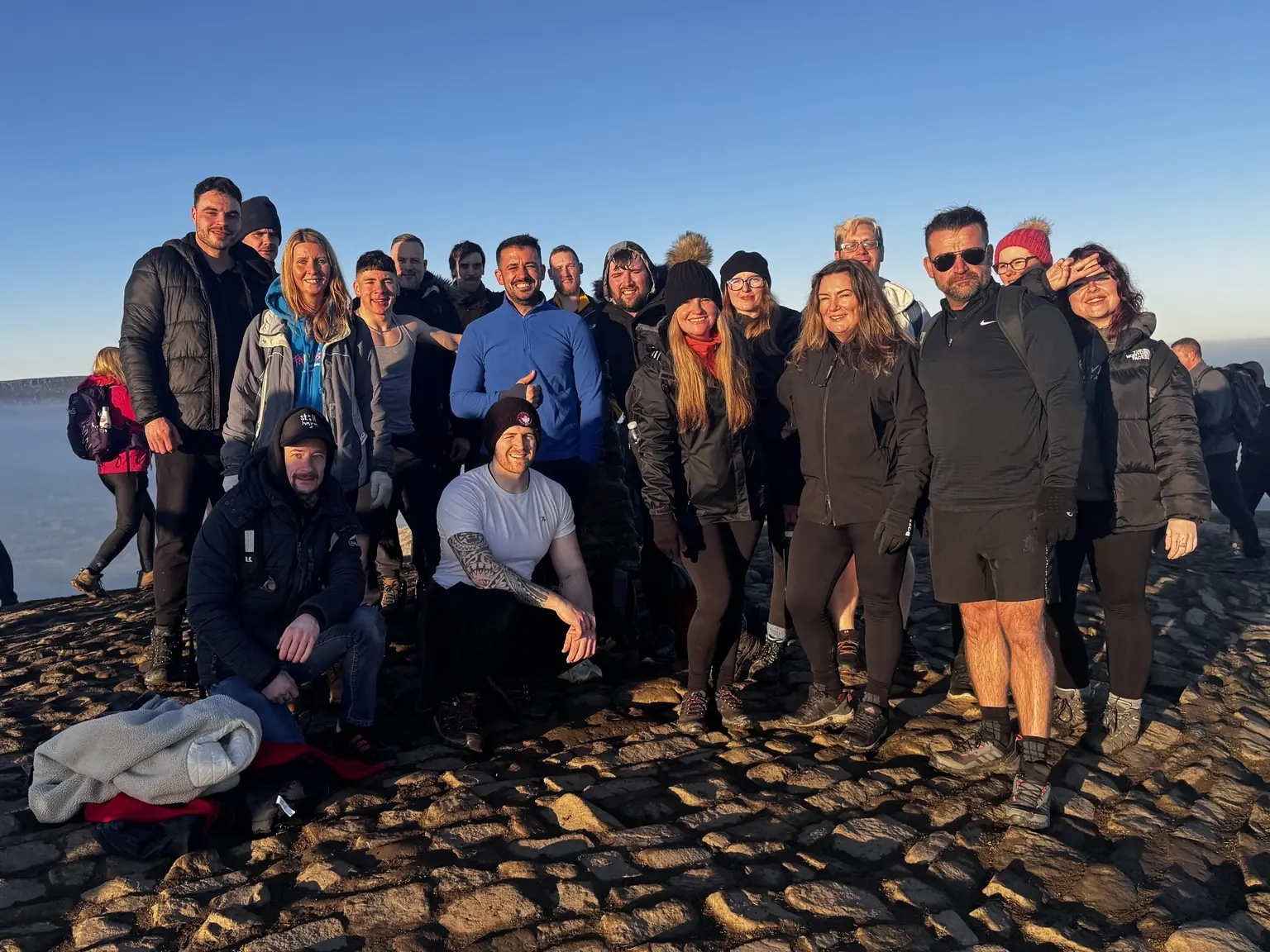
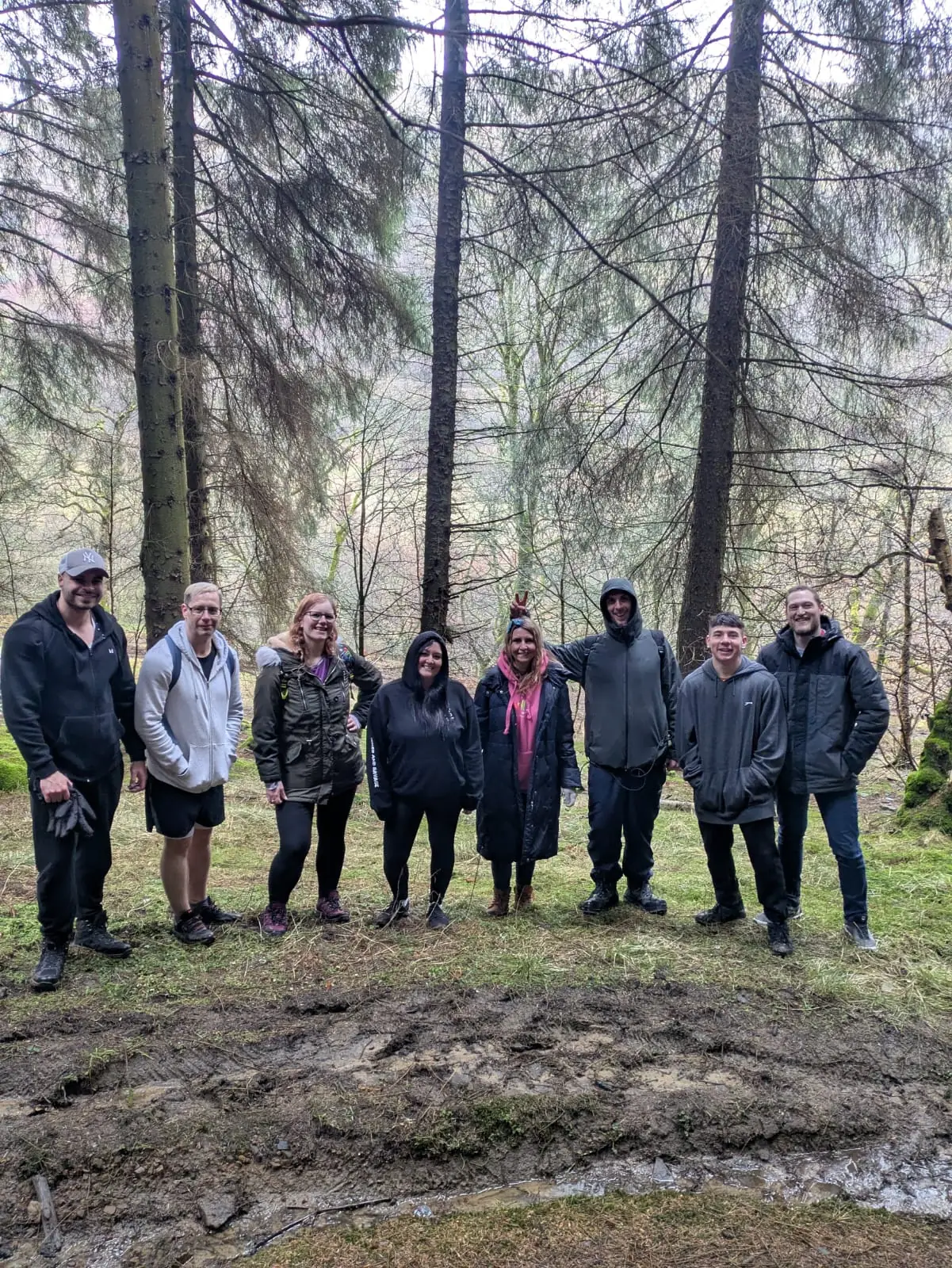
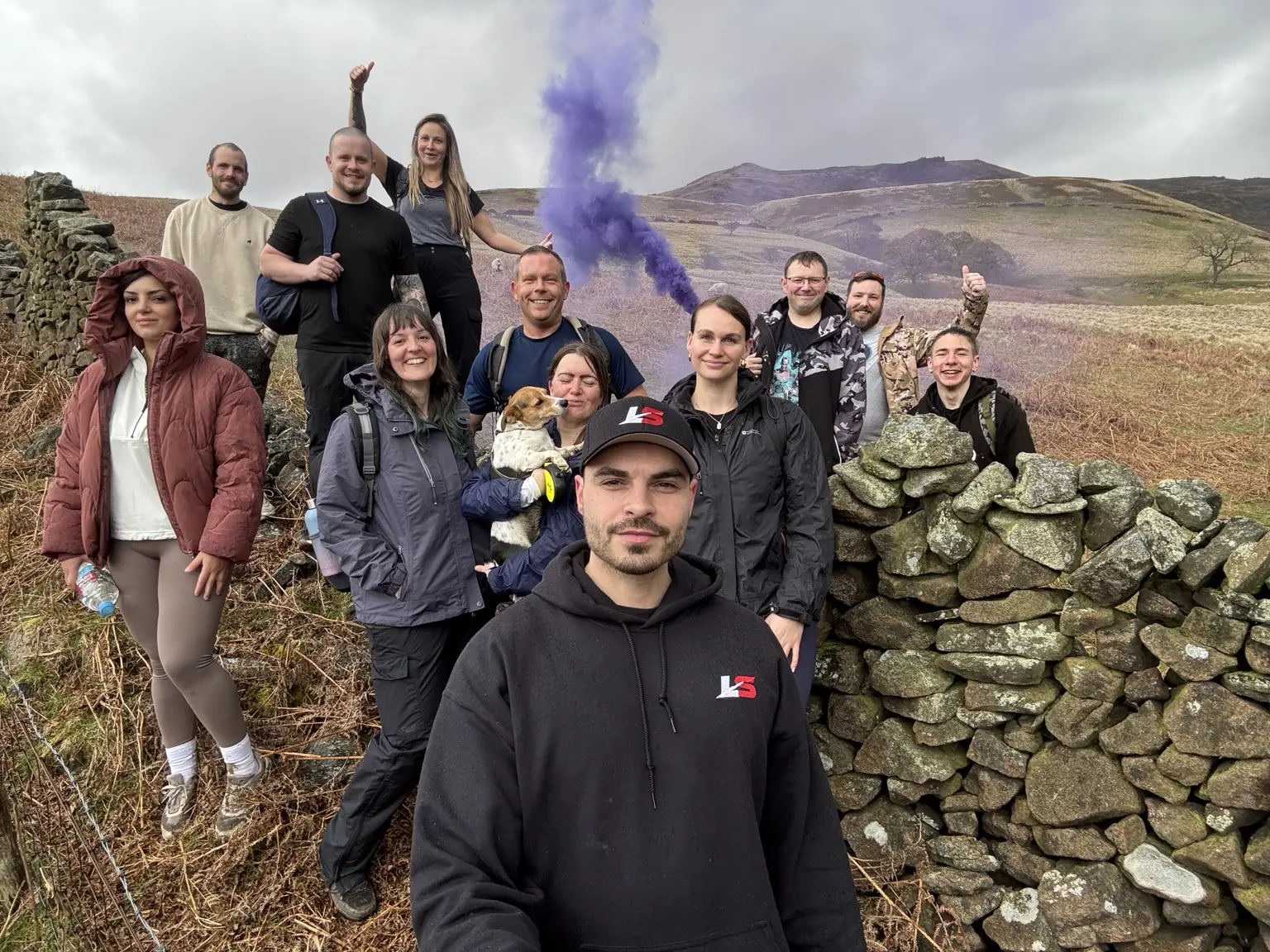
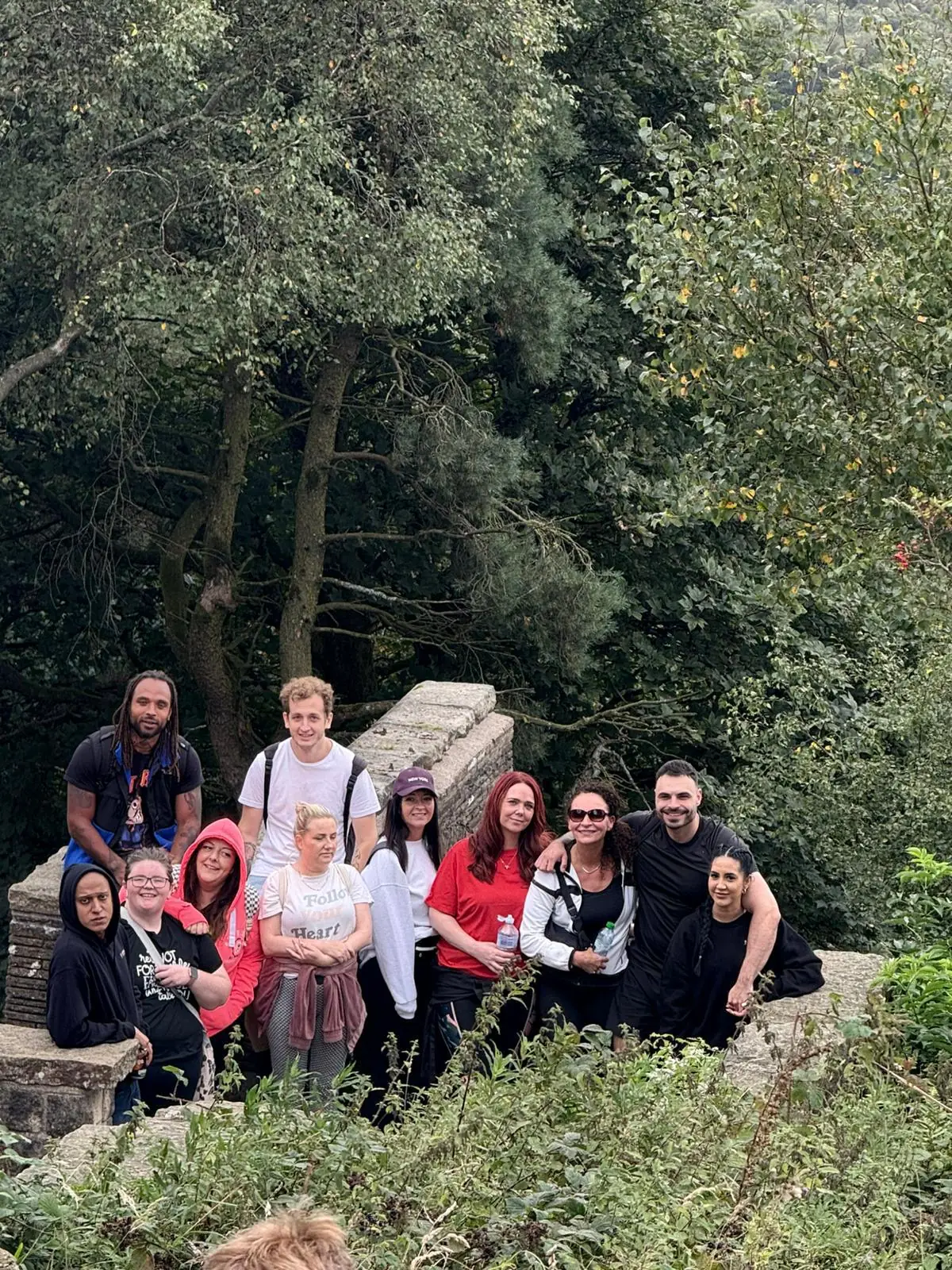
The real community photographs above show that winter-looking conditions vary massively. Match preparation to the actual plan you are attending.