Toxic relationships · behaviour, safety and recovery

You do not need the perfect label for a relationship before you can take harmful behaviour seriously.

People search 'toxic relationship', 'narcissist', 'gaslighting', 'love bombing' and 'hoovering' because they are trying to make sense of confusing behaviour. These guides meet that language without turning internet labels into diagnoses. Where the pattern may involve abuse or coercive control, specialist safety support comes before products or generic breakup advice.

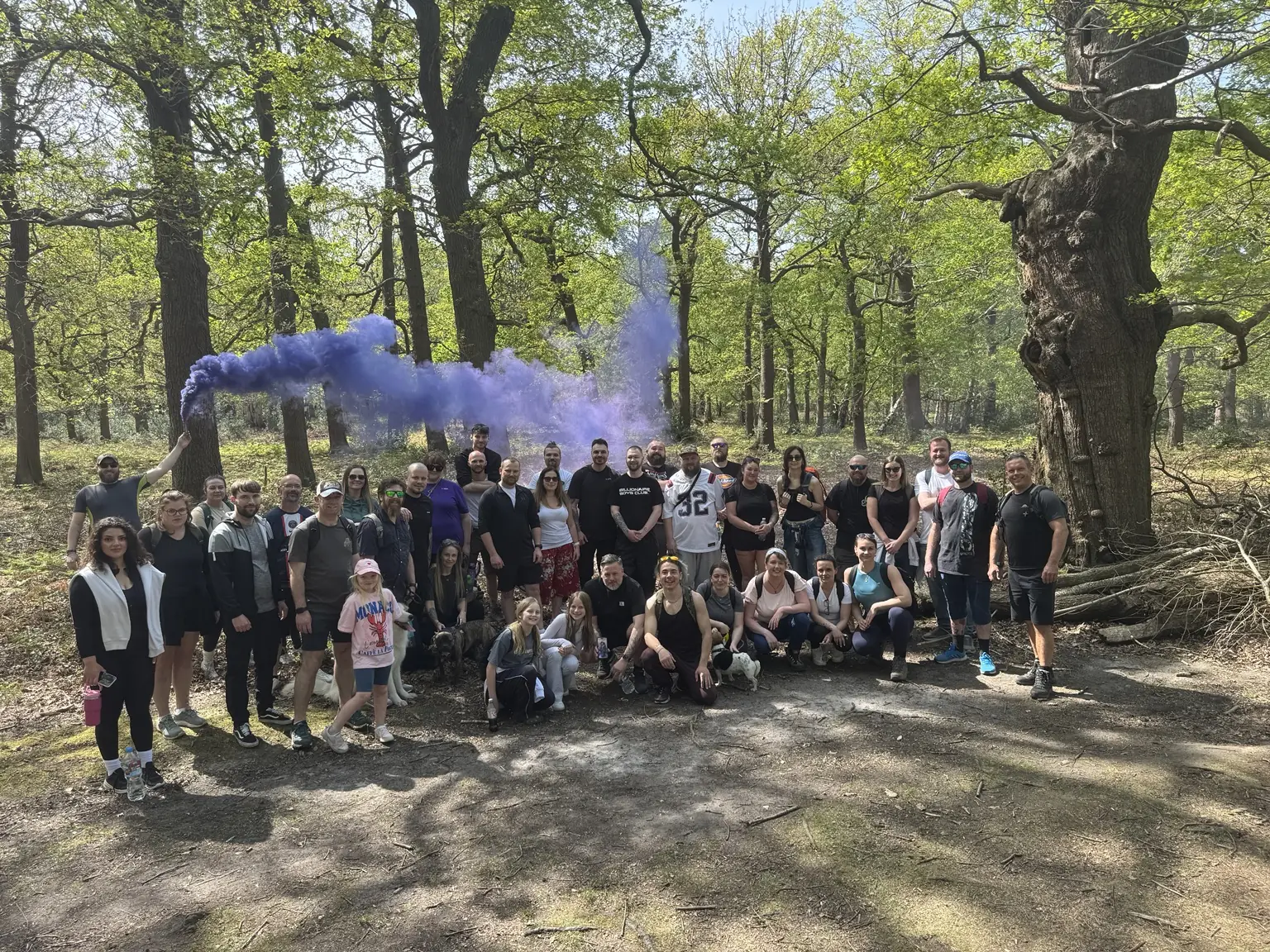
Real Lifted Spirits community members connecting in person
Lifted Spirits combines online community, shared interests and real-world connection. Public editorial imagery uses real community photography where it fits rather than staged or generated meet-up scenes.
BehaviourName what actually happened
SafetySpecialist support comes first
RecoveryRebuild life beyond the relationship
01

Start with the pattern you recognise, not the label you think you need.

Control, gaslighting, repeated boundary violations, post-breakup contact, guilt and loss of confidence create different practical problems. Each guide has one job so the answer can be specific rather than a generic list of 'red flags'.

Some pages deliberately contain no affiliate recommendation. If the person may still be in a controlling or abusive situation, recognising the pattern and reaching specialist support is more important than monetising the visit.

02

'Toxic' and 'narcissist' are common search terms, not substitutes for precise assessment.

'Toxic relationship' is informal. 'Narcissist' is often used online much more broadly than a clinical diagnosis of personality disorder. We use those search terms because that is how people look for help, then bring the content back to observable behaviour, impact, boundaries and appropriate support.

A harmful relationship does not need a personality-disorder diagnosis to matter, and a personality-disorder diagnosis does not automatically mean somebody is abusive.

03

Use the right layer of support for the problem in front of you.

A book can help with boundaries. A peer community can help with loneliness, social rebuilding and identity after a breakup. Neither is a substitute for specialist domestic-abuse support when somebody is frightened, controlled or unsafe.

Lifted Spirits belongs in the recovery and reconnection layer: helping adults rebuild ordinary human connection around the specialist support they may need elsewhere.

Important distinction

Specialist domestic-abuse support comes before community or commercial recommendations.

If you feel frightened, controlled, monitored, threatened or unsafe, contact a specialist service such as Refuge or Women's Aid. If there is immediate danger, seek emergency help. Lifted Spirits is a friendship and peer-support community, not a domestic-abuse service.

Read our community and safety terms

Common questions

Useful answers before you move on.

Is a toxic relationship the same as an abusive relationship?

No. 'Toxic relationship' is an informal and very broad phrase. Domestic abuse and coercive control have more specific meanings. If there is fear, intimidation, isolation, monitoring, threats, financial control or other abuse, use specialist guidance rather than relying on a generic toxic-relationship label.

Can Lifted Spirits tell me whether my partner is a narcissist?

No. Lifted Spirits does not diagnose people. Our content focuses on observable behaviours and recovery. Clinical personality-disorder diagnosis belongs with qualified professionals.

Why do some pages not contain affiliate products?

Because commercial recommendations are not appropriate in every context. When a page concerns active control, abuse or safety, specialist support takes priority. Product recommendations are limited to recovery tasks such as boundaries, reflection or rebuilding confidence where they genuinely fit.

Start at your own pace

Recovery can include rebuilding a social world that is not organised around one relationship.

Join Lifted Spirits free for friendship and peer connection while you rebuild routines, interests and confidence. If abuse or safety is involved, use specialist services alongside or before community support.

Create your free account