
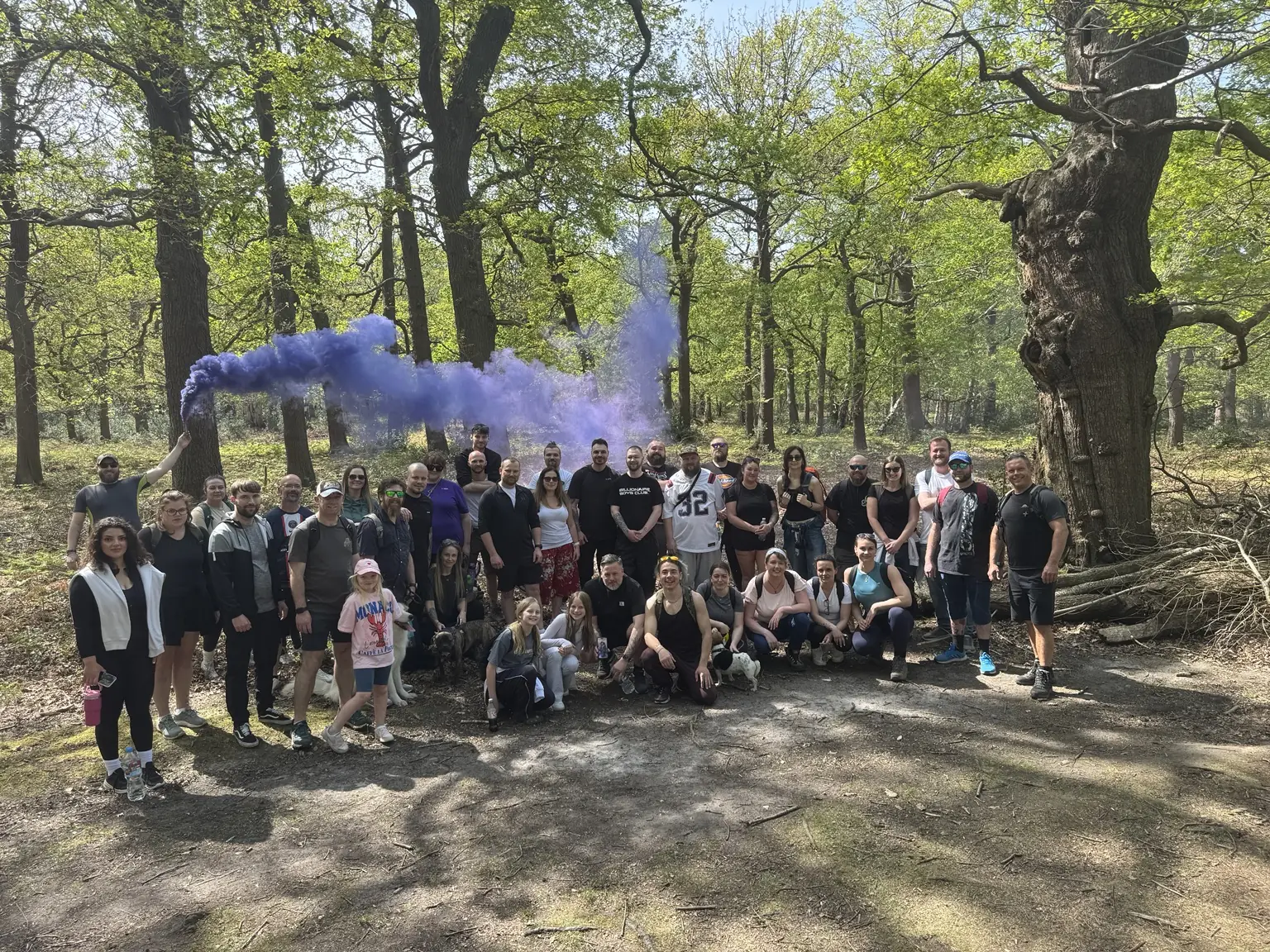
Start with low-stakes decisions and stop asking for permission afterwards.
Choose the meal, route, clothes, film, gym session or weekend plan without checking whether someone else would approve. Small choices are useful because you get repeated evidence that a decision can simply belong to you.
Do not demand that every choice be perfect. Confidence grows from surviving ordinary imperfect decisions, not from proving your judgement never makes mistakes.
Reconnect with people the relationship pushed to the edges.
Control often narrows social life. You may have drifted from friends because contact caused arguments, because you were exhausted or because explaining the relationship felt embarrassing. Reconnection can be uncomfortable, but one honest message is enough to start.
You do not have to give everybody the full story. 'I went quiet for a while and I would like to reconnect' can be a complete first step.
Separate your self-description from the labels you repeatedly heard.
If you were often called selfish, dramatic, difficult, too sensitive or incapable, those words can remain in your internal monologue after the person is gone. Ask whose voice the statement sounds like and what evidence exists outside the relationship.
A therapist can help when psychological abuse has deeply affected self-esteem or trust in your own perception. Peer support can add ordinary relationships in which you are known differently.
Build competence as well as confidence.
Do things that produce evidence: learn something, train, cook, organise a trip, volunteer, complete a project, return to a hobby. Confidence built from action is often steadier than trying to think yourself into feeling worthy.
A self-development book can provide prompts and language, but choose actions that exist outside the book so progress becomes visible in your real life.
Expect social freedom to feel strange before it feels normal.
Going out without reporting your location, talking to whoever you want or making a plan without checking can initially trigger guilt or vigilance. That discomfort can be residue from the previous pattern rather than a sign you are doing something wrong.
Choose safe people and repeat ordinary freedom. Familiarity matters.
Use specialist and professional support for the damage a community cannot treat.
If you experienced domestic abuse or coercive control, specialist organisations can help with safety, legal issues and recovery support. If anxiety, trauma symptoms or depression are affecting daily life, qualified mental-health support may also be appropriate.
Lifted Spirits can provide friendship and peer connection around that support, not replace it.