
Toxic relationships · practical recovery guide

You left because the relationship was hurting you. So why do you feel guilty for choosing yourself?

Guilt after leaving can sound like: maybe I gave up too soon, maybe they needed me, maybe I caused this, maybe leaving proves I never loved them. Those thoughts can be especially strong after a relationship where your needs were repeatedly treated as selfish or your boundaries caused conflict.

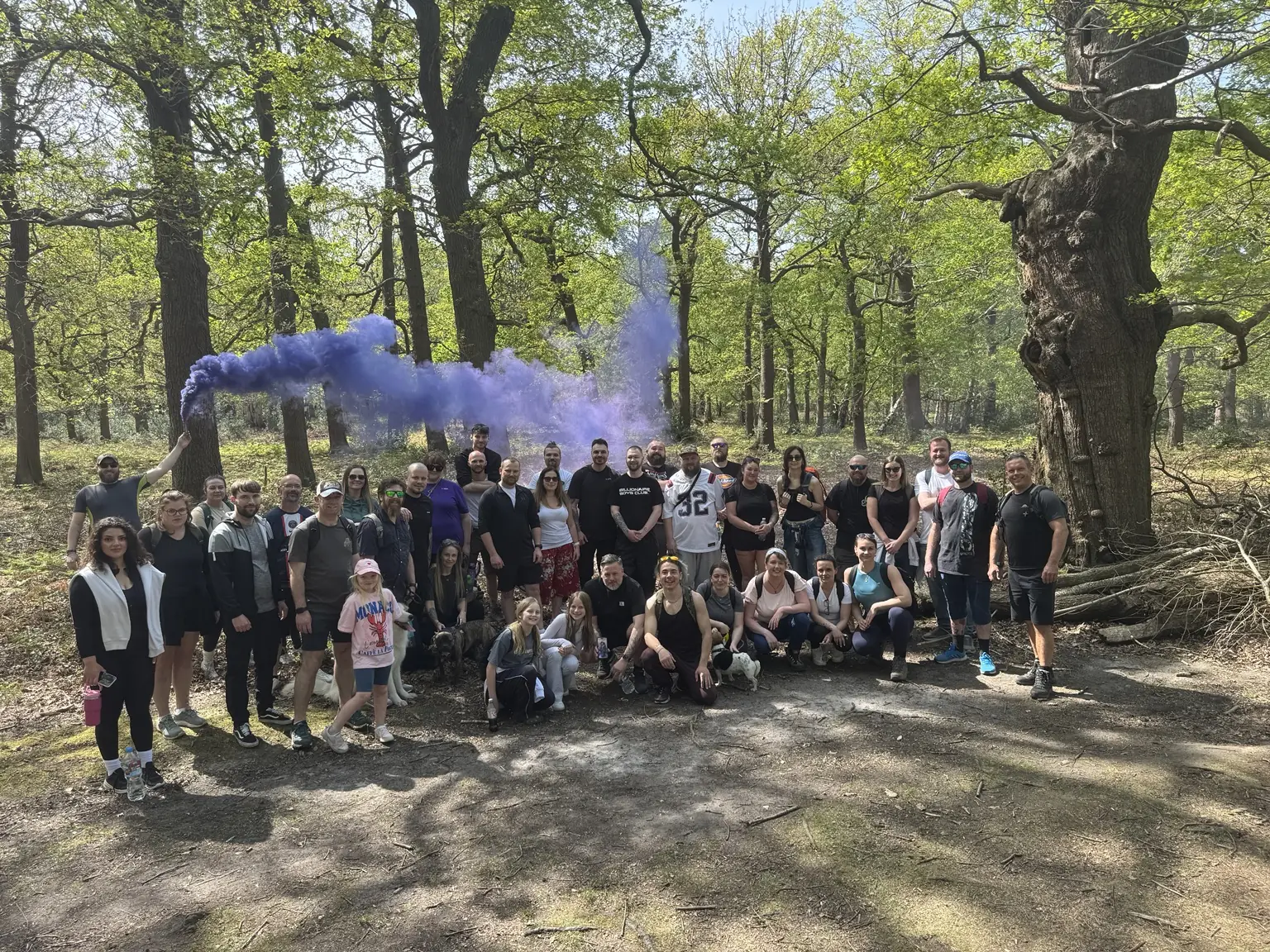
Real Lifted Spirits community members connecting in person
Lifted Spirits combines online community, shared interests and real-world connection. Public editorial imagery uses real community photography where it fits rather than staged or generated meet-up scenes.
ReasonRemember why you left
ResponsibilityTheir feelings are not your sentence
BoundaryGuilt can exist without reversing the decision
01

Guilt is a feeling, not proof that leaving was wrong.

You can feel guilty because another person is hurt, disappointed or angry even when your decision was necessary. Empathy does not require returning to a relationship that damaged your wellbeing or safety.

Before treating guilt as evidence, write the specific reasons you left and the pattern that existed before the breakup. Compare those facts with the accusation your guilt is making today.

02

Notice whether you were trained to treat boundaries as cruelty.

If saying no routinely led to sulking, threats, accusations, withdrawal or punishment, holding a boundary after leaving can feel unusually harsh. Your nervous system may expect consequences even when you are no longer doing anything wrong.

Women's Aid identifies emotional manipulation and coercive control as behaviours that can make someone alter themselves to keep a partner happy. Recovery can include relearning that another adult's disappointment is not automatically your responsibility.

03

Do not confuse an apology with an obligation to restart the relationship.

A former partner may apologise sincerely, promise change or describe how badly they are coping. You can acknowledge what they say without agreeing to resume contact, provide emotional care or return.

If the relationship involved abuse or coercive control, post-separation behaviour can be part of the wider pattern. Use specialist advice where safety is relevant.

04

Write the boundary in behavioural terms so guilt cannot renegotiate it every day.

Examples might be: I will not discuss the relationship after 9pm; I will only communicate about practical matters; I will not respond to insults; I will use a third party for necessary arrangements. The right boundary depends on your situation and safety.

A boundaries book can help with the emotional difficulty of holding limits, but it should never replace specialist safety planning where abuse is involved.

05

Let compassion point outward without turning it into self-abandonment.

You can hope somebody gets help. You can be sad that the relationship ended. You can care that they are hurting. None of those feelings require you to be the person who fixes the consequences for them.

Ask what compassion toward yourself would require in the same situation: rest, distance, support, stability, reconnecting with people or simply not reopening an argument you have already lived through repeatedly.

06

Use specialist support if guilt is being reinforced through threats or intimidation.

If an ex threatens you, threatens self-harm to force contact, monitors you, intimidates you or uses other forms of control, do not manage the situation alone because you feel responsible for them.

Specialist domestic-abuse services can advise on safety and coercive behaviour. Lifted Spirits can be part of your wider social support, not the specialist response.

OPTIONAL PRACTICAL SUPPORT

Optional support for the recovery work around this problem

Product recommendations appear on recovery and boundary pages only where they support a specific practical task. They are never a substitute for specialist domestic-abuse, legal, safeguarding or mental-health support.
Set Boundaries, Find Peace by Nedra Glover Tawwab book cover
AFFILIATE RECOMMENDATION

Set Boundaries, Find Peace — Nedra Glover Tawwab

Recommended because it matches this page's specific problem, not because buying something is a substitute for support, professional care or doing the underlying work.

See product on Amazon

Affiliate disclosure: these product links are paid affiliate links. As an Amazon Associate I earn from qualifying purchases. Recommendations are editorial choices and do not guarantee a particular outcome.

Important distinction

Lifted Spirits is not a domestic-abuse, safeguarding or emergency service.

If you feel frightened, controlled, monitored, threatened or unsafe, use a specialist domestic-abuse service such as Refuge or Women's Aid and seek emergency help if there is immediate danger. Lifted Spirits can provide friendship and peer connection around recovery, but specialist safety, legal and clinical support remain separate.

Read our community and safety terms

Common questions

Useful answers before you move on.

Is it normal to feel guilty after leaving a toxic relationship?

It can happen, especially when you still care about the person, were used to prioritising their feelings or experienced manipulation around boundaries. Feeling guilty does not by itself mean leaving was the wrong decision.

What if my ex says I abandoned them when they needed me?

You are not required to remain in a harmful or unsafe relationship to provide emotional care. If threats, coercion or abuse are involved, seek specialist support rather than trying to resolve the situation through guilt-driven contact.

Can boundaries help after a breakup?

Yes. Clear behavioural boundaries can reduce repeated renegotiation, but if the relationship involved abuse, stalking or coercive control, specialist safety advice should guide contact decisions.

Start at your own pace

You do not have to rebuild alone just because you decided not to go back.

Join Lifted Spirits free for friendship and peer support while you rebuild routines, confidence and a social life outside the relationship.

Create your free account