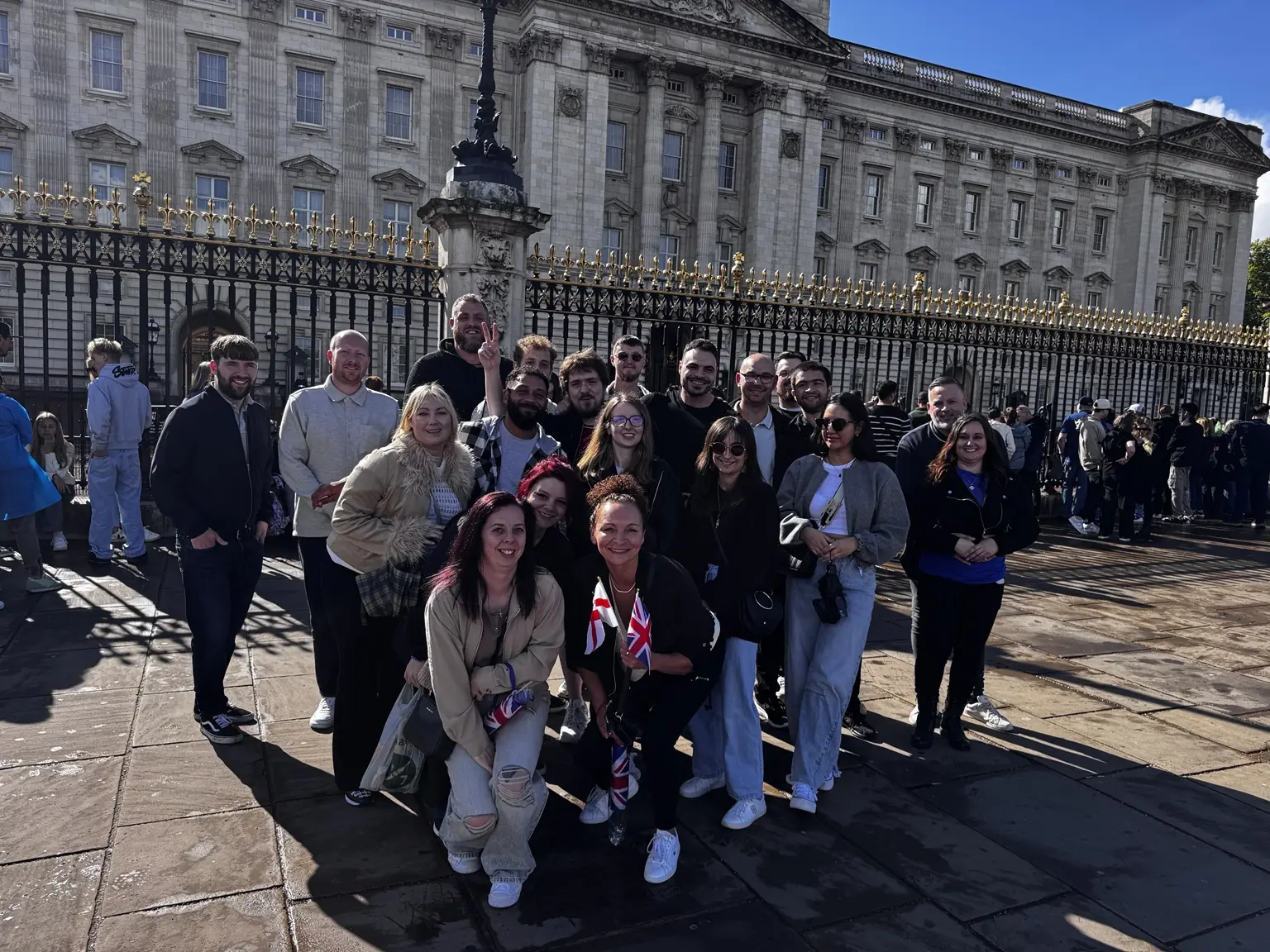
Make the first five minutes predictable.
People arriving alone often spend more energy worrying about where to stand and who to approach than the rest of the event combined. Clear member-only arrival information and a recognisable host reduce that uncertainty.
Public search pages should not publish exact live logistics, but the signed-in event experience can still make arrival straightforward for confirmed members.
Put an activity between strangers and the pressure to impress each other.
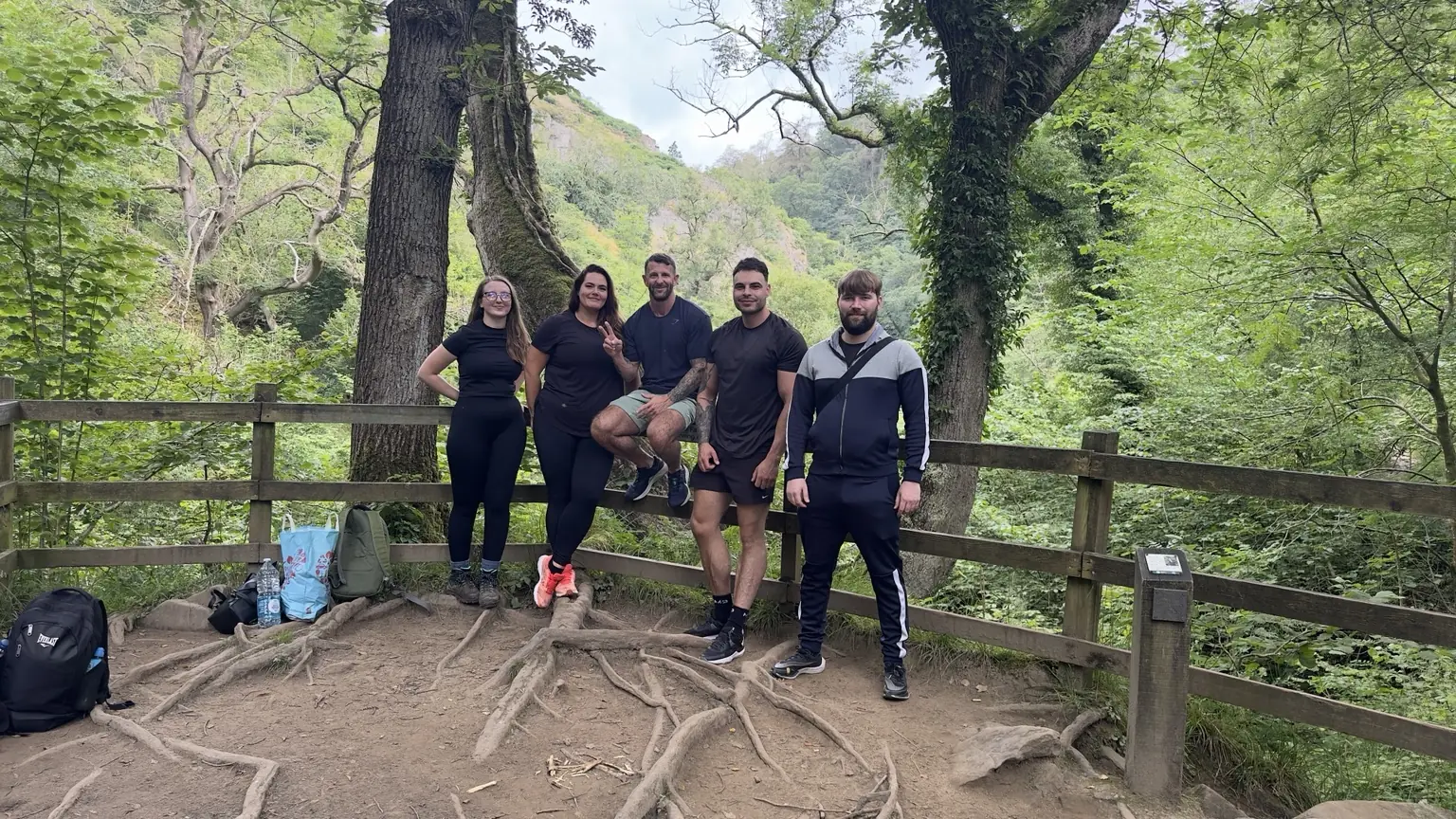
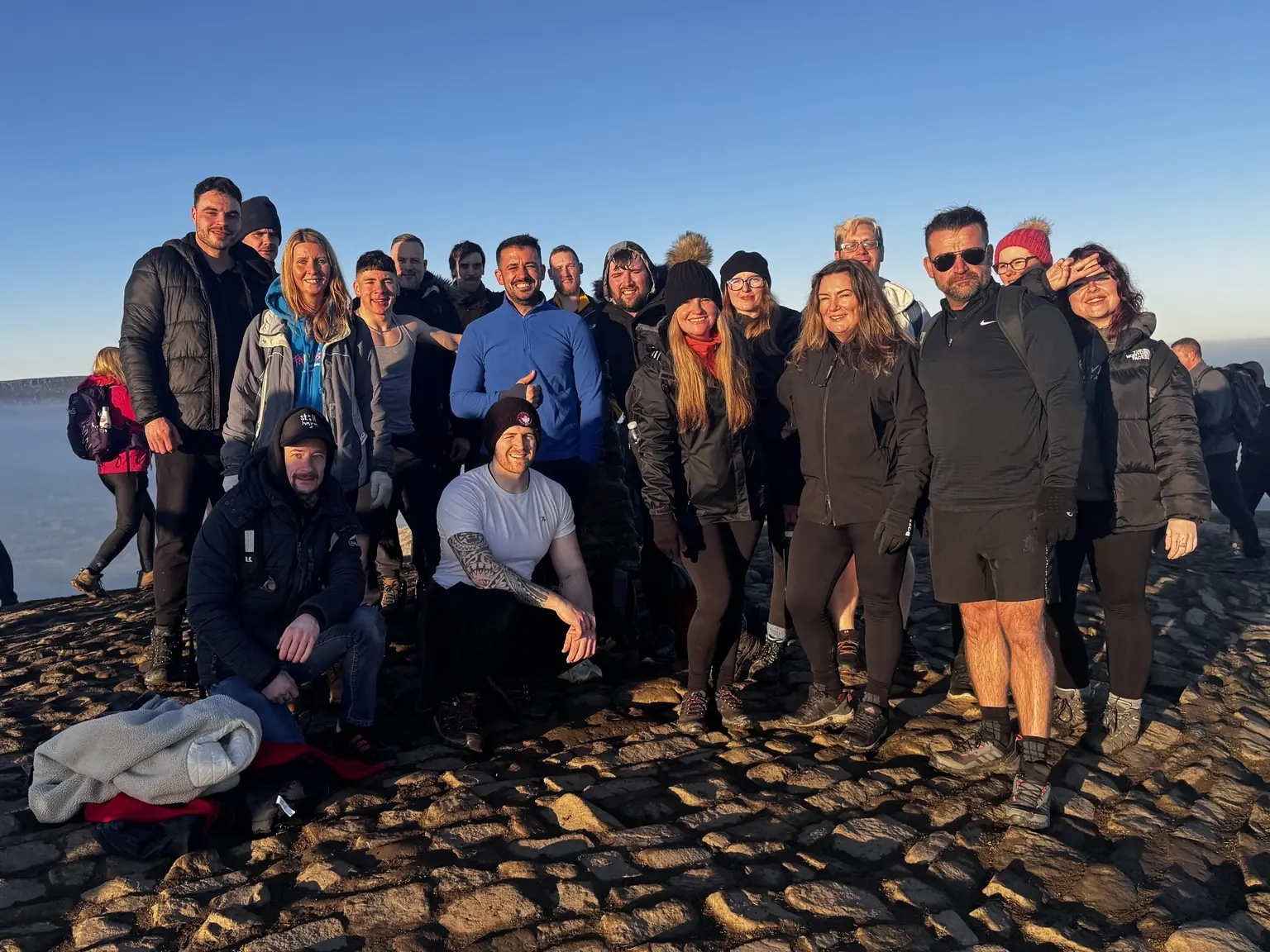
Walking, attractions, games or a simple shared plan give people natural topics and natural pauses. Silence stops feeling like failure when everybody is also doing something.
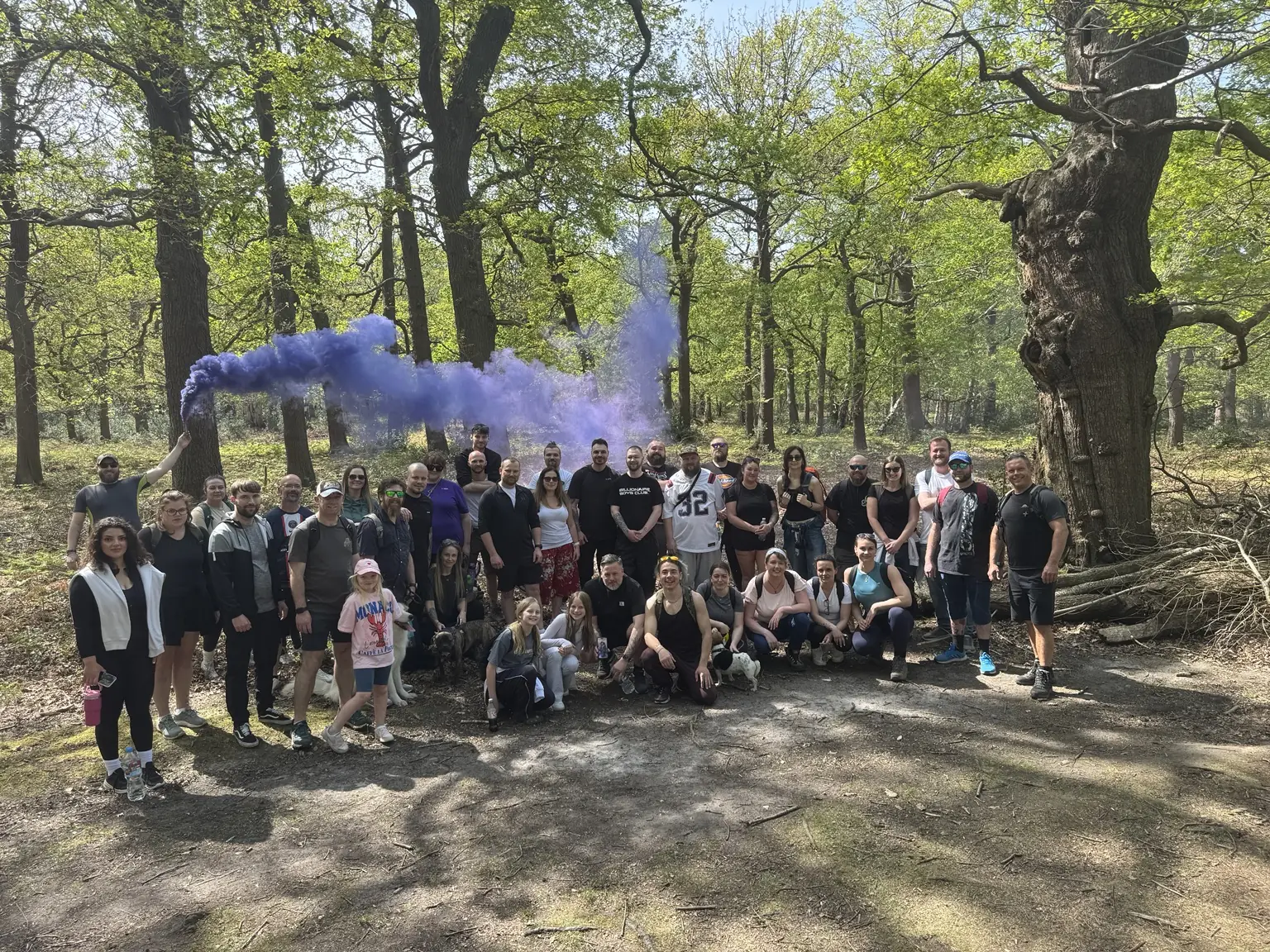
That is one reason Lifted Spirits has used very different activities rather than relying on a room full of strangers being naturally brilliant at networking.
Make smaller conversations possible inside a bigger event.
A large group can feel exciting once you know people and overwhelming when you know nobody. Formats where people can naturally talk in twos or threes make the event easier to enter without splitting the community into fixed cliques.
Hosts can help by noticing somebody who has been left on the edge without turning that person into the centre of attention.
Design for the second interaction, not only the first event.
Friendship rarely appears because one event was perfectly facilitated. It grows when names become familiar and people have another reason to interact.
The online community between plans is part of that design. Somebody can recognise a person from the walk later without needing to exchange contact details during the event itself.