


New groups · easy games · lower-pressure socialising

Easy games for a new group that do not make everybody perform

A game can help a new group settle because it gives everyone a shared focus. It can also make the room worse if the rules take twenty minutes, somebody has to perform in front of strangers or the whole thing becomes aggressively competitive. Choose games that reduce social pressure rather than creating a new kind of it.

Quick rulesPeople should be playing before attention drifts
Shared focusThe game carries some of the conversation
Easy opt-outNobody should need to perform to belong
01

The best first game is easy to understand from watching one round.

New groups already have enough cognitive load from names, faces and conversation. A simple card or observation game works because late arrivals and quieter members can understand what is happening without a lecture.

Familiar games can be useful for the same reason: nobody has to prove they are clever enough to learn the rules quickly.

02

Avoid formats where embarrassment is the main entertainment.

Forced acting, personal confessions or putting one new person on the spot can turn an icebreaker into a reason not to come back. The game should give people something to share, not make vulnerability compulsory.

Team formats can help when they let people contribute at different levels instead of making every turn a solo performance.

03

Use games to start connection, not to dominate the event.

A game is a tool, not the event. If conversation has started naturally, let it. Do not keep dragging everyone through rounds because the schedule says game time lasts an hour.

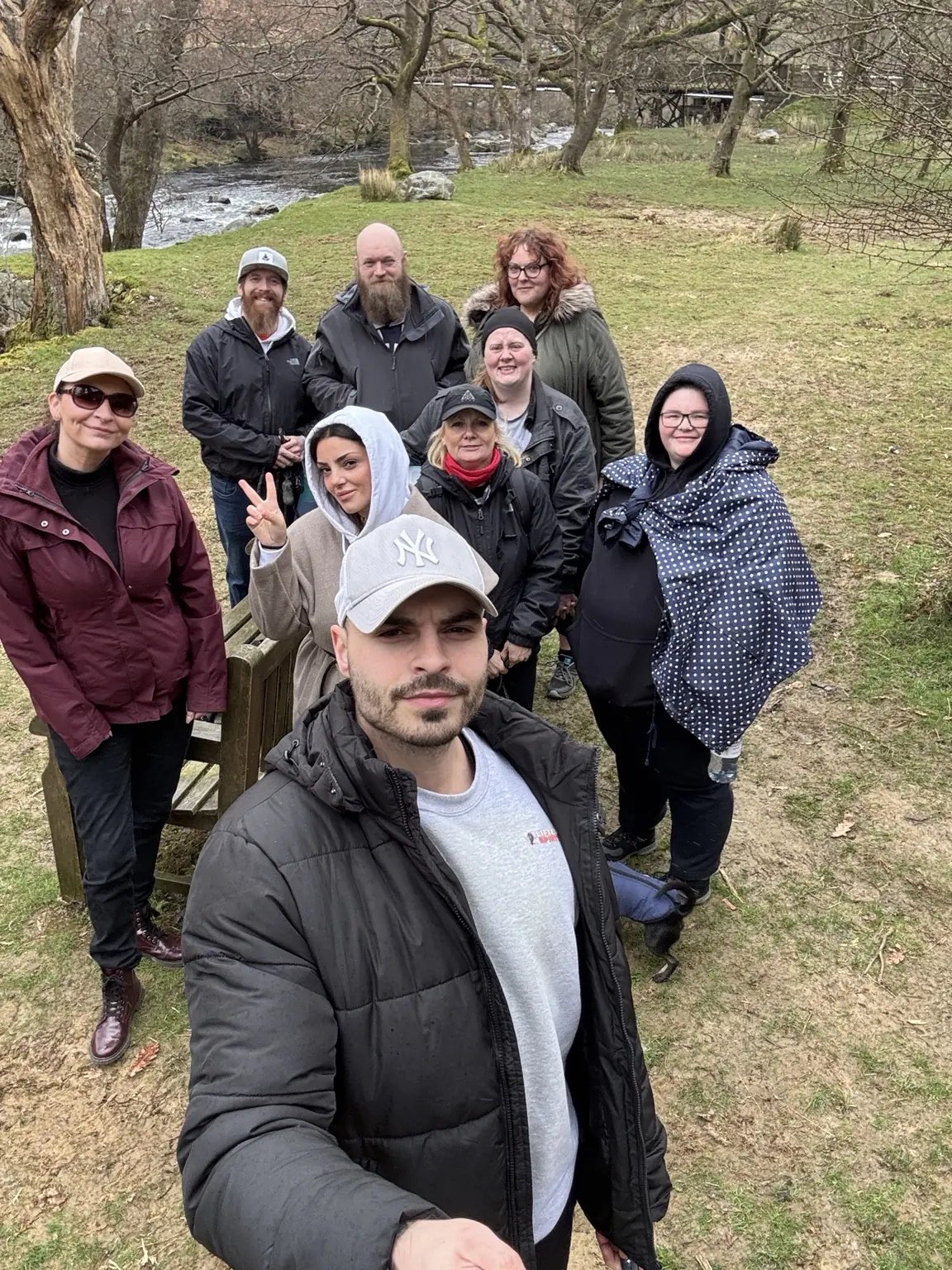
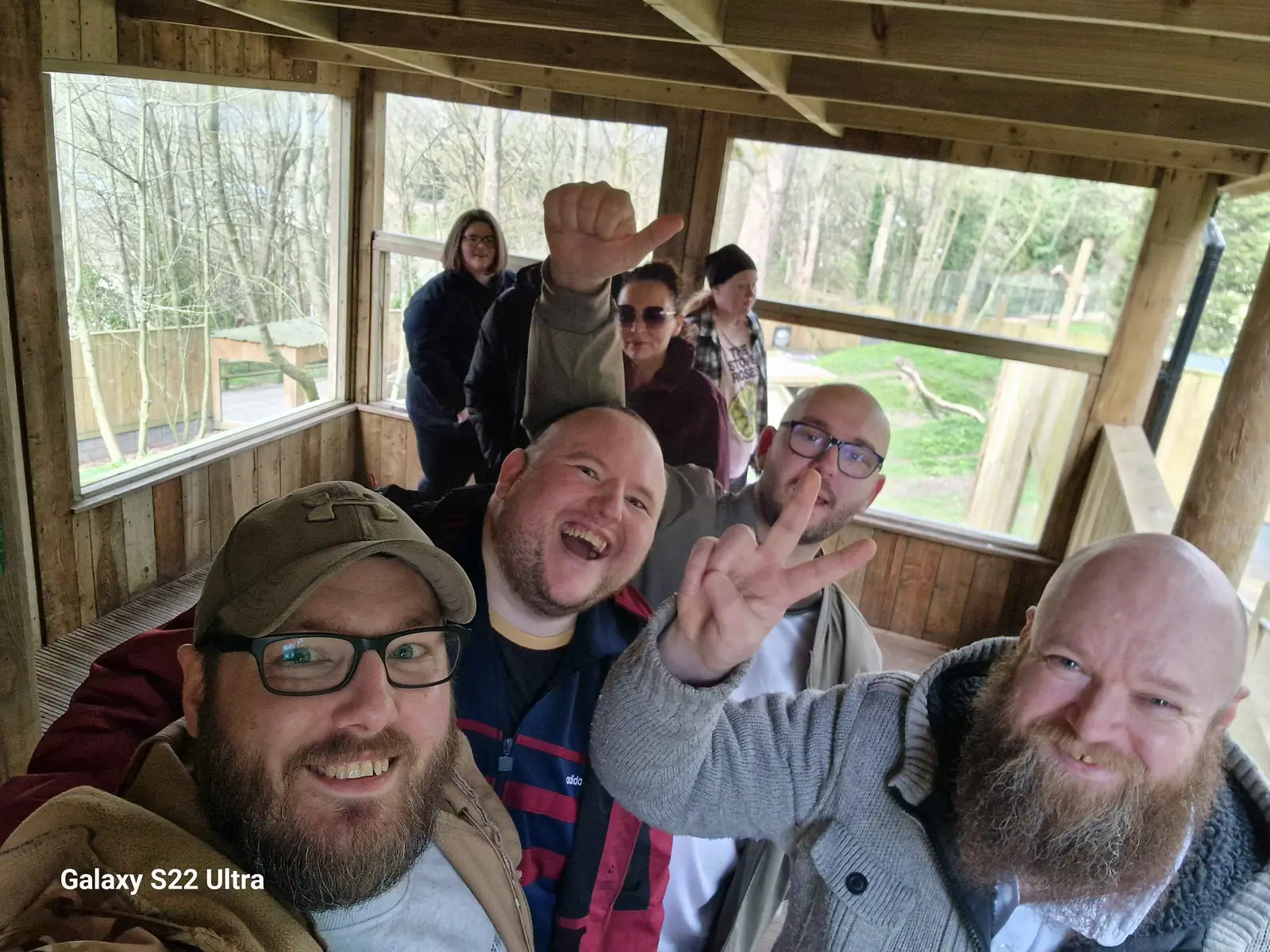
The wider Lifted Spirits meet-up archive shows many different social formats. The common goal is giving adults a reason to spend time together, not forcing every event into the same activity template.

04

Portable, low-friction games fit community days better than giant setups.

Small card games and quick group games can come out during a cafe stop, an indoor evening or a rainy part of a trip without taking over the whole plan.

That is where games such as Dobble, UNO, Codenames or Herd Mentality can make sense later as affiliate recommendations: not because members need to buy them, but because they solve a real social-format problem cheaply.

Important distinction

Nobody should have to reveal something personal or perform to earn a place in the group.

Keep games optional, explain the rules simply and let people join the wider conversation even if they do not want to play.

Read our community and safety terms

Common questions

Useful answers before you move on.

What makes a good game for people who do not know each other?

Quick rules, short rounds, low embarrassment and enough shared focus that conversation does not have to carry the whole room.

Are icebreakers necessary at adult meet-ups?

No. A shared activity, walk, attraction or ordinary conversation may already do the job. Use a game only when it helps the format rather than because every event is expected to have one.

Should games be competitive at a friendship meet-up?

Light competition can be fun, but it should not dominate the atmosphere. Choose something where losing a round does not exclude people from the social part of the event.

Start at your own pace

The game should make talking easier, not become another test people have to pass.

Join Lifted Spirits free and find community plans built around shared experiences rather than forced networking.

Create your free account