
Anxiety · practical problem guide

The call might take two minutes, but anxiety can spend an hour preparing for every sentence.

Phone calls remove some of the cues you get face to face and demand a response in real time. That can make even simple calls feel exposed. The goal is not to write a perfect script that controls the conversation. It is to prepare only the information you need, make the call and let normal pauses, questions and imperfect wording happen.

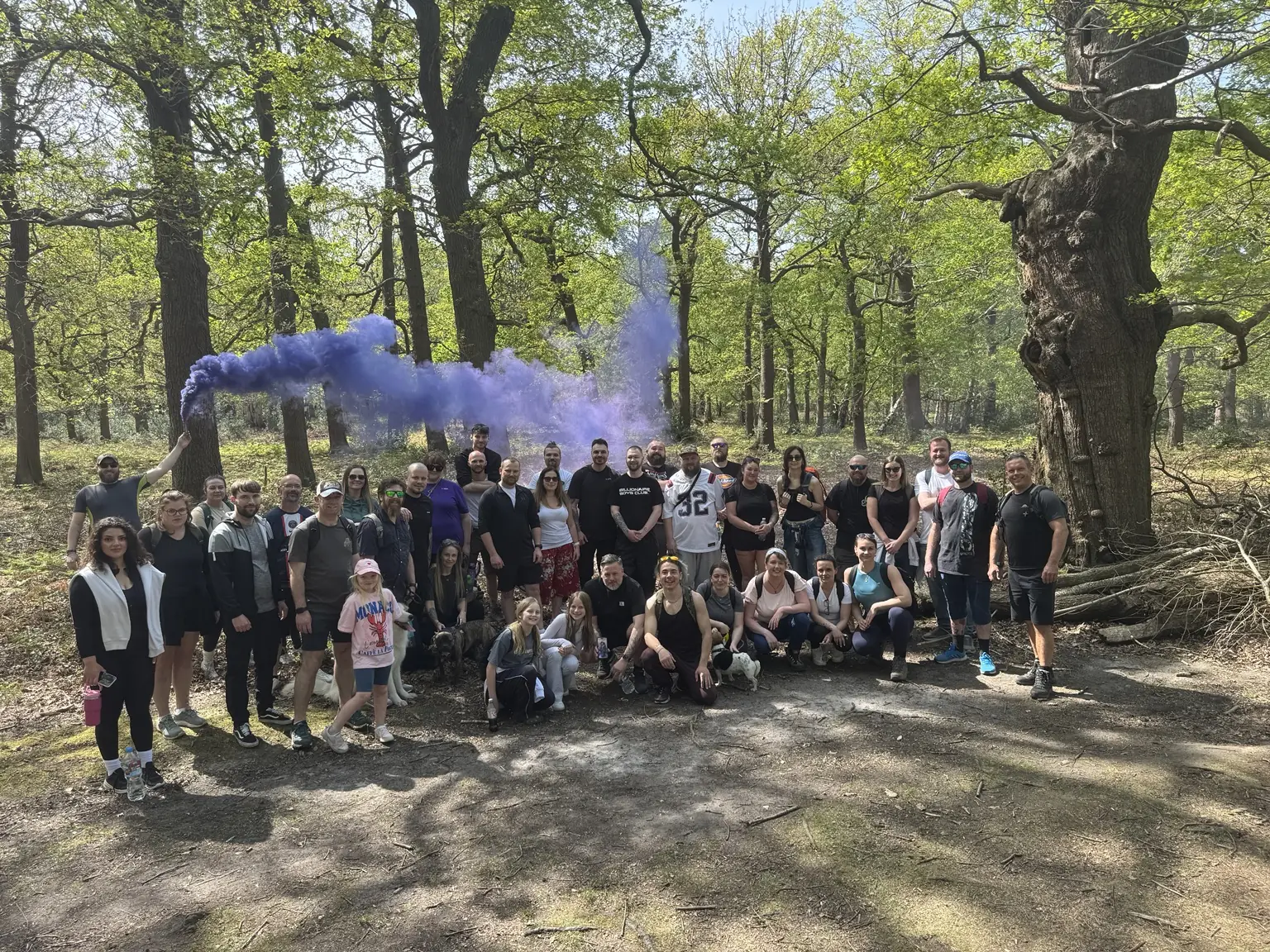
Real Lifted Spirits community members connecting in person
Lifted Spirits combines online community, shared interests and real-world connection. Public editorial imagery uses real community photography where it fits rather than staged or generated meet-up scenes.
Three linesPrepare only the essentials
CallRehearsal ends when action starts
RepeatFamiliarity comes from doing
01

Prepare the purpose, not every possible branch of the conversation.

Write three things: who you are, why you are calling and what outcome you need. For example: 'Hi, I'm Ryan. I'm calling about my appointment on Tuesday. I need to ask whether the time can be changed.' That is enough to start.

If you try to script every response, the script grows until the call feels even more complicated. Let the other person ask questions. You only need the information required to answer them, not a performance.

02

Choose a call time instead of carrying the call as an open task all day.

An avoided call can occupy more attention than the call itself. Pick a specific time or a trigger such as 'after breakfast' and keep the number ready. This reduces the repeated decision about whether now is the moment.

If the service has opening hours, check them once. Avoid repeatedly checking the website, reviews or every possible alternative before making a routine call.

03

Allow yourself one ordinary sentence when your mind goes blank.

You can say 'Sorry, give me a second, I wrote this down' or 'I'm a bit nervous on the phone'. A pause is not a failed call. Most everyday calls are functional exchanges, not evaluations of how naturally you speak.

If you lose your place, return to the outcome you wrote down. What do you need by the end of the call? That question is more useful than whether every sentence sounded confident.

04

Reduce avoidance gradually if phone calls are becoming impossible.

Start with lower-stakes calls when possible: checking opening hours, booking something straightforward or calling a person you know. Repetition can make the format more familiar without requiring you to begin with the hardest conversation on your list.

Anxiety guidance commonly recommends breaking difficult situations into smaller steps rather than avoiding everything or forcing the most intense exposure immediately. If anxiety is severe, professional support can help you build an appropriate plan.

05

A small notebook can hold the script without becoming a promise of certainty.

Writing the purpose and key details down can reduce the working-memory load during the call. That is the product's entire job. It cannot make the other person respond exactly as expected and it does not treat phone anxiety.

After the call, note what actually happened rather than only how anxious you felt. Evidence from completed calls can be more useful than another hour of predicting future ones.

06

If phone anxiety blocks healthcare, work or essential tasks, get support.

If anxiety regularly stops you making necessary calls, affects work or prevents you accessing healthcare and services, speak to a qualified professional. You deserve support that addresses the underlying anxiety rather than having your life organised around avoiding calls.

Lifted Spirits can provide peer encouragement and somewhere to practise ordinary conversation, but it is not therapy and does not replace professional care.

OPTIONAL PRACTICAL SUPPORT

A practical tool for one part of this problem

These are optional aids for routines, reflection or a specific practical barrier. They are not treatments for anxiety and they do not replace professional care.
Black Moleskine Classic large notebook
AFFILIATE RECOMMENDATION

Moleskine Classic Notebook, Large

Recommended because it matches this page's specific problem, not because buying something is a substitute for support, professional care or doing the underlying work.

See product on Amazon

Affiliate disclosure: these product links are paid affiliate links. As an Amazon Associate I earn from qualifying purchases. Recommendations are editorial choices and do not guarantee a particular outcome.

Important distinction

Peer support, books and products are not anxiety treatment.

These guides can help you understand patterns, try practical steps and feel less alone. They do not diagnose or treat anxiety. If anxiety is persistent, overwhelming, causing physical symptoms you are worried about or significantly affecting daily life, use professional support through the NHS, your GP or another qualified healthcare professional.

Read our community and safety terms

Common questions

Useful answers before you move on.

Why do phone calls make me anxious?

Phone calls can feel difficult for different reasons, including real-time pressure, uncertainty and fear of judgement. If the anxiety is persistent or significantly affects daily life, professional support can help you understand your specific pattern.

Is using a script bad for phone anxiety?

A short script can be useful if it helps you make the call. It becomes less useful when you feel unable to call unless every possible response has been prepared in advance.

What should I write before a phone call?

Usually three things are enough: who you are, why you are calling and what outcome or question you need addressed. Add any reference number or factual detail you may need.

Start at your own pace

A two-minute call should not have to become a two-hour private battle first.

Join Lifted Spirits free for lower-pressure conversation, peer encouragement and somewhere to talk about the small everyday tasks anxiety makes unexpectedly difficult.

Create your free account