
Anxiety · practical problem guide

The conversation has not happened yet, but you have already had it twenty times in your head.

Preparation is useful when it clarifies what you need to say. Over-rehearsal becomes a problem when you are trying to control another person's exact words, tone and reaction before they exist. A real conversation will always contain information your rehearsal cannot predict.

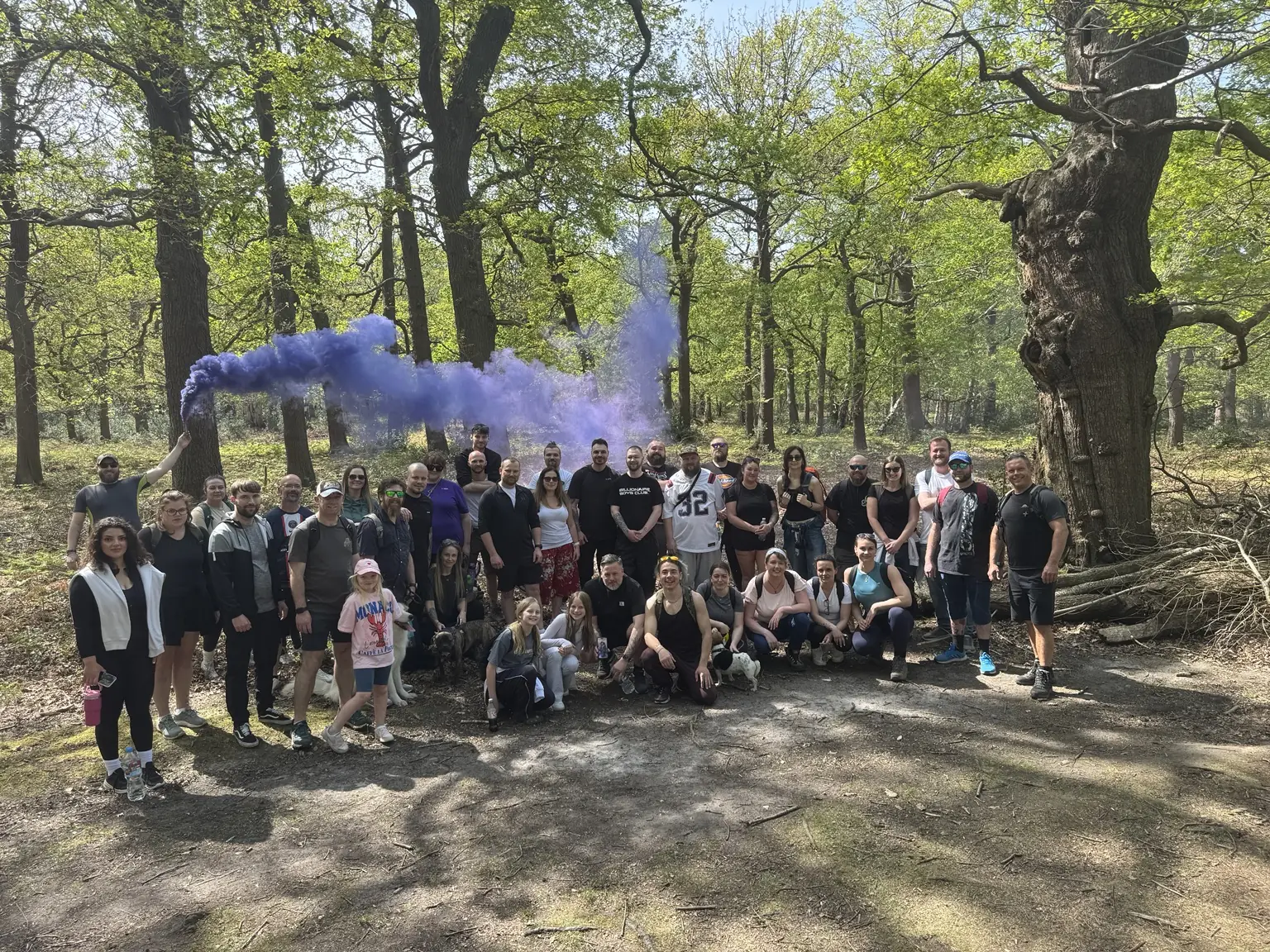
Real Lifted Spirits community members connecting in person
Lifted Spirits combines online community, shared interests and real-world connection. Public editorial imagery uses real community photography where it fits rather than staged or generated meet-up scenes.
PurposeKnow what you actually need to say
Three pointsPrepare structure, not a script
UnscriptedLeave room for the other person
01

Preparation answers 'what matters?' Rehearsal tries to answer 'what will happen?'.

Write the purpose of the conversation in one sentence. Maybe you need to set a boundary, ask for clarity, apologise, raise a work problem or tell somebody how you feel. That is preparation.

If you are now scripting twelve possible versions of their response and your response to each one, you have moved from preparation into prediction. Anxiety loves prediction because it creates the feeling of control without producing new evidence.

02

Prepare three points and one boundary instead of a speech.

Choose the three things the other person genuinely needs to understand. Then decide one boundary for yourself: I will not shout, I will pause if we become insulting, I will not agree immediately to something I need time to consider.

A short structure survives a real conversation better than a memorised script because you can listen and still return to what matters.

03

Stop rehearsing the other person's lines.

You can think about likely concerns, but you cannot accurately generate somebody else's internal state. When you practise their anger, rejection or criticism repeatedly, your body can start reacting to an event that has not happened.

NHS guidance recognises worrying about the future as part of anxiety. When future rehearsal becomes the main activity, bring attention back to what you can control: timing, location, your words and whether you need support afterwards.

04

Give preparation a finish time.

Set fifteen or twenty minutes to make notes, then stop. If a genuinely new point appears later, add one line. Do not restart the entire conversation from the beginning each time your mind offers another possible outcome.

A small notebook can help because the key points stay outside your head. The product is optional; the useful mechanism is having a finite written plan.

05

If you are afraid of judgement, practise tolerating an imperfect reaction.

A successful conversation is not one where the other person responds exactly as you hoped. Sometimes success is saying something clearly, listening properly and leaving with your values intact even when the outcome is uncomfortable.

If fear of social judgement is the main problem across many situations, our social-anxiety guides go deeper into that specific pattern rather than treating every conversation as a communication-skills issue.

06

Get support if anticipatory anxiety is making important conversations impossible.

If you avoid necessary conversations, experience panic or spend large amounts of time rehearsing social situations, professional support can help you work on the underlying anxiety rather than endlessly refining scripts.

Lifted Spirits can provide peer connection and a place to talk through what is happening, while diagnosis and treatment remain with qualified professionals.

OPTIONAL PRACTICAL SUPPORT

A practical tool for one part of this problem

These are optional aids for routines, reflection or a specific practical barrier. They are not treatments for anxiety and they do not replace professional care.
Black Moleskine Classic large notebook
AFFILIATE RECOMMENDATION

Moleskine Classic Notebook, Large

Recommended because it matches this page's specific problem, not because buying something is a substitute for support, professional care or doing the underlying work.

See product on Amazon

Affiliate disclosure: these product links are paid affiliate links. As an Amazon Associate I earn from qualifying purchases. Recommendations are editorial choices and do not guarantee a particular outcome.

Important distinction

Peer support, books and products are not anxiety treatment.

These guides can help you understand patterns, try practical steps and feel less alone. They do not diagnose or treat anxiety. If anxiety is persistent, overwhelming, causing physical symptoms you are worried about or significantly affecting daily life, use professional support through the NHS, your GP or another qualified healthcare professional.

Read our community and safety terms

Common questions

Useful answers before you move on.

Why do I rehearse conversations in my head so much?

Rehearsal can feel like preparation and control, especially when you fear conflict, rejection or judgement. It becomes less useful when you keep repeating imagined outcomes instead of clarifying the few things you can actually control.

How do I prepare for a difficult conversation without overthinking?

Write the purpose, three key points and any boundary you need. Give preparation a time limit and avoid scripting the other person's exact response.

What if I forget what I wanted to say?

It is fine to take brief notes into an important conversation or pause and say you need a moment. Clear communication does not require delivering a perfect speech from memory.

Start at your own pace

Real conversations are allowed to be unscripted.

Join Lifted Spirits free for peer support and lower-pressure conversation with adults who do not need you to have the perfect words ready before you show up.

Create your free account