

Regular groups are usually more useful than one-off events.
A single event can be fun, but friendship needs another reason to speak afterwards. Weekly or monthly groups make the second conversation much easier because you already know you will probably see the same people again.
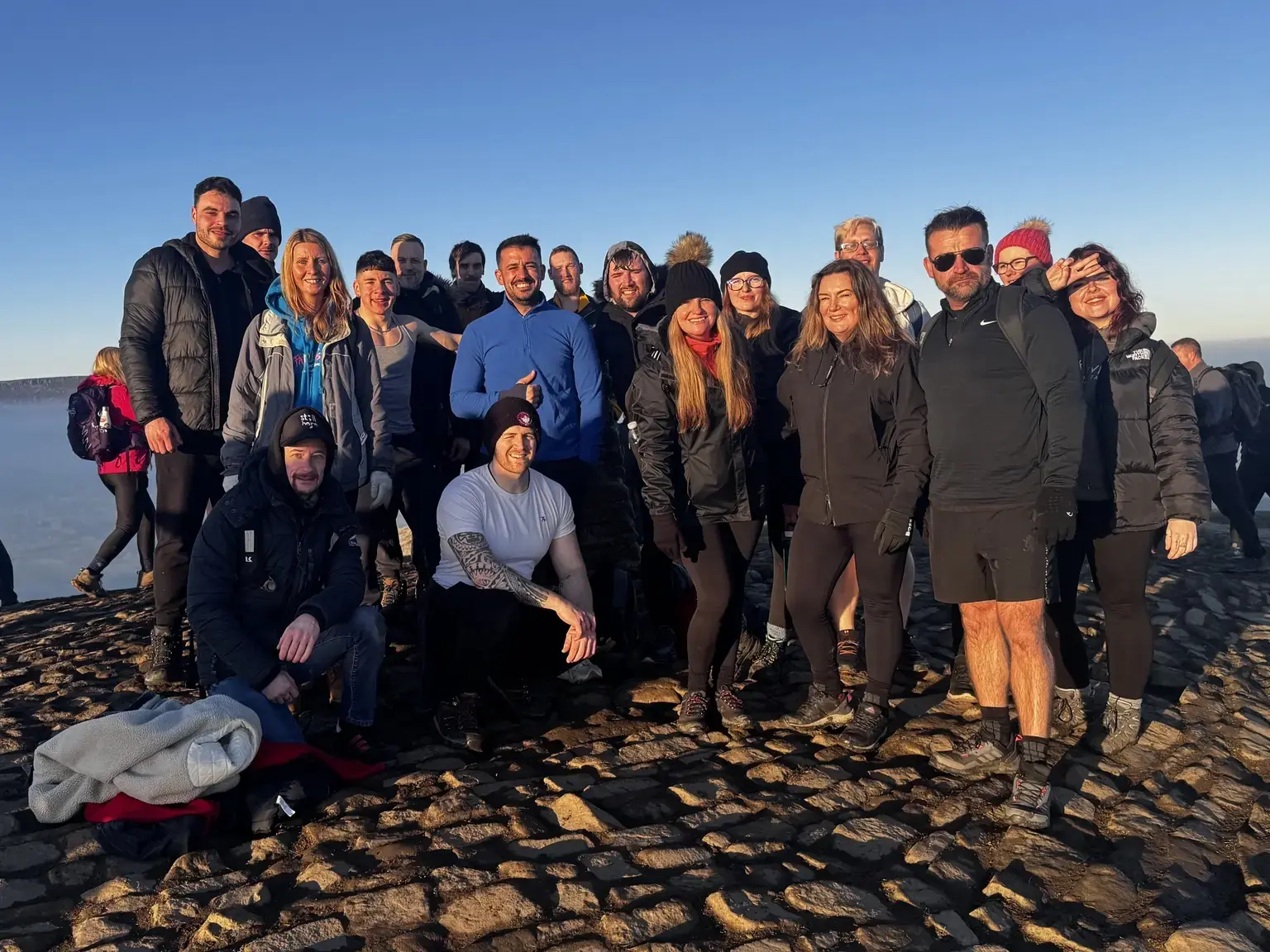
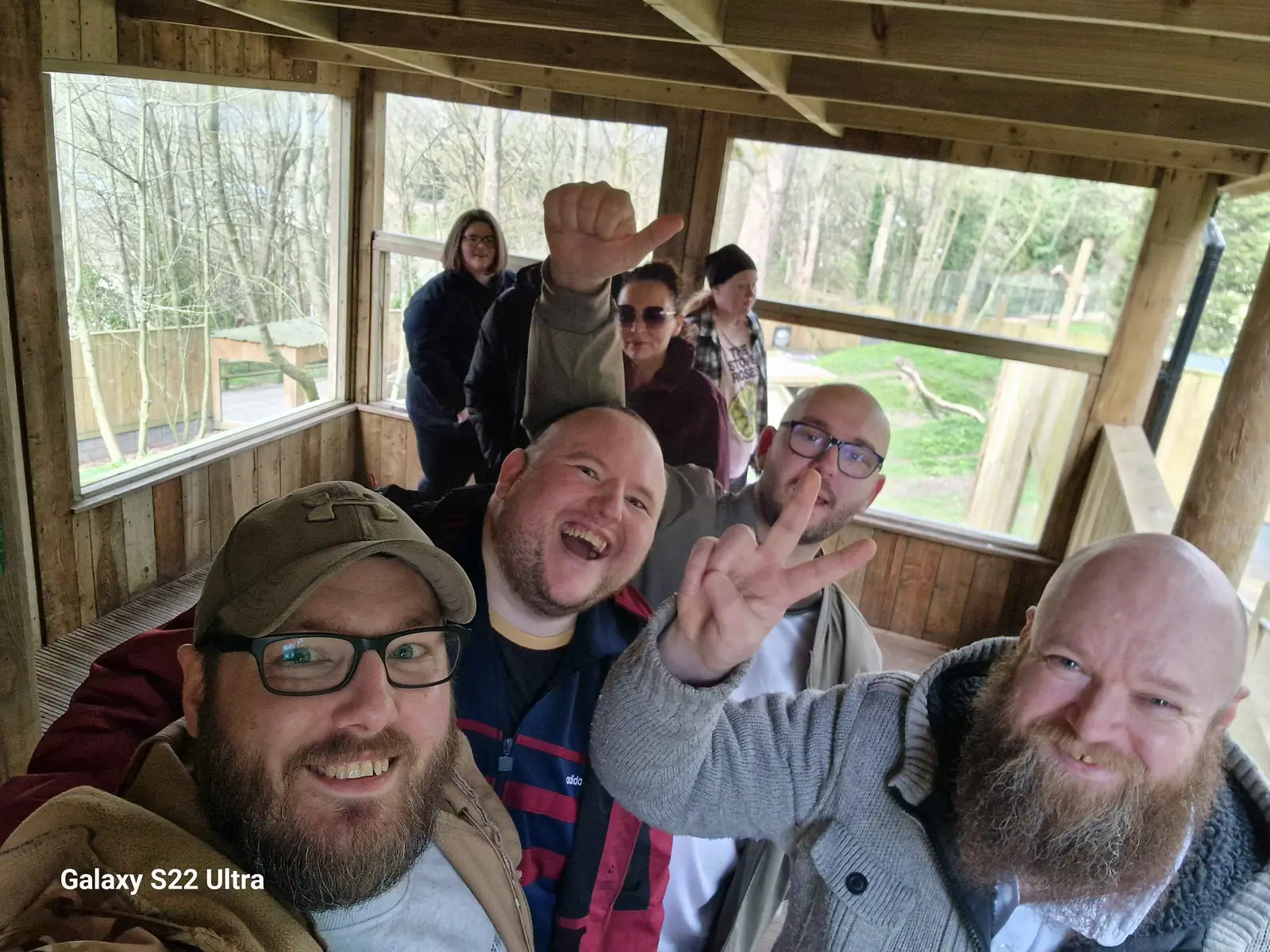
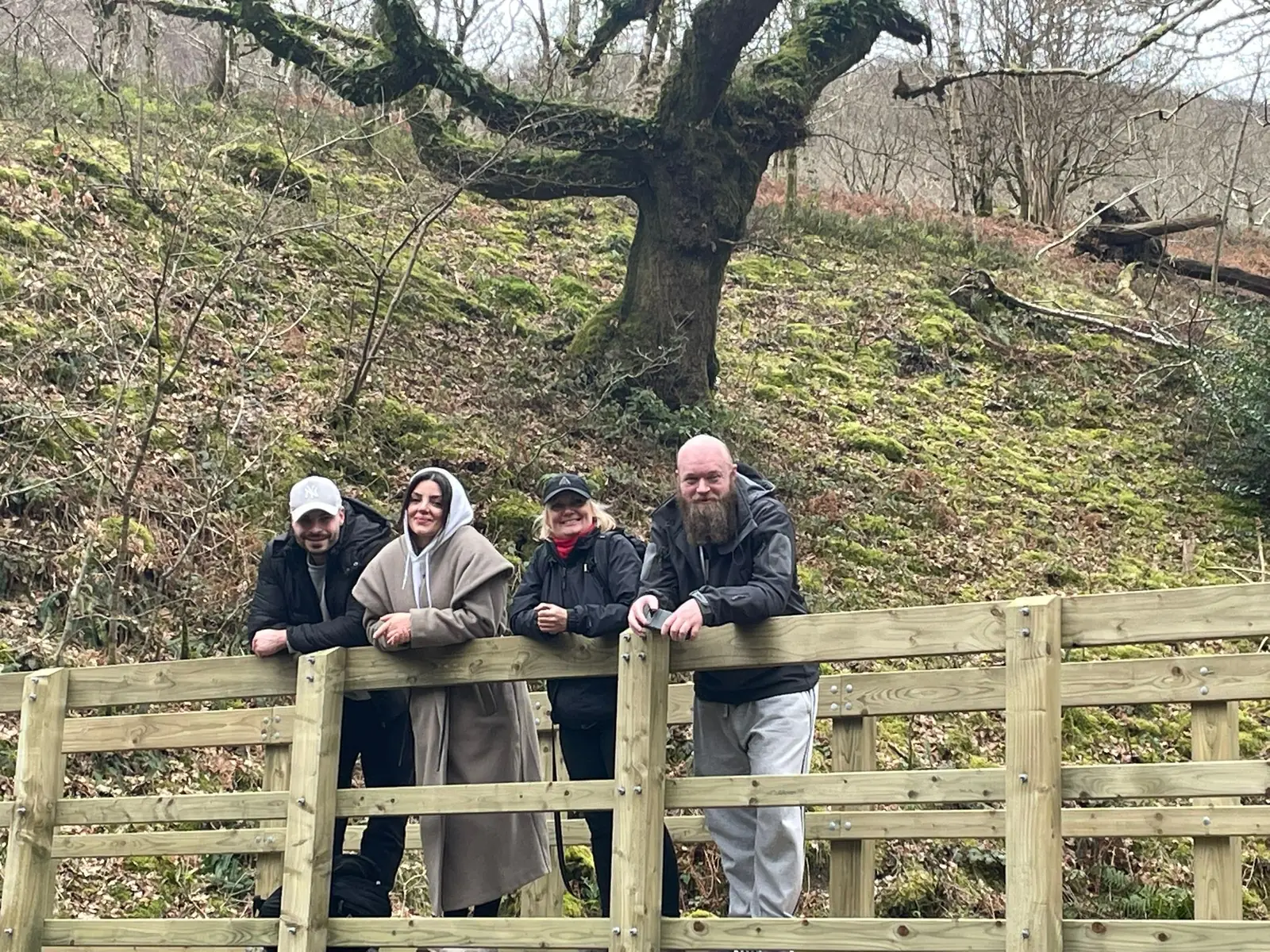
That could be a walking group, book club, running club, board-game night, community class, hobby group or any other activity you would genuinely be willing to repeat. The activity gives everybody something to do while familiarity builds in the background.
- Walking and outdoor groups
- Book, film or board-game clubs
- Fitness classes and run clubs
- Creative workshops and evening classes
- Community projects and local groups
- Regular social clubs rather than one-off mixers
Shared-interest communities remove some of the small-talk pressure.
It is easier to start a conversation when there is already a reason for both of you to be there. A shared game, hobby, sport, interest or life stage gives you something more natural to talk about than trying to manufacture instant chemistry with a stranger.
You do not need every interest to match. One genuine point in common is often enough to make a first conversation feel less random and create a reason for another one.
Volunteering can give you both a task and repeated contact.
Volunteering is useful for people who dislike events built entirely around 'meeting new people'. You already have something practical to do, which takes some of the spotlight off the social side.
Look for roles you can attend more than once rather than a single volunteering day. Repeated shifts, community projects, charity shops, local events or environmental groups can make conversation feel more normal over time.
Online communities can be a first step instead of the final destination.
Online friendship is real friendship, but it can also make local connection easier. A community lets you recognise names, understand who you have things in common with and talk before deciding whether you want to join an activity in person.
This can suit adults who are shy, newly single, new to an area or simply not comfortable walking into a room where everybody appears to know each other already.
- Make friends online as an adult
- See weekly online community events
- Recognise a few names before meeting
- Use shared interests as a starting point
- Keep in touch between real-life plans
Use a city-specific route when local friendship matters.
The useful question changes when you want people close enough for regular plans. A city page should tell you what Lifted can genuinely offer there now, connect you to relevant activity and avoid pretending every city has the same local footprint.
Lifted Spirits currently publishes manually approved friendship pages only where there is enough useful city-specific context to justify them. Start with the city closest to you, then use the wider online community when no local plan suits your timing.
Gaming can turn a shared activity into repeated friendship.
Gaming works well as a social starting point because there is already something to do together. Conversation does not need to carry the whole interaction, and playing again creates an obvious second plan.
The useful part is finding people whose games, schedule and way of playing actually fit yours rather than joining another huge server and hoping the right person appears by chance.
Do not ignore the people already on the edge of your social circle.
Adult friendship does not always begin with a completely new stranger. A colleague you occasionally get on with, somebody from the gym, another parent, an old friend you lost touch with or a person you regularly see at the same place can already have some familiarity built in.
A simple specific plan works better than 'we should do something sometime'. Coffee after work, a walk, watching a match, joining the same class or going to an event gives the connection somewhere to go next.
Community meet-ups work best when they connect to something wider.
A meet-up is easier to turn into friendship when the people do not disappear from each other's lives afterwards. A wider community, recurring group or shared activity gives you a place to keep talking and another reason to meet again.
Lifted Spirits uses this online-first approach: adults can get familiar through the community, shared experiences and interests before choosing real-life plans around the UK when location and timing line up.