
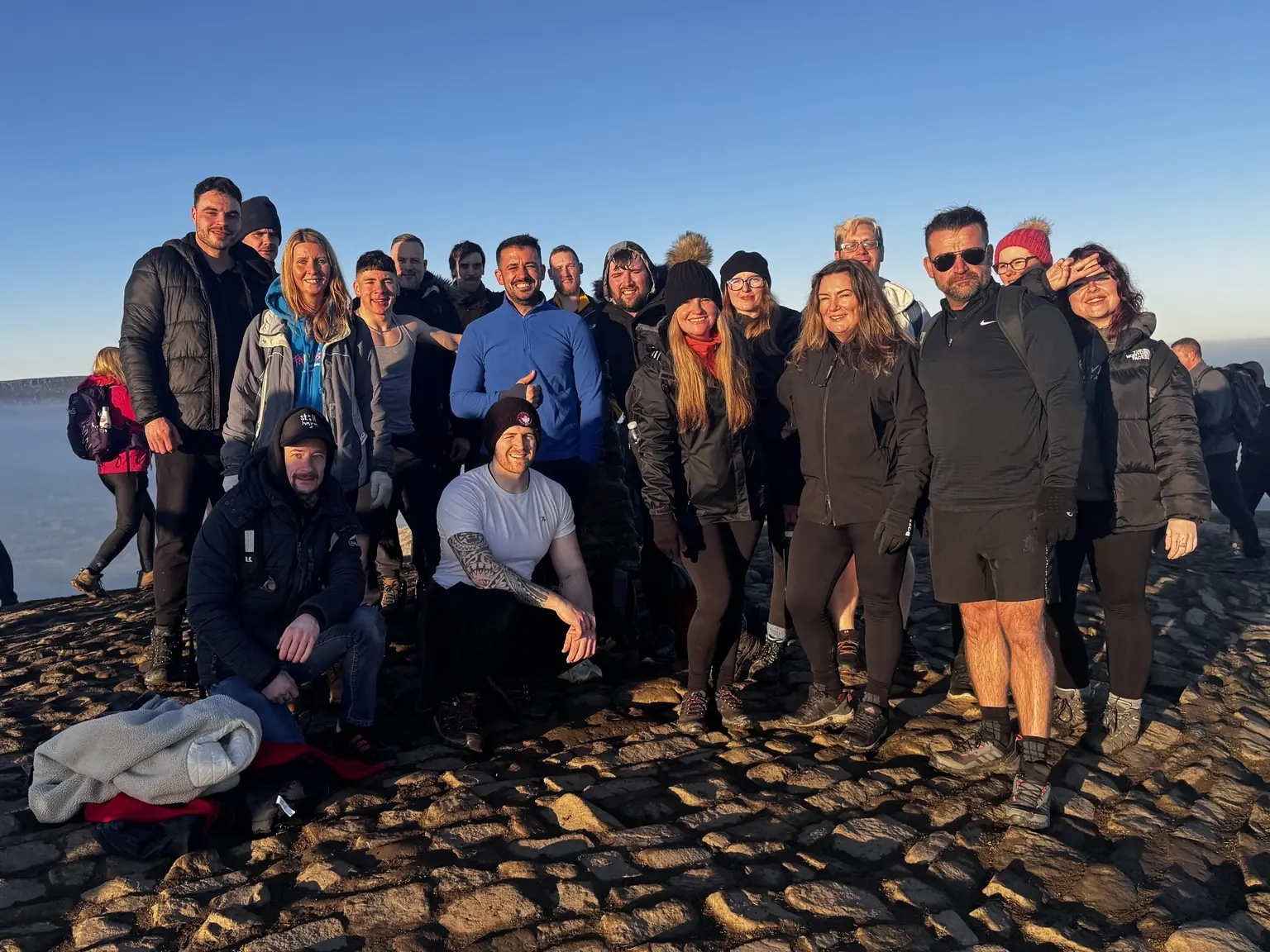
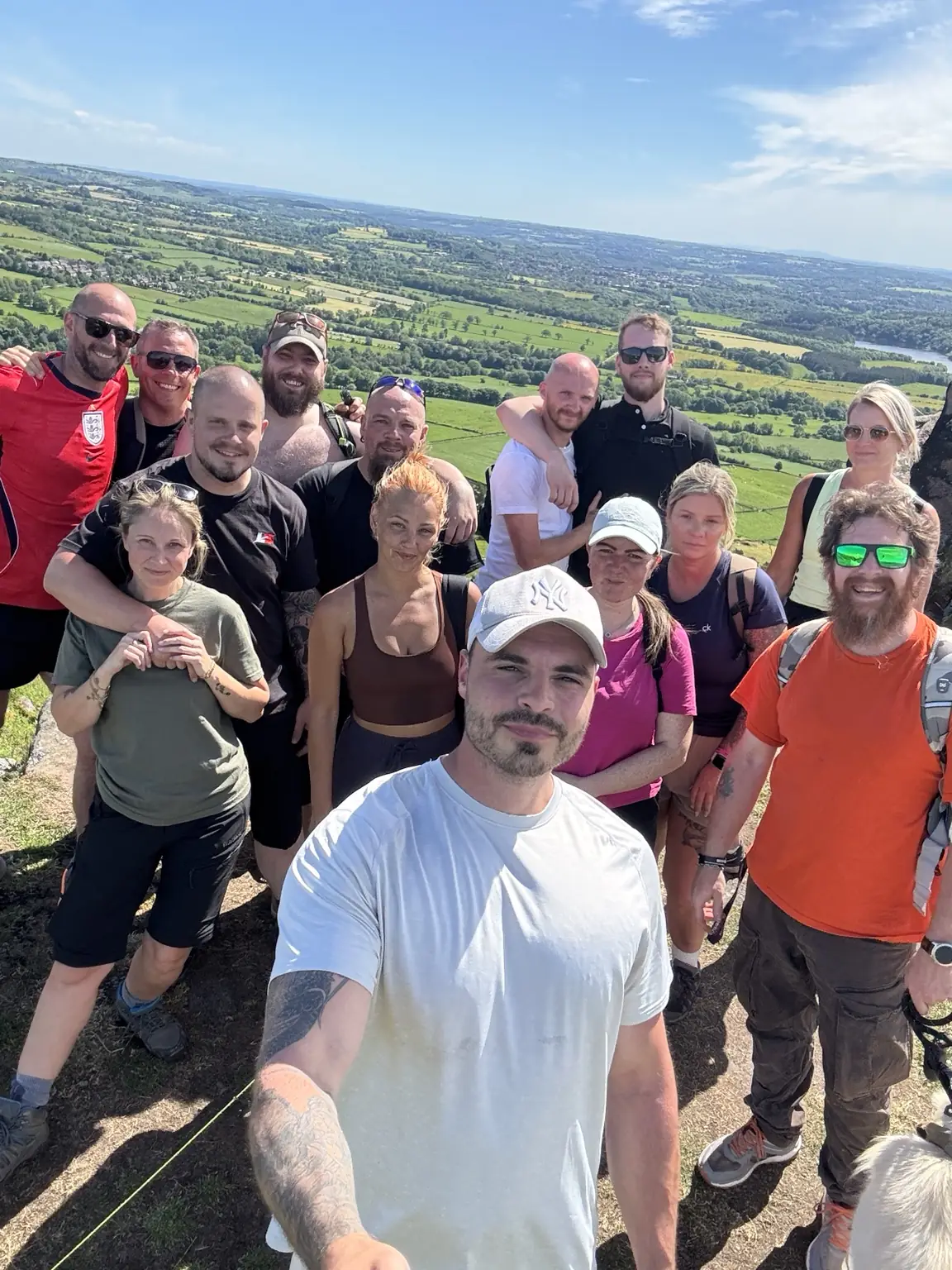
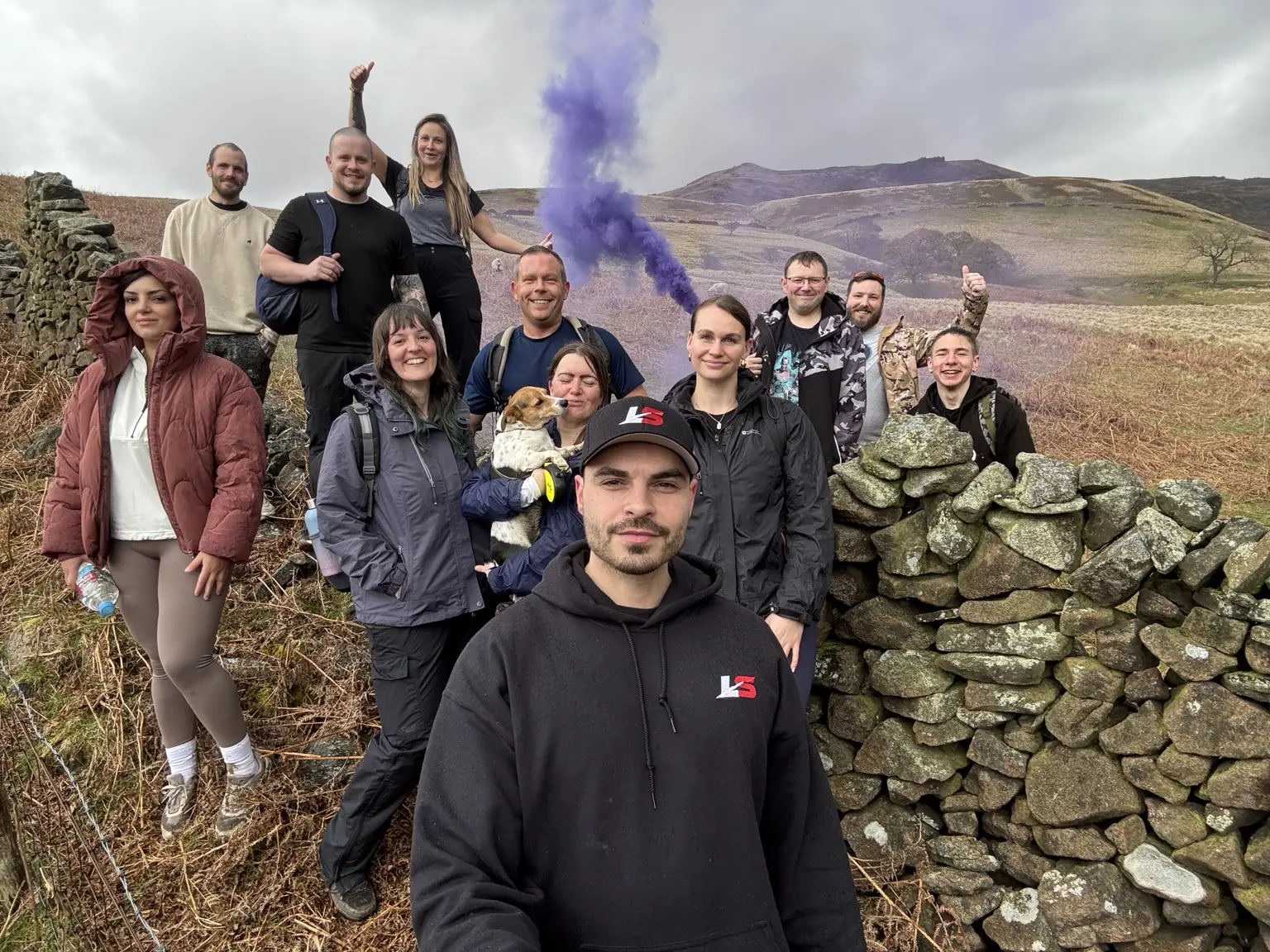
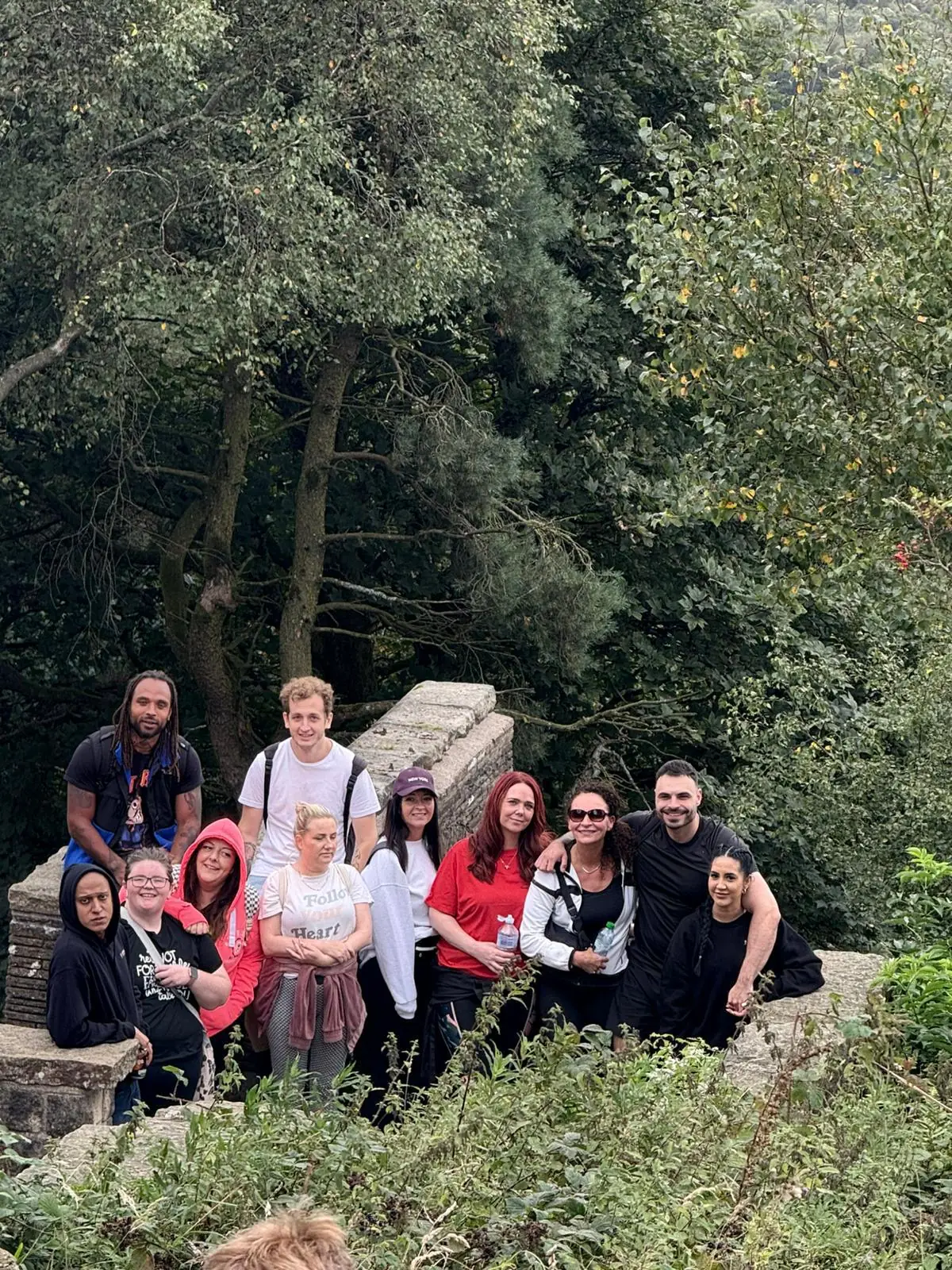
Start with the person beside you, not the whole group.
Trying to connect with twenty people at once is exhausting. On a walk, you only need to talk to whoever happens to be near you. Pace changes naturally, so you often end up with several small conversations without deliberately working the room.
That makes hiking a useful social format for people who do better one-to-one or in small clusters.
Use easy questions that belong to the day.
You do not need an opening line. Ask whether somebody has done the route before, how they found the community, what other walks they like or whether they travelled far. The surroundings give you enough material without turning the chat into an interview.
If a conversation goes quiet, you can just keep walking. That is one of the biggest advantages of an activity-led group.
The follow-up is where a hiking acquaintance can become a friend.
After the walk, recognise the person again online, reply to something they post or join another plan. Friendship usually grows through a chain of small interactions rather than one perfect conversation.
A community that exists between hikes gives you somewhere for that chain to continue.