
Distance is only one part of difficulty.
A flatter woodland route can be longer while still feeling easier than a shorter route with repeated climbing or awkward ground. Treat the mileage as one input rather than the score for the whole day.
Current route descriptions should also explain terrain and elevation where those details materially affect whether the event is suitable.
Pace matters because a social walk is still a moving group.
Two events can use the same route and feel completely different if one group stops often and another keeps a steady pace. If pace information is available, use it. If you are unsure, ask before attending rather than hoping the group will adapt around you after the start.
Choosing an easier first route is not failing a test. It gives you more attention left for the social part of the day.
Weather can move a route up or down a difficulty level.
Heat, wind, persistent rain and wet ground can change how tiring or technical a familiar route feels. That is why current event guidance beats a cached article or a photograph from a different day.
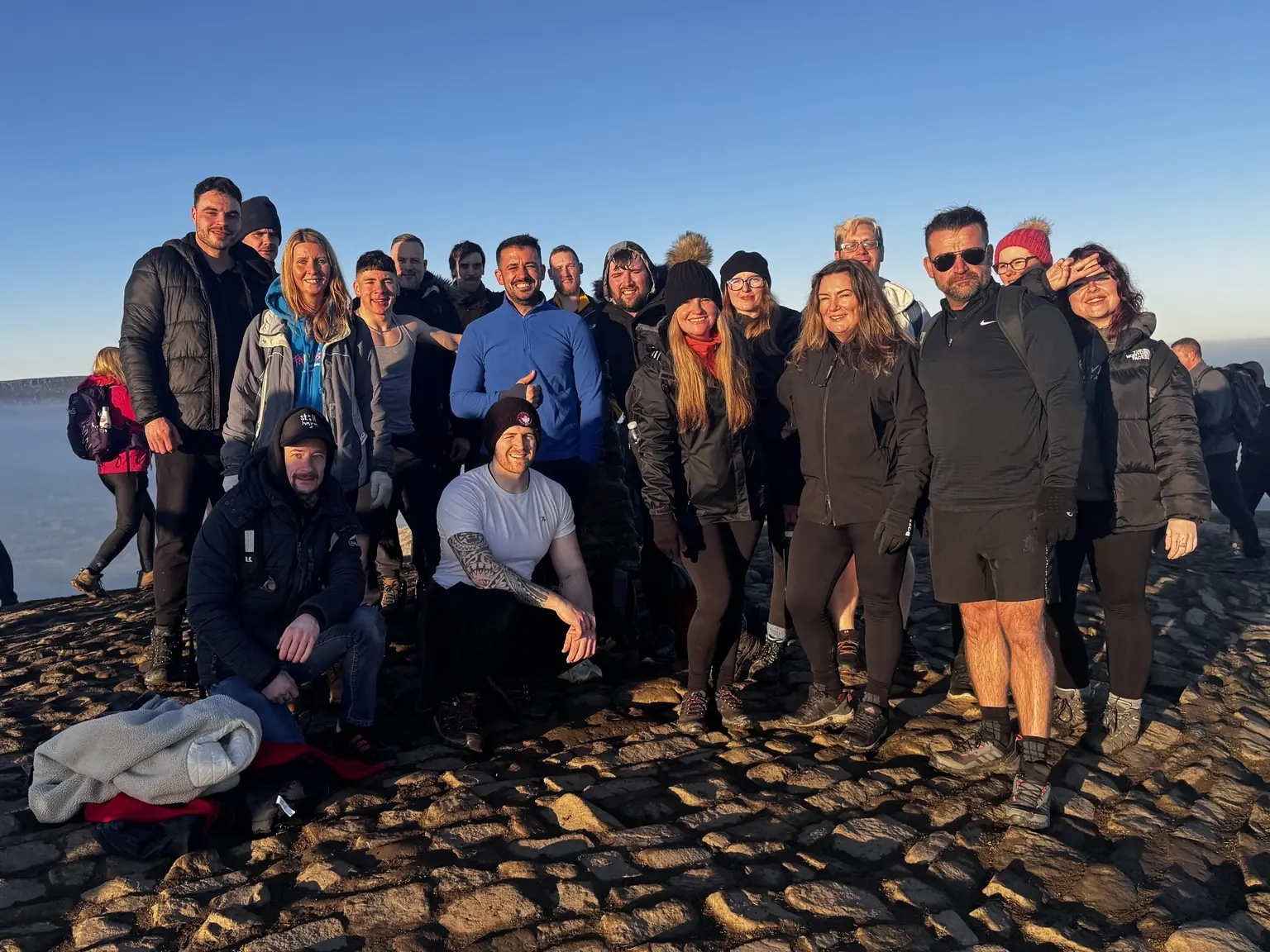
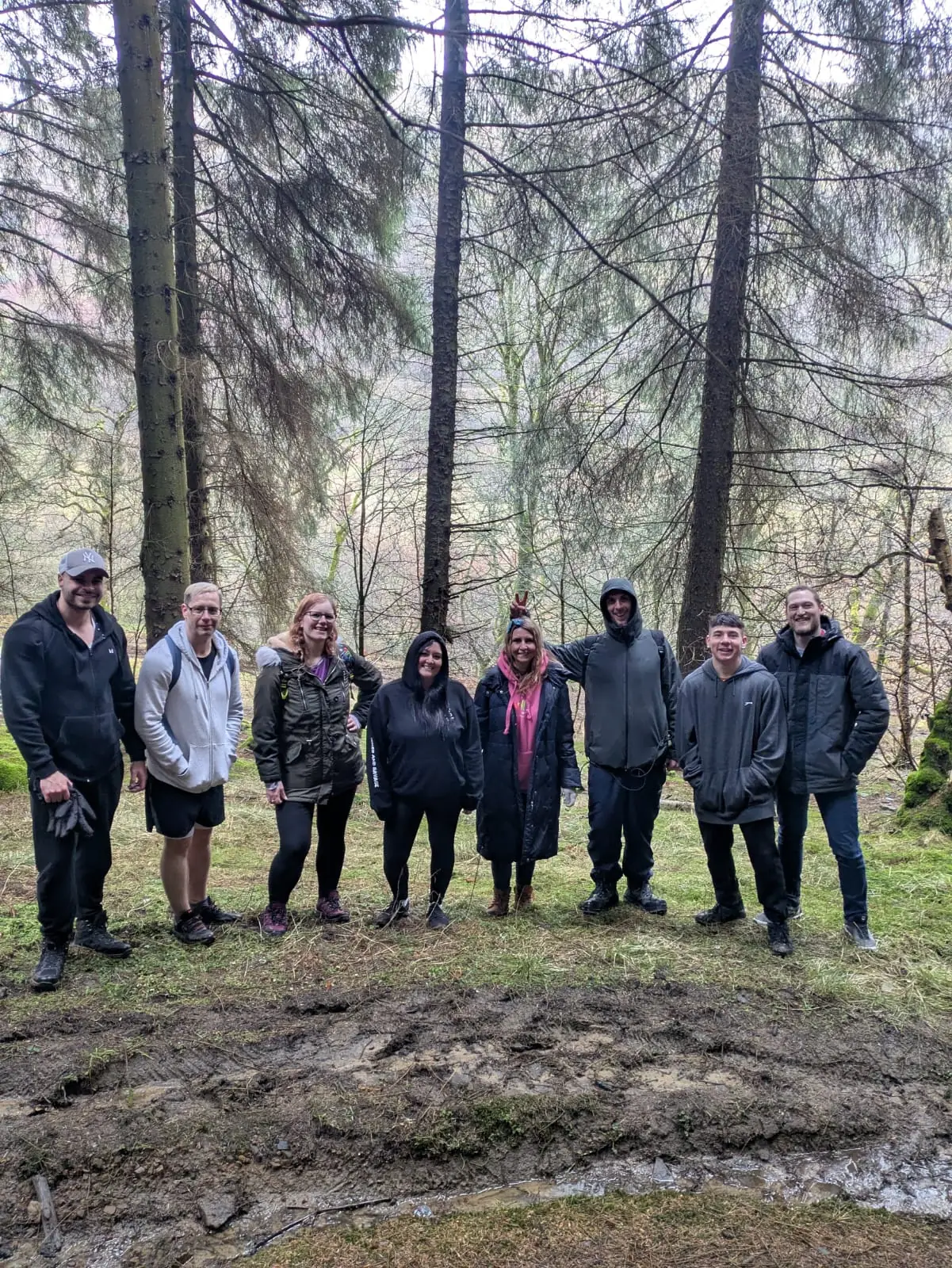
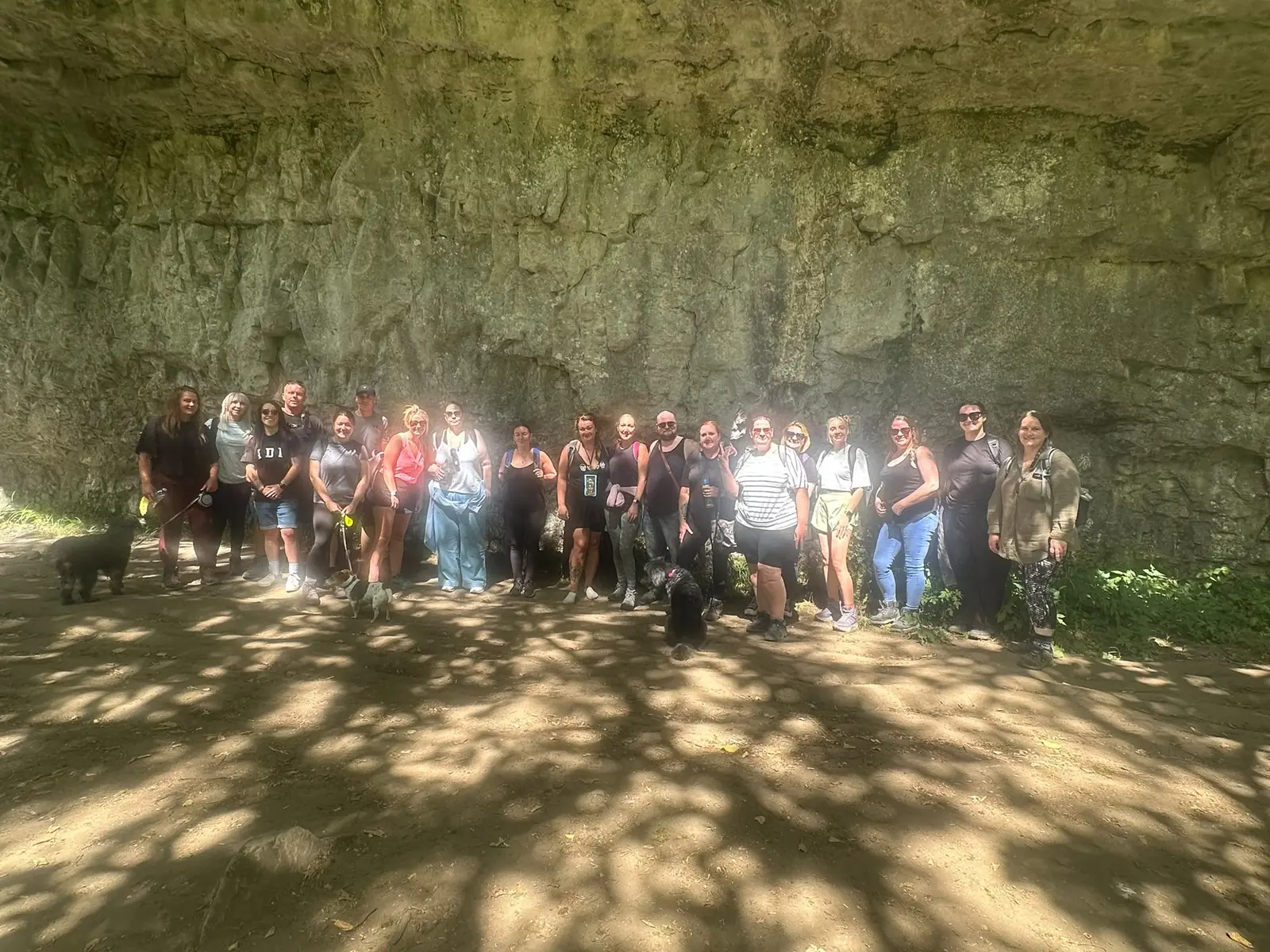
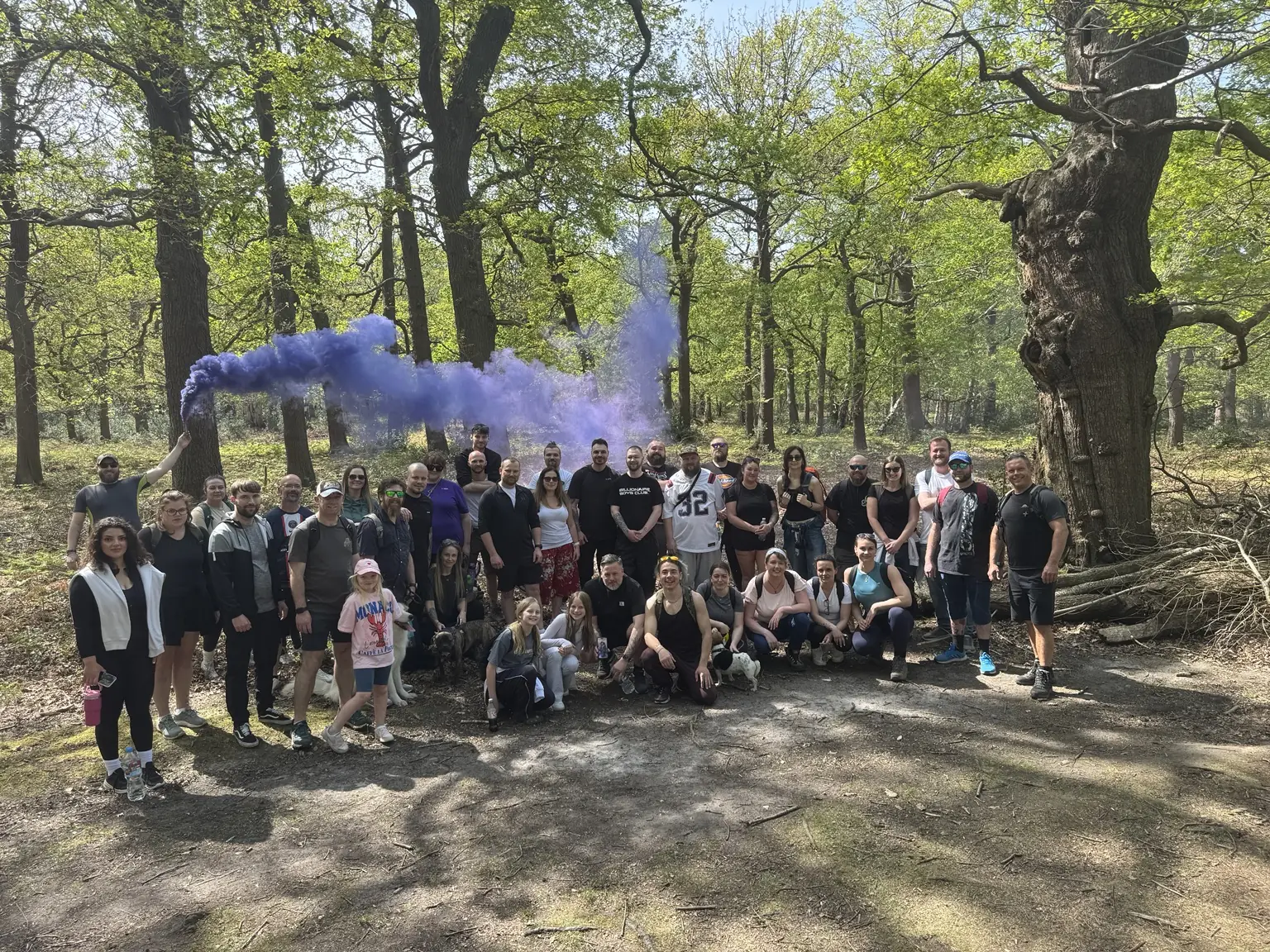
Use the real archive as proof of the settings Lifted Spirits has visited, then use the current plan for the decision you are making now.